Best Birds Eye Chili Seeds for a Spicy Home Garden and Kitchen
Gardening for heat lovers starts with the right birds eye chili seeds. These compact, high‑yield varieties bring fiery Thai peppers to patios, balconies, and outdoor beds, letting you harvest fresh pods for meals, sauces, and preservation. This guide highlights five top seeds, their growth traits, and how to choose the best option for your space and climate. Read on for practical planting timelines, germination tips, and a buying guide to compare options at a glance.
Product Summary
| Product | Brand | SHU | Pods / Pack | Notes |
|---|---|---|---|---|
| KVITER 75 Birds Eye Chili Pepper Seeds | KVITER | 50K-100K | One pack | High‑yield, compact bush; organic option |
| Thai Chili Pepper Seeds – Survival Garden Seeds (1 Pack) | SURVIVAL GARDEN SEEDS | 50K-100K | One pack | Grows well in containers |
| Thai Chili Pepper Seeds – Survival Garden Seeds (2 Packs) | SURVIVAL GARDEN SEEDS | 50K-100K | Two packs | Great for larger containers or raised beds |
| 2 OZ Fiery Farms African Birds Eye Dry Chili Pepper Pods | Fiery Farms | Not specified | Pods | Fruity, tangy peri peri profile |
| Bird’s Eyes Chili Pepper Seeds Red Hot Organic (25) | Generic | 50K-100K | One pack | Compact plants; suitable for indoor/outdoor growing |
KVITER 75 Birds Eye Chili Pepper Seeds
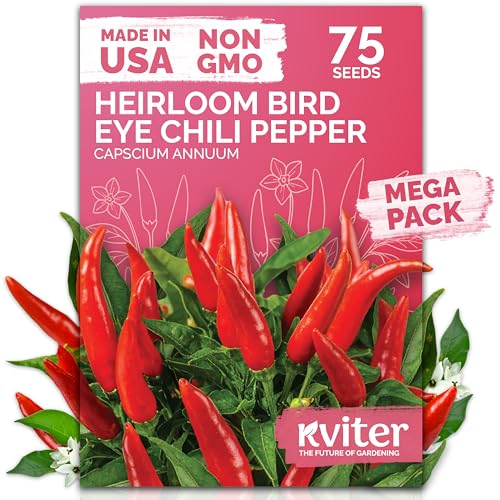
KVITER offers fiery germination power with seeds that sprout in 7–14 days at 75–85°F and achieve high germination rates up to 95%. The variety is described as compact and high‑yielding, with each bush capable of producing dozens to hundreds of peppers. Fruits ripen to red and provide hot heat levels from 50,000 to 100,000 SHU, making them ideal for sauces, salsas, and spicy dishes. The seeds are marketed for both outdoor beds and indoor pots, accommodating patio gardeners and urban growers alike.
Key considerations include seed viability, germination temperature, and plant size. If you plan a dense container garden, KVITER’s compact bush form helps maximize pepper production in limited space. For preservation, the peppers can be dried, powdered, or frozen. The organic and heirloom framing may appeal to gardeners prioritizing sustainability and flavor depth.
Thai Chili Pepper Seeds – Survival Garden Seeds (1 Pack)

Survival Garden Seeds markets a Thai chili pepper seed packet described as a spicy heirloom variety delivering 50,000–100,000 SHU. The plants are noted as compact, suitable for container gardens or raised beds, providing high yields in small spaces. Germination is expected within 7–14 days, allowing an early start indoors before frost. Transplanting after the last frost leads to a harvest window around 95–130 days, depending on growing conditions.
This option is aligned with gardeners seeking a sturdy, space-efficient pepper plant. The heirloom, non‑GMO framing may appeal to gardeners focusing on traditional flavors and reliability in home gardens. For culinary use, these peppers pair well with salsas, pickling, and pepper oils, offering consistent heat levels across harvests.
Thai Chili Pepper Seeds – Survival Garden Seeds (3 Packs)

This multi-pack option from Survival Garden Seeds extends the planting potential to three packs, enabling larger plantings or staggered harvests in containers or raised beds. The seeds share the same spicy profile—50K–100K SHU—with compact plants, making them well-suited for urban gardens or balcony setups. Germination time remains 7–14 days, and the crop cycle targets a 95–130 day harvest after transplanting post‑frost.
Gardeners weighing batch planting vs. staggered sowing may appreciate the flexibility of multiple packs. A larger seed quantity supports experiments with microclimates in different pots or beds, letting you compare sun exposure and watered regimes to maximize yield and pepper quality.
Fiery Farms African Birds Eye Dry Chili Pepper Pods

Fiery Farms presents an African Birds Eye dry chili pepper pod option with non‑GMO labeling, focusing on a distinctive fruity and tangy flavor profile. While the listing emphasizes dried pods or dried‑pepper uses, it also signals the culinary versatility of Birdseye peppers in marinades, sauces, and seasoning. The product helps cooks who prefer dried heat to fresh peppers, enabling longer storage and consistent heat distribution in recipes.
As a seed‑less or post‑harvest product, this option supports culinary exploration beyond fresh harvests. For growers, the pod form may be used in spice blends or rehydration applications. The emphasis on non‑GMO aligns with preferences for natural sourcing, though growing instructions would need to be sourced from seed suppliers if attempting to cultivate similar heat varieties from fresh seed in the future.
Bird’s Eyes Chili Pepper Seeds Red Hot Organic (25)
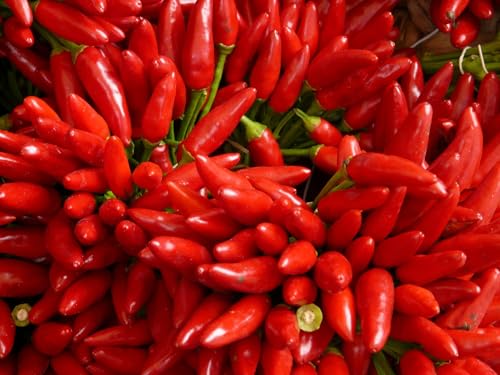
This Organic option from a generic brand emphasizes 50,000–100,000 SHU heat with a compact growth habit suitable for indoor and outdoor cultivation. The seed pack supports growing in containers, hydroponic systems, or traditional garden beds. The plant size is described as compact, reaching about 12–24 inches tall, with dense pepper clusters that produce upright red chilies—particularly appealing for small-space gardeners seeking high heat in a limited footprint.
Buyers should consider seed viability, expected harvest windows, and climate suitability, as microclimates can affect germination and fruit set. Organic labeling appeals to home gardeners who prioritize natural cultivation practices and non‑GMO genetics while maintaining robust pepper production for cooking and preservation.
Buying Guide: Key Purchase Considerations
- Heat level and flavor: Birds eye peppers range from 50,000 to 100,000 SHU. Decide whether you want pure heat, or a fruity, tangy note to complement dishes.
- Growth habit and space: Most bird’s eye varieties are compact and well suited for containers. Measure your available space to choose between single packs and multi‑pack options.
- Germination and harvest timeline: Expect 7–14 days to germinate at warm temperatures (around 75–85°F). Harvest often occurs 95–130 days after transplanting, depending on conditions.
- Growing conditions: Light exposure, temperature, and soil quality influence success. Indoors may require supplemental lighting; outdoors, ensure frost dates are considered.
- Seed integrity: Organic and heirloom labels may appeal to sustainability-minded gardeners. Non-GMO options are common among these seeds.
- Container suitability: If growing in pots, select compact varieties with a smaller footprint and ensure adequate drainage and sun.
- Preservation and use: Consider whether you plan to fresh‑use peppers, dry them, or freeze for long‑term storage. Dried chilies are ideal for spice blends and sauces.
- Cost versus quantity: Multi-pack seeds offer greater value for larger gardens, while single packs are suitable for beginners or restricted spaces.
Overall, the best birds eye chili seed choice balances space, climate, and culinary goals. For patio gardeners, compact varieties with high yields in containers are ideal. For larger home gardens, multi-pack options provide flexibility across beds and microclimates. Evaluate germination support from the seed vendor and consider starting indoors to extend your growing season if you live in cooler regions.