Best Bug Sprays for Indoor Plants: Safe, Plant-Based Solutions
Indoor plants face common insect and mite problems that can affect growth and appearance. This article highlights five effective bug sprays that are suitable for indoor use, focusing on safety, ease of application, and broad pest control. Each option targets common threats like aphids, mites, and whiteflies, while aiming to minimize exposure to homes and family. Review the products’ features to find the best fit for your houseplants and growing conditions.
Product Summary
| Product | Brand | Key Benefit | Best For |
|---|---|---|---|
| BioAdvanced Houseplant Insect & Mite Control | BioAdvanced | Contacts insects and mites; broad disease protection | Aphids, mites, fungal diseases |
| Bonide Insecticidal Soap | Bonide | Direct contact control; suitable for edible crops | Aphids, mites, caterpillars, thrips |
| Neem Oil Spray (Peppermint) | Smart Grower | Natural oil-based protection with peppermint | General plant pests, preventive care |
| Mighty Mint Peppermint Oil Spray | Mighty Mint | Plant-based deterrent with peppermint | Spiders, ants, roaches, indoor spaces |
| Garden Safe Houseplant & Garden Insect Killer | Garden Safe | Kills 100+ listed insects; usable up to harvest | Houseplants, home gardens |
BioAdvanced Houseplant Insect & Mite Control
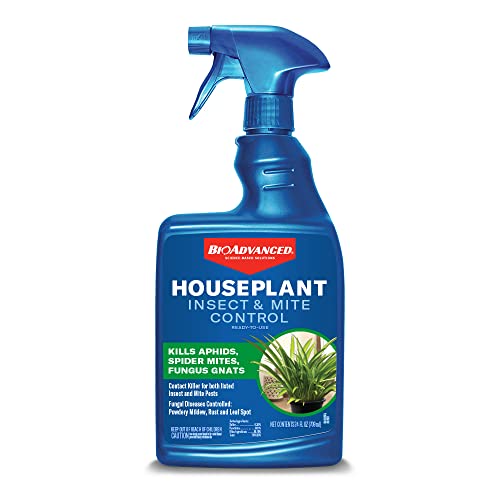
BioAdvanced offers a ready-to-use spray designed for indoor houseplants. It provides contact kill action against common insects such as aphids, fungus gnats, whiteflies, and lace bugs, while also helping to protect plants from fungal diseases like powdery mildew and leaf spot. The formula also targets mites, including spider mites. For best results, thoroughly spray all plant areas, with extra attention to new shoots and undersides of leaves to reach hidden pests.
Bonide Insecticidal Soap
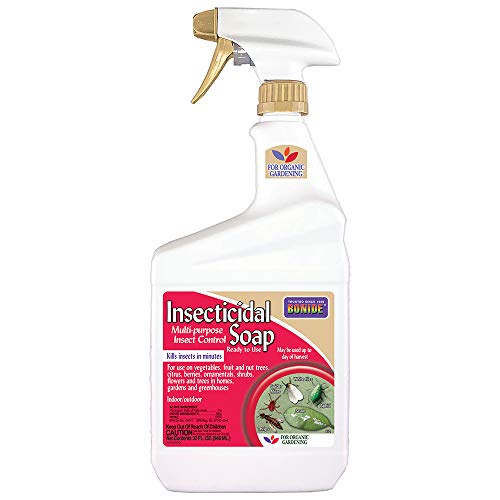
Bonide Insecticidal Soap is a versatile, contact-based treatment suitable for indoor and outdoor use. It controls a wide range of pests including adelgids, aphids, mites, caterpillars, and more. Designed for outdoor residential use but applicable to a variety of edible and ornamental plants, it works by spraying insects directly or allowing leaf-feeding pests to ingest treated surfaces. This product emphasizes safety for use on a broad spectrum of plants, including herbs and ornamentals.
Neem Oil Spray for Plants (Peppermint)

This neem oil spray combines essential neem oil with peppermint oil for added plant vitality and a refreshing tag-on benefit. It provides a natural approach to plant protection, helping safeguard indoor greenery from common pests while supporting overall plant health. The peppermint infusion adds aroma and potential deterrent properties for some insects, making it a preventive option for routine plant care.
Mighty Mint Peppermint Oil Insect Repellent Spray
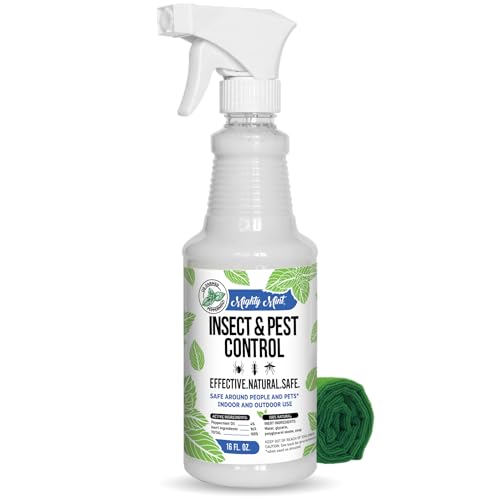
This plant-based spray relies on concentrated peppermint oil to deter a range of indoor pests such as spiders, ants, and roaches. It is designed for use around pets and children when applied as directed, offering a natural alternative to chemical pesticides. The spray works well for spot treatments on baseboards, entryways, and other areas where insects gather, without staining most surfaces when used properly.
Garden Safe Houseplant & Garden Insect Killer

Garden Safe Insect Killer is formulated to kill over 100 listed insects on contact and is suitable for use on homes, home gardens, and greenhouses. It can be applied on vegetables, herbs, fruits, nuts, ornamental plants, and houseplants. The product is positioned for general-use pest control in indoor and outdoor settings, with a focus on versatility and broad-spectrum efficacy across a variety of plant types.
Buying Guide
Key considerations when selecting a bug spray for indoor plants include pest specificity, plant safety, and application method. Here are important factors to weigh:
- Pest targets: Identify whether you are dealing with aphids, mites, whiteflies, or a broad range of pests. Choose a formula that specifically addresses those threats.
- Plant safety: Indoor plants vary in sensitivity. Look for products labeled safe for houseplants or edible crops if you grow herbs or vegetables indoors.
- Contact vs systemic action: Contact killers work on direct contact, while some products offer residual or systemic protection. Consider your pest pressure and reapplication needs.
- Organic and natural options: Neem oil and peppermint-based sprays offer natural approaches but may require more frequent applications or careful timing to avoid phytotoxicity on delicate species.
- Application ease: Ready-to-use sprays are convenient for quick spot treatments, while larger formats may be cost-effective for larger collections or frequent applications.
- Safety for pets and children: If you have curious pets or kids, prioritize pet-friendly formulations and follow all label instructions for safe use around the home.
- Edible crops: If you keep herbs or potted vegetables indoors, ensure the product allows use on edible plants up to harvest and review any residue considerations.
- Scent and odor: Peppermint and neem-based products may leave noticeable scents; ensure compatibility with your living space and any scent sensitivities.