Best Bushes With Purple Blooms for Your Garden
Looking for vibrant purple-blooming shrubs to refresh your landscape? This guide highlights five top options that are well-suited for American gardens, with clear guidance on who they’re best for and where they thrive. Each entry includes practical reasons to choose it, plus a brief caution to help avoid common pitfalls. The featured plants span lilacs, loropetalum, and purple sages, offering fragrance, color, and seasonal interest across sun-exposed and partially shaded spaces. Use the quick summary below to compare at a glance and then dive into detailed product profiles.
| Product | Best For | Key Benefit |
|---|---|---|
| Common Lilac Bush (DAS Farms) | Fragrance lovers; larger shrubs | Classic lilac blooms with strong scent |
| Purple Daydream Loropetalum (Southern Living) | Compact spaces; containers | Evergreen foliage with year-round color |
| Dark Purple Lilac Seeds (Generic) | Low-maintenance enthusiasts; skillful growers | Fragrant lilac blooms from seeds |
| Common Lilac Trees Live Plants (ELLA’S HOMES) | Established root systems; year-round appeal | Dormant bareroots ready to plant |
| Purple Lilac Live Plant 4″ Pot (Generic) | Borders and hedges; quick color | Ready-to-plant with strong spring blooms |
Common Lilac Bush — Lavender Purple Blooms

Type: Live plant; size shipped 2 to 3 feet tall. This lilac variety is well-known for its classic purple blossoms and strong fragrance. Best for: gardeners seeking a traditional, large-scaling flowering shrub with notable fragrance in full to partial sun. Selection rationale: its mature bloom display and familiar scent make it a standout for focal points in mixed borders. Caution: shipments may arrive as bare-root in certain regions due to regulations; winter leaves are absent on deciduous varieties.
Purple Daydream Loropetalum — Compact Evergreen

Type: 1 gallon; compact evergreen bush with pink spring flowers and purple foliage. Best for: small yards, container gardens, and borders where space is limited but color is desired year-round. Selection rationale: its versatility—tolerant of sun and partial shade—and neat mound growth make it ideal for modern landscape beds. Caution: evergreen foliage color can vary with climate; ensure site receives adequate sun for best purple depth.
50 Dark Purple Lilac Seeds — Fragrant Perennial
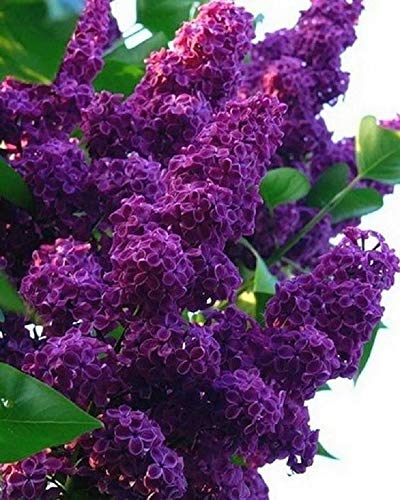
Type: Seeds; hardiness zones 3-7; expected height 12–15 feet. Best for: gardeners who prefer starting plants from seed and enjoy longer-term growth planning. Selection rationale: a cost-effective way to establish a lilac display across a multi-season border. Caution: seeds may require longer establishment time before flowering; understand zone suitability for your area.
Common Lilac Trees Live Plants — Dormant Bareroots

Type: 1-year-old rooted bushes; height 6–12 inches when shipped. Best for: gardeners who want an established root system and a head start on spring planting. Selection rationale: delivered as dormant bareroots, ideal for spring or fall installation to establish strong roots. Caution: ensure proper root protection during transit and prepare soil well to support early growth.
Purple Lilac Live Plant in 4″ Pot

Type: 4″ pot; ready for immediate planting. Best for: home gardens needing quick color bursts along borders or entryways. Selection rationale: compact plant that delivers fragrant spring blossoms and is suitable for smaller yards or foundational plantings. Caution: not yet blooming in its first season; expect a period of root establishment before flowering.
Purple Mexican Bush Sage — Pack of 2

Type: Pack of 2 bare-root starter plants; 5–9 inches tall. Best for: gardeners seeking drought-tolerant, late-season color with a unique texture. Selection rationale: velvet-textured spikes of purple calyxes atop silvery foliage add architectural interest and late-season bloom. Caution: surface irrigation should be avoided to prevent root rot; provide well-drained soil.
Perfect Plants Black Knight Butterfly Shrub

Type: 1 gallon; decently sized shrub with dark purple flowers. Best for: attracting pollinators such as butterflies, bees, and hummingbirds. Selection rationale: drought-tolerant and hardy in warmer climates, making it a strong year-round garden anchor in suitable zones. Caution: may require sun exposure to maximize bloom intensity; in shadier spots, flowering can be reduced.
Buying Guide: Purple Blooms For Your Landscape
How big is the planting area and what is the sun exposure? Lilacs generally prefer full sun and well-drained soil; loropetalum often tolerates some shade but looks best with sun. Consider mature size for border planning and container suitability for compact varieties. Do you want fragrance, evergreen foliage, or late-season color? Seed-grown options can be economical, but established plants offer faster color. For drought-prone gardens, select drought-tolerant varieties like the purple sage or hardy lilacs designed for hot states.
Soil and climate compatibility are essential. Check zone recommendations and ensure proper winter protection for tender specimens. For container gardening, choose compact or dwarf cultivars that maintain visual impact without overwhelming space. For hedges or borders, plan spacing to allow air circulation and reduce disease risk.
Care and maintenance are straightforward but differ by species. Lilacs typically require moderate watering, annual pruning after flowering, and full sun. Loropetalum benefits from consistent moisture in well-drained soil and occasional pruning to maintain shape. Sage varieties need well-drained soil and sunlight, with drought-aware irrigation practices. Seeds require longer establishment timelines but can eventually deliver repeat blooms with proper care.
Frequently Asked Questions
- Q: Which purple bush is best for fragrance? A: The common lilac varieties are renowned for their strong, traditional lilac fragrance.
- Q: Can these plants grow in partial shade? A: Loropetalum tolerates partial shade; lilacs prefer full sun for best bloom.
- Q: Are lilacs suitable for containers? A: Some lilac varieties and dwarf cultivars adapt to containers, but most grow larger over time and require root space.
- Q: Do lilacs bloom every year? A: In favorable climates with proper care, lilacs typically bloom annually; some varieties may have variable yearly performance in extreme heat or cold.
- Q: What maintenance is required after flowering? A: Prune lilacs lightly after bloom to maintain shape; prune loropetalum lightly to keep dense form and encourage new growth.
- Q: Are these plants deer-resistant? A: Deer resistance varies by species and locality; lilacs are sometimes browsed by deer in certain regions.