Best Calcium Fertilizer for Tomatoes: Top Picks to Prevent Blossom End Rot
Tomatoes need steady calcium supplies to prevent blossom end rot and support steady fruit development. The right calcium fertilizer helps ensure healthy leaves and abundant yields, whether you’re gardening in soil beds, containers, or greenhouses. Below are five strong options that address calcium deficiency, improve uptake, and fit different growing setups. Each product draws on calcium sources like calcium nitrate, calcium chloride, and organic blends to support tomatoes and other vegetables.
| Product | Brand | Calcium Source | Best For |
|---|---|---|---|
| Espoma Organic Tomato-Tone 3-4-6 with 8% Calcium | Espoma | Organic calcium (8%) in a 3-4-6 base | Organic tomato care and long-term soil health |
| Bonide Rot-Stop Tomato Blossom End Rot | Bonide | Calcium chloride-based | Quick correction of calcium deficiency |
| Calcium Nitrate 15.5-0-0 Fertilizer | Cz Garden Supply | Calcium nitrate (Ca and N) | Greenhouse and hydroponic applications, rapid uptake |
| Grow More Maxi-Cal (10-0-0) | Grow More | 10% Calcium with nitrogen-rich blend | Blossom end rot prevention and rapid growth |
| True Organic Tomato & Vegetable Food – 6% Calcium | True Organic | Calcium plus balanced NPK and micronutrients | Organic gardening and diverse vegetables |
Throughout this guide, each product is selected for its relevance to tomato crops and calcium management. Compare ingredients, application methods, and whether you prefer organic or synthetic formulations to determine the best fit for your garden.
Bonide Rot-Stop Tomato Blossom End Rot
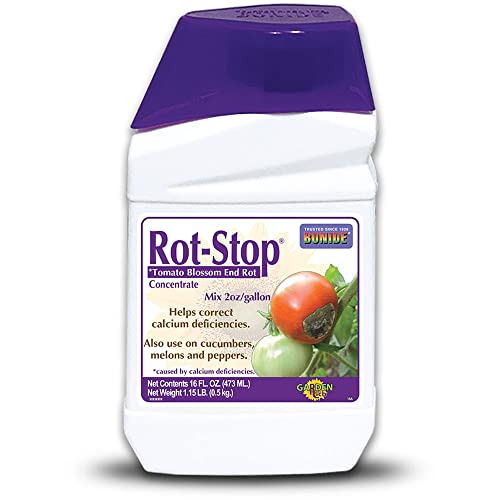
Bonide Rot-Stop is a liquid fertilizer designed to correct calcium deficiency that leads to blossom end rot. The product relies on calcium chloride as its primary calcium source and is suitable for both indoor and outdoor use. Its versatility extends to other crops—cucumbers, melons, and peppers—where calcium supplementation can prevent blossom end rot and promote healthier fruit development. Consider Rot-Stop when you want a quick, easy-to-apply fix that integrates into routine watering schedules.
Calcium Nitrate 15.5-0-0 Fertilizer

This water-soluble, greenhouse-grade calcium nitrate fertilizer delivers 19% calcium and 15.5% nitrogen. It’s designed to promote lush green leafy growth while boosting calcium availability for roots and fruit production. Because it’s highly soluble, it’s well suited for hydroponics and pots in controlled environments. Be mindful of consistent mixing and irrigation compatibility to avoid nutrient imbalances in your tomato crops.
Espoma Organic Tomato-Tone 3-4-6 with 8% Calcium

Espoma Tomato-Tone provides an organic approach with an 8% calcium component embedded in a 3-4-6 formulation. It’s designed for use on all tomato varieties and other vegetables. The blend includes Bio-tone beneficial microbes, supporting soil health and long-term nutrient availability. Application is straightforward: work into the soil near the drip line every two weeks during the growing season, followed by thorough watering. This product suits gardeners prioritizing organic inputs and soil biology.
Espoma Organic Tomato-Tone 4 lb (Duplicate Listing)

This listing mirrors Espoma’s organic Tomato-Tone with the same benefits: balanced NPK along with 8% calcium, soil-safe ingredients, and a two-week application cadence. It’s ideal for gardeners who want a consistent, ready-to-use option that supports flowering, fruit set, and resistant growth without synthetic additives.
Burpee Organic Tomato & Vegetable Granular Plant Food

Burpee’s organic granular fertilizer is designed for long-lasting results, releasing nutrients gradually for up to three months. While not exclusively a calcium-focused product, it supports overall plant health with organic inputs that contribute to robust tomato growth and improved fruit production. It’s a good option when you want a broad organic feed that helps prevent nutrient gaps during peak growing periods.
Farmer’s Secret Tomato Booster Fertilizer

Farmer’s Secret Tomato Booster is a highly concentrated fertilizer designed to boost tomato yields with a balanced mix including calcium and micronutrients. It claims strong performance for larger, juicier tomatoes and emphasizes a small application amount for significant results. It can serve as a rapid-onset option when you need a targeted calcium supplement combined with other essential nutrients.
Buying Guide: Key Purchase Considerations
- Calcium source and rate: Synthetic options (calcium nitrate, calcium chloride) provide quick uptake, while organic blends rely on slower release and soil biology. Choose based on your growing method and timeline.
- Organic versus synthetic: Organic Tomato-Tone and similar blends support soil life but may require longer to affect fruit outcomes. Synthetic inputs can deliver faster correction for blossom end rot.
- Application method: Liquid concentrates, soluble granules, and granular blends each have different rhythms. Consider whether you prefer soil incorporation, foliar feeding, or drip-line application.
- Compatibility with existing feeding schedules: Ensure your chosen product aligns with current NPK programs and irrigation practices to avoid nutrient antagonism.
- Crop scope: If you grow other vegetables beyond tomatoes, consider multi-crop formulas or targeted products that still deliver calcium for preventing blossom end rot across your garden.
- Environmental and safety considerations: Organic options minimize synthetic inputs, while greenhouse users may favor water-soluble versions for hydroponics or precise dosing.
- Container and bed suitability: For container gardens, choose products with rapid uptake and clear instruction for potting mixes. For in-ground beds, long-lasting formulas can reduce frequent feedings.
For best results, monitor leaf and fruit symptoms, maintain consistent watering to prevent calcium transport disruption, and follow product-specific directions for dosage and frequency. A proactive calcium plan alongside regular soil and tissue testing can optimize tomato health and yield across seasons.