Best Climbing Roses for Zone 6: A Gardener’s Guide to Stunning Vines
Introduction
Zone 6 gardeners can enjoy year‑round color with climbing roses that tolerate cold winters and thrive in sun. This guide highlights five resilient options, spanning fragrant reds, pinks, whites, and yellows. Each pick is suited for outdoor planting, with strong root systems and steady bloom cycles. Below is a quick summary to help you compare features at a glance.
| Product | Variety Type | Hardiness Zone |
|---|---|---|
| Purple Climbing Rose Live Plant | Climbing Rose (Live Plant) | 6-9 |
| Eden Climber Rose Plant | Climbing Rose (Own Root) | 5-10 |
| Arborose Honeymoon White Rose | Climbing Rose (Own Root) | 5-9 |
| Reach for The Skies Pink Roses | Climbing Rose (Own Root) | 6-10 |
| Candy Land Climbing Rose | Climbing Rose (Own Root) | 5-9 |
The selections focus on plants that root well, resist common rose problems, and adapt to Zone 6 conditions. They offer a mix of fragrance, color, and growth habit to fit trellises, fences, or arbors. Each entry includes a brief note on care and attributes drawn from their listed features to help you compare at a glance.
Purple Climbing Rose Live Plant

This 6‑month-old starter rose offers versatility for garden beds and indoor displays, making it suitable for zones that experience cooler winters. Its compact growth can contribute to a visually striking focal point on a trellis or wall. The plant is described as easy to grow and adaptable for several spaces, from patios to living room displays, which can be advantageous for seasonal展示.
- Versatile: Suitable for outdoor landscapes and indoor decorative use
- Color options: Available in multiple hues for coordinated styling
- Low maintenance: Described as easy to grow and care for
Eden Climber Rose Plant

The Eden Climber is an Own Root rose, believed to deliver robust blooms and longevity. Grown to thrive in Zones 5–10, this climber is well-suited for Zone 6 gardens seeking reliable bloom sequences on garden arches or fences. The One Gallon size indicates a well-established plant ready for rapid growth and establishment in the landscape.
- Own Root: Potentially more blooms and resilience
- Age and container: 12–16 months in a one‑gallon pot
- Hardiness: Broad range including Zone 6
Arborose Honeymoon White Rose
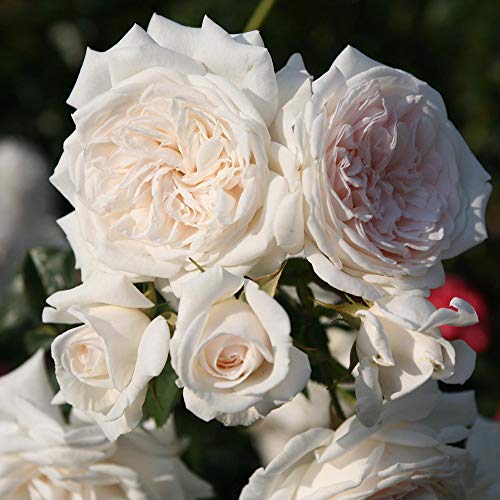
Part of Heirloom Roses’ Arborose line, this white climbing rose is offered as an Own Root plant in a one gallon pot, designed for strong performance in Zone 6 and nearby zones. Known for producing more blooms and hardiness, it’s a robust option for arbors, fences, or walls. The white color can brighten shaded or sunny spots alike, making it a versatile addition to many garden palettes.
- Own Root for vigor
- 12–16 months old in one gallon pot
- Hardiness: Zones 5–9
Reach For The Skies Pink Climbing Rose
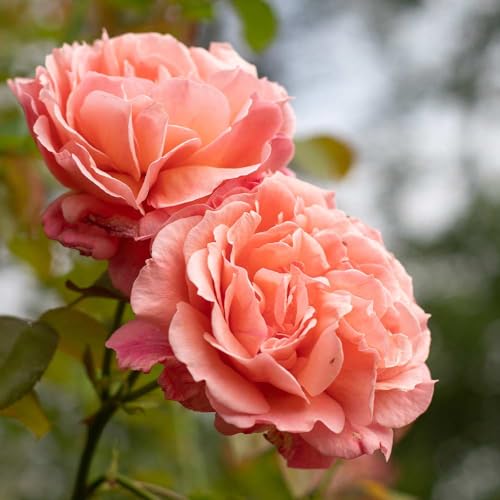
This climbing rose grows in an Own Root form and is offered in a One Gallon container, tailored for Zone 6–10. Its pink blooms are widely appreciated for their vibrant color and robust growth habit. With a focus on resilience and easy culture, this variety tends to establish well on supportive structures and can deliver a steady display of clusters along trellises and fences.
- Own Root: Greater bloom output and hardiness
- One Gallon size; established young
- Hardiness: Zones 6–10
Candy Land Climbing Rose

Candy Land is described as an Own Root climbing rose with a one‑gallon presentation, intended for Zones 5–9. It’s a pink selection noted for its vigorous growth and abundance of blooms, making it a strong candidate for covering a fence or pergola. Its root system and growth pattern suit Zone 6 gardens seeking a bright, long‑lasting display during the growing season.
- Own Root: Stronger growth and bloom potential
- One Gallon: Suitable for faster establishment
- Hardiness: Zones 5–9
Buying Guide: Key Purchase Considerations
When selecting climbing roses for Zone 6, consider the following factors to maximize success and bloom quality.
-
<li Rooting Type: Own root roses are typically more winter-hardy and resilient than grafted varieties, translating to stronger, longer-lasting blooms in Zone 6 winters.
<li Hardiness Range: Look for zones that include Zone 6 or lower to ensure winter tolerance. Own root plants often extend hardy ranges beyond grafted versions.
<li Age and Container: One gallon pots usually indicate plants that can establish quickly, while bare-root or potted starter plants may require more initial care but can catch up rapidly with good soil and support.
<li Bloom Habit and Color: Consider whether you want fragrance, cluster blooms, or a single large flower. Colors can guide landscape composition and complement existing foliage.
<li Growth Habit: Climbing roses vary in vigor and trellis/climbing needs. Ensure your support structure is sturdy enough for the mature spread of the selected cultivar.
<li Care Regimen: Most Zone 6 climbers benefit from well-draining soil, full sun, consistent watering during establishment, and annual pruning to promote air circulation and abundant blooms.
<li Disease and Pest Resistance: Some varieties emphasize resilience with fewer chemical interventions, important for low-maintenance landscaping goals.
Additional Considerations
To ensure a successful display, align plant choice with your site conditions: sun exposure, soil type, and proximity to structures that may impact airflow. In Zones 6, winter protection during severe cold snaps can help sustain climbers; mulching and wrapping can provide additional insulation for younger plants. Combining different colors and bloom times can extend visual interest through the growing season while minimizing disease pressure through air circulation and spacing.