Best Compost and Soil Amendments for Apple Trees: Top Picks for Healthier, Juicier Fruit
Choosing the right compost and soil amendments can boost apple tree health, improve fruit quality, and support long-term vigor. This guide highlights five well-regarded products that align with organic principles and practical home orchard needs. Each option focuses on delivering essential nutrients, improving soil structure, or supporting robust root and canopy development—key factors in productive apple trees.
Summary Table of Selected Products
| Product | Brand | Type | Key Benefit |
|---|---|---|---|
| Espoma Organic Land and Sea Gourmet Compost | Espoma | Compost with lobster & crab meal | Mycorrhizal support and organic soil enrichment |
| Down To Earth All Natural Fruit Tree 6-2-4 | Down To Earth All Natural Fertilizers | OMRI-listed fruit tree fertilizer | Balanced NPK with calcium for fruit development |
| Farmer’s Secret Fruit Tree Booster Fertilizer | Farmer’s Secret | Concentrated fruit tree fertilizer | Early growth nourishment for all fruit trees |
| HiThrive 16oz Apple Tree Fertilizer | HiThrive | Liquid fertilizer | Boosts growth, root and fruit development |
| Old Cobblers Farm Wicked Growth Apple Tree Fertilizer | Old Cobblers Farm | Balanced fertilizer | Supports root health, foliage, and fruit yield |
Espoma Organic Land and Sea Gourmet Compost

Espoma’s Organic Land and Sea Gourmet Compost blends natural organics with lobster and crab meal to create a rich planting medium suitable for trees, shrubs, and garden beds. It is designed for use during planting or transplanting to improve native soil and can be incorporated into planters and garden beds. The product features a mycorrhizae-enhanced soil biology profile, which helps tree roots access nutrients more efficiently. For apple trees, it can improve soil structure, moisture retention, and microbial activity—factors that influence nutrient uptake and overall vigor.
Down To Earth All Natural Fruit Tree Fertilizer 6-2-4

This five-pound, OMRI-listed fertilizer is specifically formulated for fruit trees, including apples. The 6-2-4 NPK ratio provides primary nutrients for growth while adding calcium to support fruit development and reducing issues like calcium-related disorders. Being OMRI-listed makes it a practical option for organic apple production in home orchards. The product is designed to support productive, fruit-bearing trees by nourishing roots, foliage, and developing fruit rings in the canopy.
Farmer’s Secret Fruit Tree Booster Fertilizer

Farmer’s Secret Booster is a concentrated plant food designed to support fruit tree health through the early growth cycle—from post-dormancy through bud break. While marketed for general fruit trees, its robust formulation aims to deliver essential nutrients during a critical window when proper nutrition influences flowering, set, and early fruit development. Its concentrated nature means a smaller application rate can yield meaningful results for apple trees, particularly when soil fertility is moderate.
HiThrive 16oz Apple Tree Fertilizer

HiThrive’s Apple Tree Fertilizer delivers a balanced mix designed specifically for fruit trees. The formula emphasizes nitrogen for leafy growth, phosphorus for root and fruit development, and potassium for fruit quality. It also contains micronutrients like calcium, iron, and zinc to support overall tree health. The product makes preparing spray or soil applications straightforward, allowing for coverage that supports robust canopies and sizable fruits without overloading the tree with nutrients.
Old Cobblers Farm Wicked Growth Apple Tree Fertilizer
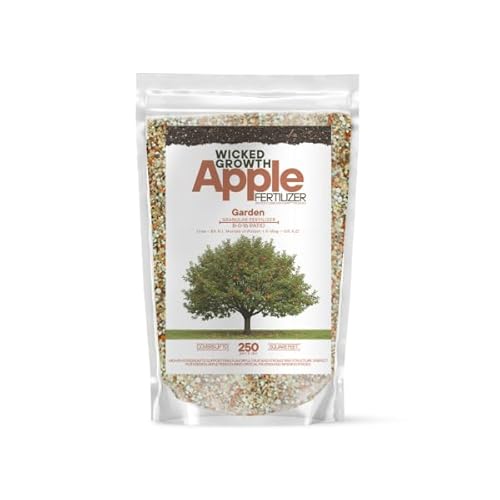
This fertilizer from Old Cobblers Farm targets apple trees with a balanced nutrient blend intended to strengthen roots, promote healthy foliage, and boost overall fruit production. The product emphasizes a solid root foundation as a predictor of long-term tree health and productive harvests. By supporting root vigor and nutrient availability, it helps ensure trees efficiently absorb water and minerals, contributing to steadier growth and improved fruit set over multiple seasons.
Buying Guide: Key Purchase Considerations for Apple Tree Health
When selecting compost or soil amendments for apple trees, consider these factors to match your orchard goals and site conditions:
- Soil health and structure: Assess your soil texture, drainage, and organic matter. Compost blends that improve soil structure and microbial life tend to benefit sapling establishment and mature trees alike.
- Nutrient balance: Apple trees require nitrogen for growth, phosphorus for root and fruit development, and potassium for fruit quality. Balance and timing matter—avoid excessive nitrogen late in the season to prevent overly vigorous vegetative growth at the expense of fruit development.
- Organic certification: If you’re growing fruit for organic markets or personal consumption, look for OMRI-listed products or other organic certifications to ensure compatibility with organic practices.
- Application timing: Early-season applications support new growth and flowering, while balanced annual feeding helps maintain soil fertility. Some products are designed for post-dormancy or early bud break.
- Soil amendments vs. liquid feeds: Compost and granular amendments gradually improve soil health; liquid fertilizers offer rapid nutrient delivery, which can be useful during critical growth periods but may require more frequent applications.
- Environmental considerations: Consider the local climate and soil moisture. In drought-prone areas, amendments that improve water retention can help sustain tree health during heat waves.
- Cost and coverage: Compare price per application or per pound, and align with your orchard size and maintenance schedule to optimize value.
In selecting products, align your choice with whether your priority is soil health, rapid nutrient delivery, or a balanced approach to ongoing orchard maintenance. The options above provide a range of strategies—from compost-based soil improvement to targeted fertilization—so you can tailor a plan to your apple trees’ growth stage and site conditions.