Best Creeping Thyme for Ground Cover: Top 5 Seed Selections for Low-Med Growth Gardens
Creeping thyme is a versatile ground cover that blends fragrance, drought tolerance, and year-round greenery. This guide highlights five leading creeping thyme seed products ideal for lawns, rock gardens, borders, and pathways. Each option offers different traits—from bloom color to growth habit—so you can choose the best fit for your climate and maintenance preferences. Below, you’ll find quick product insights, followed by in-depth sections to help you compare germination, growth, and care needs.
| Product | Brand | Seed Count / Type | Ideal For |
|---|---|---|---|
| 20000pcs Creeping Thyme Seeds | BuggyBeds | 20,000 seeds | Ground cover, pathways, borders |
| 18000+ Magic Creeping Thyme Seeds | Generic | 18,000+ seeds | Border edging, rock gardens |
| 20000pcs Purple Creeping Thyme Seed | BuggyBeds | 20,000 seeds | Ground cover, lawn alternatives |
| 20500+ Blue Creeping Thyme Seeds | Wivolibe | 20,500+ seeds | Perennial ground cover, borders |
| 21500+ Purple Creeping Thyme Seeds | Generic | 21,500+ seeds | Walkways, stepping stones, xeriscaping |
Creeping Thyme Seeds With Dense Ground Coverage

The 20000 seeds from BuggyBeds are designed to create a broad, low-growing mat of fragrant foliage with purple blooms. This option emphasizes perennial growth, ensuring year-after-year coverage for larger beds, pathways, or garden margins. The plant’s hardiness supports landscapes that experience seasonal changes, while the dense mat helps suppress weeds and reduce maintenance in traditional garden beds. Suitable for rock gardens or ornamental borders, these seeds support a lush, evergreen look when established.
Magic Creeping Thyme Seeds For Border Edging

This selection offers 18,000+ seeds intended for ground cover that doubles as a decorative border or rock garden accent. It emphasizes full sun exposure and well-drained soil, with a focus on a rapid, uniform spread once germination occurs. The package guidance suggests sandy, well-drained substrates and emphasizes avoiding waterlogged conditions. It’s well-suited for homeowners seeking a classic creeping thyme look with clear sun and soil requirements.
Purple Creeping Thyme Seed For Garden Ground Cover
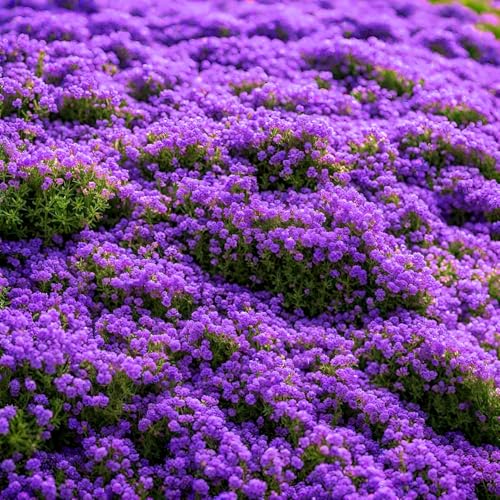
The 20,000-seed purple creeping thyme option by BuggyBeds highlights a perennial ground-covering habit with a pleasant fragrance and purple blooms. This seed batch targets landscape fill for lawns, rock gardens, and borders. It is suitable for gardeners seeking a dense mat that reduces weed growth and provides ground stabilization after establishment. The seed count supports a robust initial spread, though germination rates may vary with soil and climate conditions.
Blue Creeping Thyme Seed For Perennial Ground Cover

From Wivolibe, this blue creeping thyme option emphasizes hardy, drought-tolerant growth that thrives in full sun with well-drained soil. The provided planting guidance covers sowing depth and spacing, highlighting light requirements for germination. It’s well-suited for borders, rock gardens, and edging between paving stones, with an emphasis on long-term ground coverage and soil stabilization in sunny landscapes.
Purple Creeping Thyme Seeds For Walkways

This 21,500+ seed batch by Generic focuses on ground cover for walkways and stepping-stone areas. It highlights full-sun tolerance, well-drained soil requirements, and light germination needs. The seeds are designed to form a fragrant, dense mat that softens hardscape edges and provides a natural-looking lawn alternative. It’s suited for xeriscaping and garden paths where a low-maintenance, evergreen effect is desired.
Buying Guide: Key Considerations For Creeping Thyme Seed Purchases
- Climate and hardiness: Creeping thyme thrives in USDA zones 4-9. Check your local winter temperatures and summer heat when selecting a variety and seed count for adequate winter resilience and summer vigor.
- Sun exposure: Most creeping thyme varieties prefer full sun (at least 6 hours daily). If you have partial shade, look for recommendations that tolerate reduced light or adjust expectations for bloom and growth rate.
- Soil and drainage: Well-drained soil is essential. Sandy or loamy soils perform best. Avoid heavy clay or waterlogged substrates unless you’re prepared to amend soil or alter drainage.
- Growth habit and density: Seed counts influence initial coverage. Higher seed counts can establish faster but may require more initial thinning. Consider the mature spread to plan pathways, borders, and patches.
- Maintenance and drought tolerance: Creeping thyme is drought-tolerant once established, but establishment benefits from consistent moisture. Mulching can help retain moisture and suppress weeds during germination.
- Bloom and fragrance: Purple and blue flowers attract pollinators. If pollinator support is a goal, select varieties noted for fragrance and nectar-rich blooms.
- Germination and care: Germination can be slow and uneven depending on soil temperature and moisture. Lightly pressing seeds into the surface (not fully covering) and maintaining moisture supports better germination.
- Seed quality and non-GMO status: Most listed products indicate non-GMO seeds. If seed purity matters, review batch quality and germination rates where available.
- Application context: For pathways and stepping stones, ensure a dense mat that can handle foot traffic or consider companion ground covers for added resilience.
Quick Tips For Successful Planting
- Prepare the bed by removing debris and loosening the top layer to improve seed-to-soil contact.
- Germination often occurs in cooler spring or fall windows with consistent moisture and protection from extreme heat.
- Space seeds according to guidance on the seed packet to encourage even spreading and reduce thinning needs.
- Once established, provide occasional deep watering during prolonged drought periods to support root growth.