Best David Austin Climbing Roses for Colorful, Fragrant Gardens
David Austin roses are renowned for their lush blooms, rich fragrance, and cottage-garden charm. This article highlights top David Austin varieties that excel in outdoor planting, offering color variety from sunny yellows to delicate whites and romantic pinks. Each section covers key features, garden suitability, and care considerations to help you choose roses that perform well in American gardens.
| Product | Variety | Color | Hardiness |
|---|---|---|---|
| Pilgrim® Yellow | The Pilgrim | Yellow | Zones 5-10 |
| Tranquillity® White | Tranquillity | White | Zones 5-11 |
| Queen of Sweden® Pink | Queen of Sweden | Pink | Zones 5-10 |
| Tess of The d’Urbervilles® Red | Tess of the d’Urbervilles | Red | Zones 5-10 |
| Golden Celebration® Yellow | Golden Celebration | Yellow | Zones 5-10 |
Pilgrim Yellow David Austin Live Rose Plant

The Pilgrim® Yellow rose is an own-root David Austin variety grown by Heirloom Roses. It is delivered in a one-gallon container with rich soil and is suitable for zones 5-10. This yellow English rose is known for bright blooms and strong garden performance, with the resilience that comes from an own-root planting.
Key features include: own-root stock for increased bloom resilience; one-gallon size at 12-16 months old; hardy in zones 5-10. Potential considerations include full sun exposure needs and regular feeding to sustain vibrant yellow blooms through the growing season.
Tranquillity White David Austin Live Rose Plant

The Tranquillity® White rose provides pure white blooms with classic David Austin form. As an own-root plant, it tends to produce more blooms and maintain true-to-type characteristics. Delivered in a one-gallon container, it suits garden borders, trellises, or mixed hedges in zones 5-11.
Considerations include its preference for well-drained soil and consistent moisture. It offers a refined, timeless look that pairs well with summer greens and pastel companion plants, though white roses may reveal soil imperfections more readily than darker varieties.
Queen of Sweden Pink David Austin Rose Plant

The Queen of Sweden® Pink rose combines David Austin’s classic English rose style with a warm pink hue and a strong fragrance. It is an own-root plant, 12-16 months old, delivered in a one-gallon pot, suitable for zones 5-10. It performs well as a specimen, in mixed borders, or along fences and trellises.
Key considerations include ensuring full sun with good air circulation and regular feeding during the growing season to promote abundant, fragrant blooms. Its pink shade blends nicely with blues and purples in the garden palette.
Tess of The d’Urbervilles Red David Austin Rose Plant

The Tess of The d’Urbervilles® Red rose presents a striking red bloom with classic English rose form. This own-root plant is supplied in a one-gallon container and is suitable for zones 5-10. It is a versatile choice for borders, trellises, or climbing structures where a bold, romantic accent is desired.
Gardeners should provide consistent moisture, sun to light shade, and protection from harsh winds. Regular pruning after peak bloom helps maintain plant vigor and flowering abundance.
Golden Celebration Yellow David Austin Rose Plant
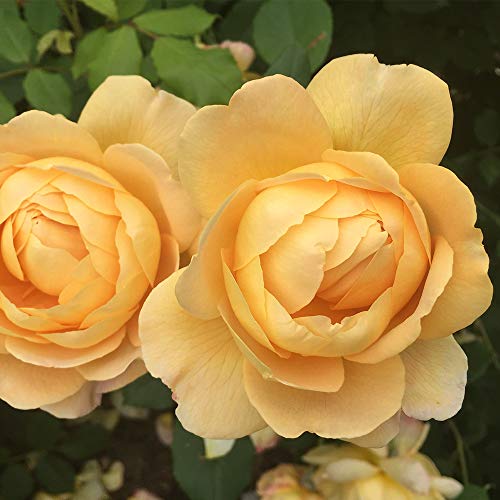
The Golden Celebration® Yellow rose is celebrated for its large, warm yellow blooms and strong fragrance. As an own-root, one-gallon plant, it provides robust heat tolerance and consistent production in zones 5-10. This variety is well-suited for sun-drenched borders and focal points in the garden.
Considerations include ensuring adequate spacing for air flow and regular soil amendment to maintain vigor in hotter climates. Its bright color makes it a standout partner for purples and blues in mixed plantings.
The Poet’s Wife Yellow David Austin Rose Plant

The Poet’s Wife is a yellow David Austin rose known for cheerful blooms and reliable performance. This own-root, one-gallon plant is suited for zones 4-11 and can be a bright addition to sunny borders or as a climbing accent on fences and trellises.
When growing The Poet’s Wife, provide steady moisture, well-drained soil, and periodic feeding. Its cheerful color complements a wide range of perennial companions and annuals in mixed plantings.
Crown Princess Margareta Orange Apricot Rose Plant

The Crown Princess Margareta® Orange Apricot rose offers a warm, inviting hue with classic David Austin form. Delivered as an own-root, one-gallon plant, it suits zones 5-10 and is suitable for climbing on trellises or as a bush alongside a sunny border. Fragrance and bloom density tend to be favorable with adequate sun and soil enrichment.
Purchase considerations include climate suitability, trellis or support needs for climbing growth, and the potential for staggered bloom across the growing season to maintain garden interest.
Darcey Bussell Pink David Austin Rose

Darcey Bussell Pink is a David Austin rose known for its soft pink petals and graceful form. It is listed as easy to grow and is suitable for a variety of garden settings. The plant is own-root and delivered in a one-gallon pot, with hardiness suitable for zones 4-11. It can be used in borders, beds, or climbing displays with appropriate support.
Key considerations include sun exposure, soil drainage, and pruning to maintain a balanced shrub with ongoing bloom production. Pair this rose with complementary perennials for a long-lasting display of color and fragrance.
Buying Guide: Key Purchase Considerations for David Austin Roses
- Rootstock and stability: All listed varieties come as own-root plants, which tend to establish quickly, bloom prolifically, and stay true to variety compared with grafted roses. This can influence long-term vigor and landscape reliability.
- Hardiness zones and climate: Most selections cover zones 4–11 or 5–11, with some tolerance to colder or hotter conditions. When selecting, match hardiness to your local climate and the anticipated winter protection you’re prepared to provide.
- Sun exposure and location: English roses generally perform best in full sun with well-drained soil. They appreciate morning sun to reduce afternoon heat stress, and good air circulation helps prevent foliar diseases.
- Soil and feeding: Enriching soil with organic matter improves drainage and nutrient availability. Regular, balanced feeding during the growing season supports robust blooms but avoid over-fertilization which can lead to excessive foliage growth.
- Watering and moisture: Consistent moisture is important, especially in hot, dry periods. Use mulch to maintain soil moisture and regulate soil temperature around the root zone.
- Pruning and shaping: Pruning styles can influence bloom abundance and plant form. For climbers or ramblers, provide support and prune to shape after blooming to encourage rebound growth.
- Garden design considerations: Pair David Austin roses with complementary perennials (lavender, salvia, echinacea) to highlight fragrance and color. Consider color harmony and bloom timing to achieve continuous garden interest.
- Maintenance expectations: English roses typically require regular, light maintenance rather than heavy pruning. Plan for seasonal activities like deadheading and seasonal feeding to maximize bloom cycles.