Best Dragon Fruit Cactus Flower Guide: Growing and Enjoying the Yellow to Red Pitaya
Dragon fruit cacti are a striking addition to home gardens and indoor plant collections. This guide highlights a curated set of dragon fruit cactus plants and related items that appeal to American readers looking to grow vibrant fruit-bearing succulents. Explore five select plants, a freeze-dried powder for flavor enthusiasts, and practical buying considerations to help you choose what fits your space and climate. Each product blends exotic beauty with garden versatility, from compact starter plants to climbers that promise edible rewards.
A quick summary table of the chosen products helps you compare key points at a glance:
| Product | Type | Highlights | Care Focus |
|---|---|---|---|
| Yellow Dragon Fruit Cactus Live Plant | Live Plant | Bright yellow skin, white flesh; compact starter | Sun, warmth, well-drained soil |
| Edgar’s Baby Dragon Fruit Cactus | Live Plant | Exotic flavor; early growth stages | Full sun, Zones 10-11 |
| BubbleBlooms Huernia Red Dragon | Live Plant | Unique flowering; gift-ready packaging | Indoor-friendly, cool, safe packaging |
| Red Flesh Dragon Fruit – Edgar’s Baby | Live Plant | Bright red/pink skin; edible fruit | Support for heavy branches; warm climate |
| Unusual Dragon Fruit Pitahaya | Live Plant | Night-fragrant white flower; greenish-red fruit | Well-draining soil; full sun |
Yellow Dragon Fruit Cactus Live Plant

The Yellow Dragon Fruit Cactus (Selenicereus megalanthus) offers a rare, vibrant addition to a garden or patio. Its bright yellow skin encases white flesh with tiny black seeds, featuring a flavor reminiscent of kiwi. The plant ships as a compact starter, measuring 3-8 inches tall in a 3-inch pot, making it suitable for container gardening or small spaces. To thrive, provide warmth and six hours of sunlight daily. Outdoors, it performs best in USDA Zones 10-11 but adapts to bright, warm indoor environments across other zones. This starter plant is ideal for fruit plant enthusiasts who enjoy watching a plant mature from an early stage.
Care notes emphasize warmth, sun, and a well-draining mix. When you transplant, select a pot with drainage holes and use a cactus-friendly soil blend. Regular but moderate watering supports growth, especially in warm months. The species is known for flowering later in life, offering a long-term focal point for a sunny corner or greenhouse. Pair it with a trellis or wall support to maximize space and airflow while keeping the plant stable as it grows taller.
Edgar’s Baby Dragon Fruit Cactus – Hylocereus Undatus

The Edgar’s Baby Dragon Fruit Cactus is a tropical fruit plant with a mature height potential of 15-20 feet, making it a striking long-term addition for sunny patios and greenhouses. It requires rich, well-drained soil and full sun to flourish. This starter plant begins at 3-8 inches tall in a 3-inch pot, offering a hands-on growth journey for gardeners who enjoy cultivating exotic fruiting plants. It is ideally suited for USDA Zones 10-11, where warm climates support its vigorous, climbing growth and eventual fruiting along the canopy or trellis. The plant’s exotic flavor adds a culinary allure to home gardens, beyond adoring its unique appearance.
Expect steady growth with gradual pruning and support for heavy fruiting branches. A simple trellis helps manage vertical space while reducing strain on stems. When first planted, maintain consistent watering but allow the soil to dry slightly between waterings. Supplemental feeding with a balanced, low-nitrogen fertilizer once a month during the growing season can support flowering and fruit set. The Edgar’s Baby plant appeals to collectors seeking a dramatic centerpiece with a promise of edible rewards in warmer climates.
BubbleBlooms Huernia Red Dragon

The BubbleBlooms Huernia Red Dragon represents a distinctive addition to indoor collections. Marketed as a compact, low-maintenance cactus with a striking red dragon appearance, it comes in a four-inch pot and is shipped with gift-ready packaging. This plant is well-suited for indoor spaces where bright but indirect light is available. It appeals to plant lovers who want a dramatic, conversation-starting specimen without requiring extensive outdoor space. The emphasis on careful packaging and local sourcing highlights its suitability as a thoughtful gift at various occasions, while delivering a durable, unique succulent for the home.
Care considerations focus on moderate watering and bright light. Huernias typically tolerate a range of indoor temperatures and benefit from well-draining soil to prevent root rot. If you choose this plant for a gift or a display, pairing it with a decorative pot or a small stand can elevate its visual impact while ensuring stable growth in a controlled environment.
Red Flesh Dragon Fruit – Edgar’s Baby

The Red Flesh Dragon Fruit – Edgar’s Baby presents a Hylocereus hybrid known for edible fruit with bright red or pink skin and pink flesh with black seeds. The live plant arrives at 8 inches tall, making it an accessible starter for gardeners eager to observe growth from early stages to maturity. Branches tend to be vining and may require support as the plant matures, so gardeners should prepare a trellis or stake to control sprawling growth. This variety adds an eye-catching color background to warm-climate gardens while delivering a flavorful fruit experience once established.
Growing guidance emphasizes strong sunlight, warm temperatures, and support structures. For best results, plant in well-draining soil and monitor soil moisture to prevent overwatering. As branches increase in length, a secure support system helps distribute weight and promotes healthier fruit production. This plant is a strong option for those who want a striking, fruit-bearing cactus with vivid coloration that stands out in a sunny landscape or greenhouse setting.
Wilderness Poets Freeze Dried Dragon Fruit Powder

For flavor enthusiasts, Wilderness Poets Freeze Dried Dragon Fruit Powder provides a convenient way to enjoy the tropical profile of pitahaya without fresh fruit. This 3.5-ounce package contains freeze-dried dragon fruit, suitable for smoothies, yogurt bowls, or baked goods. The product is non-GMO, gluten-free, raw, vegan, and free from added sugars or salt, aligning with clean-label dietary preferences. It represents a practical pantry addition for people who want to incorporate dragon fruit health benefits and distinctive flavor into everyday meals without handling fresh fruit.
Unusual Dragon Fruit Pitahaya – Emerald Goddess Gardens
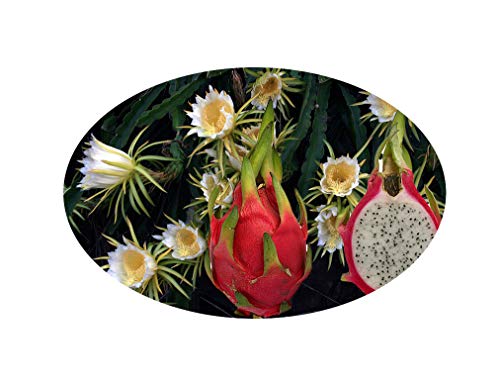
The Unusual Dragon Fruit Pitahaya by Emerald Goddess Gardens showcases Hylocereus undatus with a large, night-blooming white flower and a greenish-white to pale ivory yellow bloom. The plant features pendulous succulent branches with moderate spines and a growth habit that is both vertical and lateral, often needing sturdy support. The fruit is red-cased and edible with a mildly sweet flavor, making this variety a compelling centerpiece for warm climate landscapes or greenhouse setups. Care guidance emphasizes full sun and well-draining soil, with drought-tolerant traits that reduce irrigation frequency once established.
Buying Guide: Dragon Fruit Cactus Plants And Accessories
When selecting dragon fruit cacti, consider climate compatibility, space, and growth habits. Starter plants like compact 3-8 inch juveniles suit balconies, patios, and small gardens, while mature varieties reach several feet tall and require sturdy supports. Key factors include light exposure, soil drainage, and watering schedules. Dragon fruit cacti thrive in warm, sunny locations and benefit from a cactus-friendly soil mix that drains well to prevent root rot. In cooler regions, indoor growth with supplemental lighting can extend growing seasons and produce fruit in warmer months.
Consider plant physiology and space: some varieties grow vertically and will need trellises or fences, while others spread more horizontally. Ensure you have adequate space before purchase, especially for vines that can span a wall or pergola. For culinary uses, selecting cultivars with vivid flesh colors and distinct flavors can enhance fruit salads, smoothies, and desserts. Availability varies by seller and season, so reading care guides and shipping notes helps set expectations about plant size at arrival and initial growth rate.
Care practices vary by species but share common themes: bright light, warm temperatures, well-draining soil, and careful irrigation. Fertilizer at the right time—typically during the growing season and in a potassium- or bloom-friendly formula—can improve flowering and fruit set for many dragon fruit varieties. For indoor setups, humidity and airflow support healthy growth, while outdoor plantings benefit from wind protection and a stable trellis system. Finally, protective packaging and local sourcing can influence plant health upon arrival, so choose sellers with clear shipping practices and robust after-sale guidance.