Best Fertilizers for Lilacs to Boost Blooms and Foliage
Lilacs thrive when fed with balanced nutrients that encourage lush green foliage and vibrant, long-lasting blooms. This guide highlights five reliable fertilizers commonly used by lilac enthusiasts and professional gardeners alike. Each option supports lilac health with a focus on phosphorus for flowering and steady nitrogen for growth, while offering easy-to-follow application instructions. The products below are selected for availability in the United States and suitability for in-ground lilac beds or container lilacs.
| Product | Brand | Key Benefit | Application Type |
|---|---|---|---|
| Lilac Fertilizer, Complete Liquid Lilac Bush Plant Food, 8 oz (250 mL) | TPS NUTRIENTS | Promotes abundant blooms and healthy foliage | Liquid fertilizer with easy-to-follow instructions |
| Scotts Super Bloom Water Soluble Plant Food, 2 lb | Scotts | High phosphorus for more blooms | Water-soluble; feeds instantly |
| Miracle-Gro Shake ‘N Feed Flowering Trees and Shrubs Plant Food | Miracle-Gro | Long-lasting, bloom-supporting formula | Granular fertilizer for in-ground or containers |
| Miracle-Gro Water Soluble All Purpose Plant Food | Miracle-Gro | Broad-spectrum nutrition for varied plantings | Water-soluble; quick-acting |
| 16oz Tree and Shrub Plant Food – HiThrive | HiThrive | Nutrients for growth, roots, and resilience | Liquid concentrate; makes up to 16 gallons |
Note: All selections emphasize safe, effective feeding for lilacs, with attention to bloom quality, foliage vigor, and overall plant health. Consult product labels for exact dosing and compatibility with container or in-ground lilac specimens.
LILAC FERTILIZER, COMPLETE LIQUID LILAC BUSH PLANT FOOD

TPS NUTRIENTS’ Lilac Fertilizer is a complete liquid plant food designed specifically for lilac bushes. The formulation aims to support thriving lilacs by promoting abundant blooms while maintaining healthy foliage. The product label highlights user-friendly care instructions, making it suitable for both beginner and experienced gardeners. When applied as directed, this liquid feed provides readily available nutrients to the root system, supporting quick uptake. Use it during the growing season following the included instructions to sustain flowering cycles and leaf vigor.
SCOTTS SUPER BLOOM WATER SOLUBLE PLANT FOOD
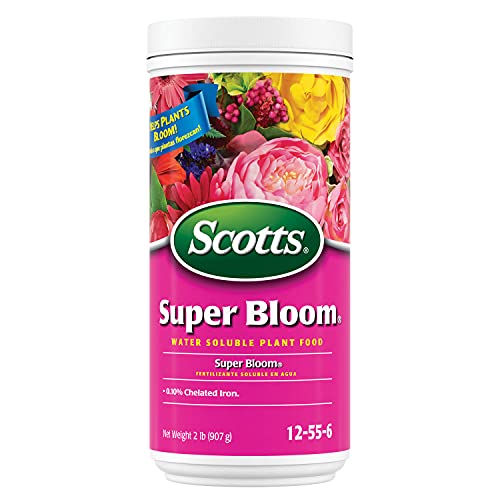
Scotts Super Bloom is a high-phosphorus, water-soluble formula designed to support flowering plants, including lilacs. The product is intended for quick feeding; the label recommends regular applications every 1-2 weeks during active growth to maintain bloom development. It’s suitable for outdoor beds, containers, and mixed borders. Because it’s water-soluble, uptake is rapid, yielding faster visible effects. Follow the recommended dosing frequency to help lilacs produce robust flower clusters while keeping foliage healthy.
MIRACLE-GRO SHAKE ‘N FEED FLOWERING TREES AND SHRUBS PLANT FOOD

Miracle-Gro Shake ‘N Feed Flowering Trees & Shrubs Plant Food is specially formulated to nourish flowering trees and shrubs, including lilacs. This granular formula feeds for up to three months and includes natural ingredients such as kelp, earthworm castings, bone meal, and feather meal. It supports deep green foliage and vibrant blooms, making it a versatile choice for both in-ground gardens and container plantings. Apply in early spring and again as directed on the packaging to sustain bloom cycles and plant vigor throughout the growing season.
SCHULTZ AFRICAN VIOLET PLUS PLANT FOOD 8-14-9

Schultz African Violet Plus Plant Food is designed for blooming plants and can be used on lilacs in appropriate settings. While marketed for African Violets, the 8-14-9 formula emphasizes phosphorus to support flowering and overall plant vigor. For lilacs, apply according to the label’s feeding intervals and avoid over-fertilization, which can promote excessive leaf growth at the expense of blooms. This option is best used as part of a broader feeding plan that prioritizes bloom production.
MIRACLE-GRO WATER SOLUBLE ALL PURPOSE PLANT FOOD

Miracle-Gro Water Soluble All Purpose Plant Food provides broad-spectrum nutrition for a variety of plants, including flowering shrubs like lilacs. This formula is designed to be dissolved in water and fed through a watering schedule. It offers quick-release nutrients to support growth, flowering, and foliage health. Regular feeding every 1-2 weeks during the growing season can help lilacs produce more robust blossoms, provided the concentration is kept within label guidelines to prevent fertilizer burn.
Buying Guide
- Feeding stage: Lilacs benefit from phosphorus-rich formulas during bloom development. Look for products labeled for flowering shrubs or specific lilac feeds to maximize bloom production.
- Application method: Liquid feeds provide rapid uptake, while granular feeds offer longer-term nourishment. Choose based on garden size, container status, and maintenance preferences.
- Frequency and dosage: Follow the product label for frequency (weekly vs. monthly) and dilution rates. Over-fertilization can lead to lush foliage with fewer blooms or root damage.
- Soil and water considerations: Lilacs prefer well-drained soil with slightly alkaline to neutral pH. Ensure consistent moisture but avoid waterlogging, especially with high-nitrogen feeds.
- Compatibility: If lilacs are planted with other acid-loving plants, consider a balanced all-purpose formula or split feeding between high-phosphorus bloom-focused and general nutrition.
- Avoid mixing brands: For consistent results, some gardeners prefer sticking with one brand to maintain uniform nutrient delivery, though blending can be appropriate when done carefully per label instructions.
- Container vs. in-ground: Container lilacs require more frequent feeding and careful dilution, while in-ground lilacs may benefit from slower-release options and seasonal adjustments.
- Observing signs: Yellowing leaves, poor flowering, or stunted growth may indicate nutrient imbalances or root issues. Adjust feeding schedule or soil amendments accordingly.