Best Fertilizer for Mulberry Trees: Top 5 Picks for Healthier Fruit
Mulberry trees thrive with steady, balanced nutrition that supports root growth, foliar health, and abundant fruiting. The right fertilizer can tailor feed to mulberry needs, whether you’re orcharding, landscaping, or growing a few trees in containers. Below are five select products commonly used by mulberry keepers, chosen for performance, slow-release formulations, and compatibility with berry, fruit, and nut trees. Each option targets steady nutrient delivery to promote robust growth and fruit production.
Summary Table of Selected Products
- Mulberry Fuel Fruit Plant Fertilizer by Wellspring Gardens — 20-6-9 slow-release
- TreeHelp Premium Fertilizer for Mulberry — targeted mulch for trees
- Miracle-Gro Tree & Shrub Plant Food Spikes — root-placed nutrients
- Jobe’s Organics Granular Garden Fertilizer — organic 3-5-5 NPK
- TPS NUTRIENTS Arborvitae Tree Fertilizer — kelp and micronutrients
Mulberry Fuel: Slow-Release Fertilizer For Berries

The Wellspring Gardens Mulberry Fuel is a 20-6-9 slow-release formula designed to feed plants over time. It emphasizes steady nutrition to support mulberry development, berry formation, and overall tree health. This product is particularly suitable for mulberries and can also benefit related fruit crops, including certain berries and stone fruits. The packaging is resealable for convenient, repeated applications through the growing season.
Key features include a balanced mineral profile that supports steady growth without spikes. Slow-release granules help minimize nutrient runoff and reduce the need for frequent applications. For mulberries planted in containers or beds, this fertilizer can contribute to consistent vigor and fruit quality when applied according to label directions. While not organic, its nutrient mix is formatted to support long-term tree health and fruit production.
Application notes: follow label guidance for timing, typically aligning with early spring growth and post-harvest recovery. For best results, integrate with proper watering and soil management practices to maximize nutrient uptake and root health.
TreeHelp Premium Fertilizer For Mulberry
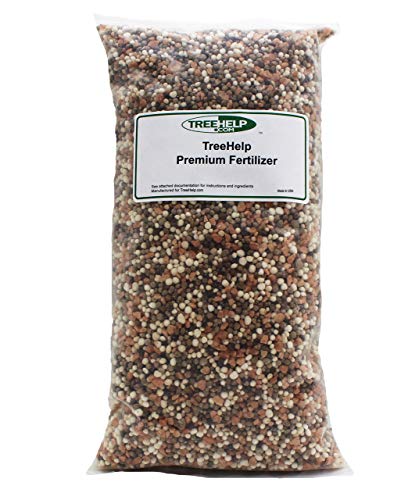
TreeHelp’s premium formula is specifically marketed for mulberry trees, with a focus on long-term vitality through robust root development. A roughly 3-pound bag is described as a suitable starting point for mulberry applications, supporting tree resilience and sustained growth. This product emphasizes rooted nourishment that translates into healthier foliage and improved fruit set over time.
Features point to a well-rounded approach: the product aims to strengthen root systems, which is critical for fruit-bearing trees like mulberries. Its formulation targets ongoing vitality rather than a single season’s boost, aligning with growers looking for lasting soil-building benefits. For containers or small yards, applying according to directions can contribute to steady growth without sudden nutrient surges.
Considerations: verify soil pH compatibility and ensure even distribution around the drip line. Pair with adequate irrigation to prevent nutrient buildup and to help roots access essential elements. This option is suitable for mulberries in various climates and soil types when used as part of a balanced fertilization plan.
Miracle-Gro Tree And Shrub Plant Food Spikes

Miracle-Gro Tree & Shrub Plant Food Spikes deliver nutrients directly to a tree’s roots, simplifying feeding for deciduous, flowering, and evergreen trees. The product is designed to support vibrant color and foliage while feeding through the root zone, aligning with mulberry cultivation strategies that favor steady nutrient availability from the soil rather than surface applications. This presentation is particularly convenient for homeowners seeking minimal maintenance.
Twist-and-stick design allows for placement around the tree canopy projection, reducing the need for surface broadcasting. Spikes are typically long-lasting and can contribute to durable growth across multiple seasons when used as part of a regular feeding routine. For mulberries, consider integrating with seasonal pruning and moisture management to optimize fruiting potential.
Note: Root-centric feeding may complement soil with adequate organic matter. For best results, monitor soil conditions and align spike insertions with plant growth cycles and local climate patterns.
Jobe’s Organics Granular Fertilizer For Fruit And Nut Plants

Jobe’s Organics Granular Fertilizer is an OMRI-listed organic option formulated with a 3-5-5 NPK ratio. It’s designed to avoid runoff while providing essential nutrients to fruit and nut plants and trees. This granulated formula emphasizes sustainable gardening practices and is suitable for organic-friendly mulberry cultivation. The product’s emphasis on reduced waste and environmental compatibility makes it attractive to gardeners seeking an eco-conscious feeding regimen.
The 4-pound bag offers a practical quantity for home orchards or multiple trees, with a focus on delivering consistent nutrition to support fruit development and foliage health. As with all granular fertilizers, even application and consistent irrigation improve nutrient uptake. For mulberries, align feed cycles with watering schedules and leaf flush periods to maximize benefits.
Usage guidance: apply as directed, spread evenly within the root zone, and water thoroughly after application to begin nutrient release.
TPS NUTRIENTS Arborvitae Tree Fertilizer

This liquid plant food targets evergreen shrubs and conifers, with kelp and micronutrients designed to boost vitality. While marketed for arborvitae and similar evergreens, its nutrient profile—iron, magnesium, zinc, and manganese—can support mulberry trees by reinforcing root strength and foliage health. The 32-ounce bottle is convenient for larger trees or multiple plants and offers a quick-release liquid form to complement soil-based feeds.
Considerations include ensuring proper dilution and application around the tree’s drip line. Liquid fertilizers tend to act more rapidly than granular options, so schedule applications to avoid nutrient overload and to coordinate with rainfall or watering cycles. This product may suit mulberries in need of a nutrient boost during periods of rapid leaf growth or stress recovery.
Buying Guide: Key Purchase Considerations For Mulberry Fertilizers
- NPK ratio and release type: Mulberry trees benefit from balanced NPK and a steady release, which supports root growth, foliar health, and fruiting over time. Slow-release granules reduce runoff and provide ongoing nutrition, while liquids offer quicker uptake in stressed trees.
- Organic vs. synthetic: Organic options (like Jobe’s Organics) align with organic gardening goals and may be preferred in edible landscapes. Synthetic blends can provide precise nutrient ratios but may require more careful monitoring to avoid over-fertilization.
- Application method: Spikes, granules, and liquids each have pros and cons. Spikes target the root zone for deep feeding, granules must be evenly spread and watered in, and liquids can be faster-acting but require regular scheduling.
- Soil and site considerations: Mulberry trees prefer well-drained soil with adequate organic matter. Test soil pH and adjust as needed; mulberries tolerate a range but often perform best in slightly acidic to neutral soil.
- Container vs. ground plantings: Container trees require more frequent, smaller feedings due to limited soil volume. Ground-planted trees may benefit from seasonal adjustments aligned with growth stages.
- Climate and irrigation: In drought-prone areas, ensure that fertilization is paired with proper irrigation to prevent salt buildup. In temperate zones, coordinate feeding with spring growth and post-harvest recovery.
- Safety and labels: Always follow label directions for application rates and timing. OMRI-listed products meet organic standards, while synthetic blends should be used with care to protect beneficial soil organisms.
Notes On Using Fertilizers For Mulberry Trees
Mulberry trees respond best to consistent care rather than sporadic boosts. Combine fertilization with proper pruning, irrigation, and weed management. For new plantings, avoid heavy feeding during dormancy; instead, plan feedings for the spring flush and early fruit development period. Regular soil checks and timely water management will help maximize nutrient uptake and fruit yield.