Best Fertilizer for Pecan Trees: Top Picks for Healthy Yields
Choosing the right fertilizer is essential for pecan tree health, nut production, and long-term vigor. This guide highlights five highly relevant options that balance nitrogen, phosphorus, potassium, and micronutrients like zinc to support robust growth, rosette prevention, and fruit development. Each entry includes key features, usage notes, and how it can fit into a seasonal feeding plan. Whether you’re managing a backyard orchard or a small commercial setup, the following products are designed to boost tree health while minimizing risk to the soil and environment.
| Product | Brand | NPK (Approx.) | Key Benefit |
|---|---|---|---|
| SouthernGRO Pecan & Fruit Tree Fertilizer 10lb | SouthernGRO | 12-04-04 | Supports fruit production and overall growth |
| Carl Pool Pecan Special Fertilizer 18-6-6 | Carl Pool | 18-6-6 | Balanced feeding for all pecan varieties |
| Hi-Yield Zinc Sulfate (4 lbs.) | Hi-Yield | — | Prevents zinc deficiencies and rosette-related deformities |
| TreeHelp Premium Fertilizer for Pecan | TreeHelp | — | Long-term vitality through rooted growth |
| Ferti-Lome Fruit, Citrus & Pecan Tree Food 19-10-5 | ferti-lome | 19-10-5 | Specialized for fruit, citrus, and nut trees |
SouthernGRO Pecan & Fruit Tree Fertilizer 10lb

The SouthernGRO Pecan & Fruit Tree Fertilizer delivers a reliable 12-04-04 mix designed to nourish pecan trees and fruit varieties. It supports vegetative growth while driving fruit production and quality. The inclusion of essential nutrients helps strengthen root systems and overall tree vigor, promoting better resilience to seasonal stressors. This formulation is particularly useful for established pecan trees that require steady, balanced nutrition throughout the growing season. For best results, apply during the active growing periods according to package directions and water thoroughly after application.
Carl Pool Pecan Special Fertilizer 18-6-6
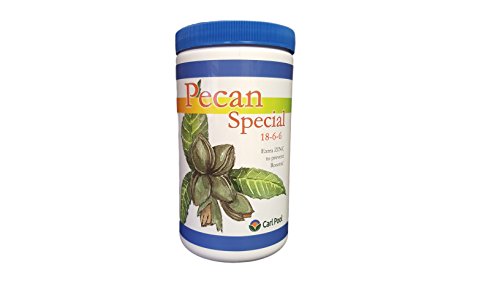
The Carl Pool Pecan Special Fertilizer is a high-nitrogen option at 18-6-6, designed to fuel early-season growth and canopy development. It’s described as ideal for all pecan varieties and supports feeding for both fruit and nut trees. The product’s formulation emphasizes zinc and micronutrients to mitigate rosette disease, a common concern for pecans. Applicability spans established orchards to young trees in heavy-bearing zones. Apply per label timing and rates, ensuring even soil distribution and adequate watering to maximize nutrient uptake.
Hi-Yield Zinc Sulfate (4 lbs.)

Hi-Yield Zinc Sulfate provides a concentrated zinc source combined with sulfur, addressing zinc deficiencies that can lead to rosette deformities in pecan fruits. Zinc is crucial for enzyme activity and fruit set, making this product a valuable supplement in soils with zinc-poor or highly leached profiles. While not a complete fertilizer on its own, zinc sulfate is commonly applied as a targeted amendment, often alongside a primary NPK fertilizer. Follow label instructions to avoid over-application, and consider soil tests to tailor timing and dosage to your pecan variety and soil chemistry.
TreeHelp Premium Fertilizer for Pecan
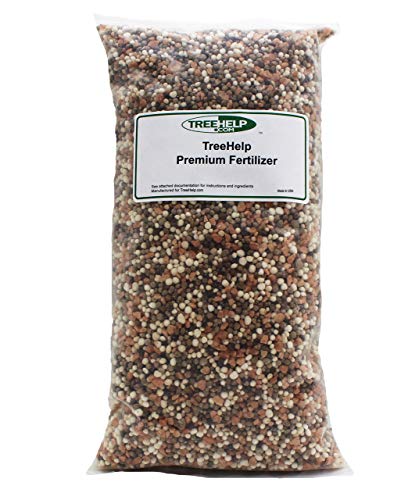
TreeHelp Premium Fertilizer is marketed specifically for pecans, with emphasis on long-term vitality through robust root development. This formulation focuses on supporting establishment and sustained growth, which can be particularly beneficial for younger trees or trees recovering from stress. While detailed NPK values aren’t listed in the product name, users should expect a balanced mix designed for tree health and productivity. Apply during the growing season, monitor soil moisture, and use as part of an integrated care plan that includes proper watering and pruning.
Ferti-Lome Fruit, Citrus & Pecan Tree Food 19-10-5
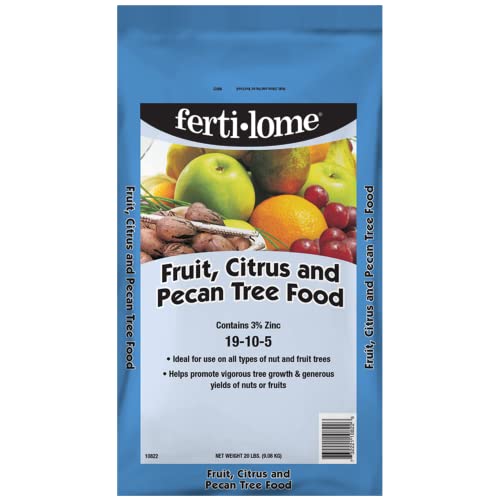
Ferti-Lome’s 19-10-5 formula is designed as a specialized tree food for fruit, citrus, and pecan trees, incorporating zinc to help control Rosette in pecans. This balanced blend supports both vegetative growth and fruit production, with a nutrient profile that favors orchard-scale or multi-tree setups. It’s suitable for a broad range of tree types but is particularly aligned with mixed-use landscapes. Follow application guidelines to ensure even distribution and avoid over-fertilization, especially in small garden beds where root zones are concentrated.
Buying Guide: Key Purchase Considerations And Comparisons
When selecting a pecan tree fertilizer, consider nutrient balance, timing, and tree maturity. The most important factors include:
- NPK Ratio: Higher nitrogen promotes growth, while balanced blends (like 18-6-6) support steady canopy development. For older trees, a mix with lower nitrogen and more potassium and phosphorus can enhance fruiting without excessive vegetative growth.
- Micronutrients: Zinc is critical for pecans to prevent rosette and improve fruit quality. Look for products that include zinc or are designed to be used with a zinc supplement if soil tests indicate deficiency.
- Soil Type and pH: Sandy or acidic soils may require different blends than clay-rich soils. Conduct a soil test to tailor your fertilizer choice and avoid toxicity.
- Application Timing: Apply fertilizers during the growing season, aligning with bud break and active root growth. Avoid late-season feeds in regions with frost risk to prevent new growth that may be damaged by cold.
- Delivery Method: Granular blends provide slow, steady release; soluble formulas offer quick uptake. Decide whether you prefer root zone application, slow-release layering, or a combined approach.
- Rosette Management: Pins attention to zinc content, especially in soils prone to rosette. Some products explicitly target rosette prevention, while others can be paired with a zinc supplement.
- Tree Age And Size: Young trees need lighter, more frequent feedings, while mature trees benefit from larger, less frequent applications. Follow label directions for rate per diameter or age class.
- Organic vs Synthetic: Organic options may provide slower nutrient release but improve long-term soil health, while synthetic blends can deliver precise NPK values for predictable results. Choose based on goals and soil biology.
- Environmental And Safety Considerations: Handle fertilizers with care, follow cleanup guidelines, and store in a dry, secure place away from children and pets. Consider soil-borne disease pressure and irrigation practices to prevent nutrient runoff.
In summary, the best fertilizer choice varies with your pecan variety, soil chemistry, and orchard goals. A combination strategy often yields the most consistent results: a balanced base fertilizer during active growth, supplemented with zinc if tests show deficiency, and periodic soil monitoring to adjust the plan as trees mature. By aligning product choices with these considerations, you can optimize nut production while sustaining soil health for years to come.