Best Fertilizer for Peony: Top Picks for Bigger Blooms and Stronger Plants
Peonies reward gardeners with spectacular blooms and lush foliage, but they need balanced nutrition to reach their full potential. The right fertilizer supports bigger flowers, stronger stems, and healthy roots without risking burn or foliage problems. Below, you’ll find five well-rounded options tailored to peony care, spanning liquid feeds, water-soluble formulas, and slow-release blends. Each product aligns with common peony needs—stable phosphorus for blooms, adequate nitrogen for growth, and micronutrients for overall plant health. Read on to compare features and find the best match for your peony garden.
Summary of chosen products:
| Product | Brand | Type | Key Benefit |
|---|---|---|---|
| Peony Fertilizer for Peony Flowers | TPS NUTRIENTS | Liquid | Boosts blooms, stronger stems, deeper roots |
| Espoma Organic Bulb-Tone | Espoma | Organic | Slow-release for bulbs and spring flowering |
| Osmocote Smart-Release Plant Food Plus | Osmocote | Slow-release | Feeds up to 6 months, versatile |
| Cz Garden 4-10-10 | Cz Garden Supply | All-purpose | Vigorous growth and bigger blooms |
| Miracle-Gro Water Soluble All Purpose Plant Food | Miracle-Gro | Liquid | Instant feeding for rapid results |
The following product sections present concise, objective details to help you choose the best option for your peonies. Each entry includes a clickable link to the product page and a visual image for quick reference.
TPS Peony Fertilizer for Peony Flowers

TPS NUTRIENTS markets a liquid fertilizer formulated specifically for peonies, spanning herbaceous and tree varieties. The product aims to deliver more substantial blooms, sturdier stems, and deeper, more resilient root systems. Its liquid format supports rapid uptake, making it suitable for quick interventions during peak blooming windows or periods of stress. For peony enthusiasts seeking a targeted option, this formula emphasizes compatibility with the plant’s growth cycle and a straightforward feeding routine that can be implemented with regular garden care.
Miracle-Gro Water Soluble All Purpose Plant Food
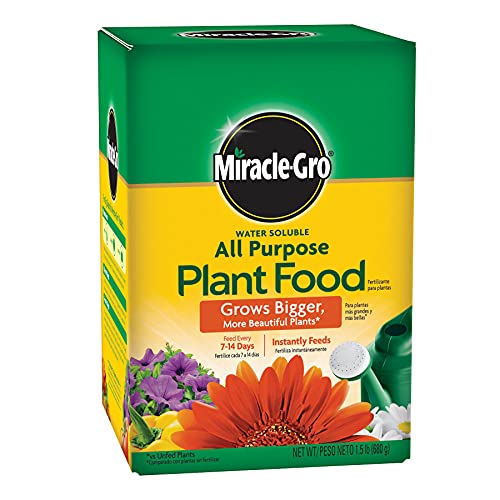
This all-purpose water-soluble formula supports a wide range of plants, including roses, flowers, vegetables, and trees. For peonies, it provides readily available nutrients with fast-acting results, helping established plants sustain vibrant blooms during the growing season. The product’s balanced NPK ratio (as advertised) promotes steady vegetative growth and flowering, making it a versatile choice for gardeners who grow many plant types in a mixed bed or border.
Espoma Organic Bulb-Tone 3-5-3

Espoma Bulb-Tone is an organic option designed for bulbs and spring-flowering plants, with a 3-5-3 analysis and 6% calcium. While peonies are not true “bulbs,” they benefit from a slow-release nutrient source that feeds through the season, encouraging robust blooms and healthy root systems. Its Bio-tone formula supports microbial activity in the soil, contributing to better nutrient availability over time and reducing the risk of fertilizer burn compared with some quick-release products.
Osmocote Smart-Release Plant Food Plus Outdoor & Indoor

Osmocote’s slow-release formula is designed to feed plants for up to six months, with 11 essential nutrients. Its versatility makes it a reliable choice for peonies in various conditions, including containers and in-ground beds. The gradual nutrient release helps maintain steady growth, supports blooming cycles, and minimizes the risk of nutrient burn, a common concern with heavier-feeding products.
Cz Garden 4-10-10 Bulb and Bloom Fertilizer

The Cz Garden 4-10-10 formula emphasizes a higher phosphorus and potassium balance, promoting vigorous growth and larger blooms in flowering plants and bulbs. Its slow-release characteristics reduce burn risk while supplying consistent nutrition over time. This is a practical choice for border plantings and mixed flower beds where peonies share space with other perennial companions.
Farmer’s Secret Fruit & Bloom Booster (note: not peony-specific)

While marketed for broader fruit and bloom applications, this product illustrates how concentrated formulas can boost flowering and yield in a wide range of plants. For peonies, it’s important to follow label directions and dilute properly to avoid over-fertilizing. Use this option only if you seek a highly concentrated blend and have experience with targeted dilution rates in your garden routine.
Buying Guide: Key Purchase Considerations for Peonies
When choosing a fertilizer for peonies, consider the plant’s growth stage, soil health, and your garden setup. Peonies prefer a balanced approach that supports bloom formation and root establishment without encouraging excessive top growth at the expense of flowers. Look for formulations with:
- Balanced N-P-K ratios: A modest phosphorus level (P) supports flowering, while adequate nitrogen (N) promotes sturdy growth and healthy foliage.
- Organic options: For long-term soil health, organic blends with micronutrients and soil-life enhancers can improve nutrient availability over time.
- Slow-release vs. liquid: Slow-release blends reduce the risk of fertilizer burn and require fewer applications, while liquid feeds provide rapid results during peak blooming or stress periods.
- Soil compatibility: If your soil is already rich in phosphorus or you have clay-heavy soil, tailor the choice to avoid excess phosphorus or salt buildup.
- Application timing: Apply in early spring as new growth emerges, and reapply according to product directions through the growing season to sustain flowering.
- Container considerations: For potted peonies, choose a balanced fertilizer with careful dosing to prevent salt buildup in limited soil volume.
In practice, a mixed approach can work well: a slow-release base fertilizer in early spring to establish roots and ongoing liquid or water-soluble feeds during active bloom periods to maximize flower size and color. Always follow label directions and test soil periodically to adapt your feeding plan to the peony’s needs and local conditions.
Peonies are long-lived perennials that repay thoughtful care. By selecting a fertilizer that provides steady nutrition and aligns with your growing method—whether in-ground beds, borders, or containers—you can enjoy consistently vibrant blooms across the season and beyond.