Best Flowers for Zone 6: Vibrant Picks for a Year-Round Garden
Zone 6 gardens enjoy a broad growing window, with milder springs and crisp falls. The right flowers combine color, pollinator value, and low maintenance to thrive across these seasons. Below are five carefully chosen options that perform well in Zone 6, from tall Lupine spikes to evergreen Camellias and diverse wildflower mixes. Each profile includes key features to help you compare at a glance and plan a cohesive display.
| Product | Why It Fits Zone 6 | Key Benefit |
|---|---|---|
| Seeds Multicolor Tall Lupine Mix | Height up to 3 ft; tolerates variable soils | Pollinator-friendly color on tall spikes |
| Eden Brothers Partial Shade Wildflower Mix | Thrives in partial shade zones 3-10 | Mixed bloom colors for year-round habitat |
| Eden Brothers Michigan Wildflower Mix | Designed for diverse zones including 6 | 25+ species for variety and resilience |
| Eden Brothers Northeast Wildflower Mix | Zones 3-10; compatible with Zone 6 | Pollinator-friendly, broad ground cover |
| April Tryst Camellia (3 Gal) | Zones 6-9; evergreen shrub with year-round interest | Fragrant red blooms in late winter to early spring |
Note: All selections emphasize pollinator appeal, soil adaptability, and seasonal interest to help Zone 6 gardeners build color, structure, and habitat value. Product links lead to Amazon listings for convenience and availability.
Seeds Multicolor Tall Lupine Mix

Tall Multicolor Lupine spikes deliver dramatic vertical color in pink, purple, yellow, and white, reaching up to three feet. The mix is noted for easy growing and low maintenance, suiting beginner gardeners. It tolerates poorer soils and establishes with minimal care. Lupines attract butterflies, bees, and other pollinators, supporting garden health and biodiversity in Zone 6 landscapes.
Eden Brothers Partial Shade Wildflower Mixed Seeds

This 1/4 lb mix includes 27 easy-to-grow species like Sweet William, Foxglove, Coreopsis, and more. It aims to cover 250–500 square feet with a vibrant blend suitable for Zones 3–10, including Zone 6. The seeds are non-GMO with no fillers, designed to attract bees, butterflies, and hummingbirds. Partial shade compatibility makes it a flexible option for woodland edges or underdappled beds.
Eden Brothers Michigan Wildflower Mixed Seeds

Designed to deliver a broad ground cover with up to 300 square feet of bloom space, this mix includes perennial and annual varieties tailored for Zones 3–10, including Zone 6. With 25+ species such as Lupine, Coreopsis, and Cosmos, it provides long-lasting color while supporting pollinators. The mix emphasizes non-GMO seeds and ease of cultivation for varied soils.
2 Jasmine Plants Live (Indoor) – AKTRD
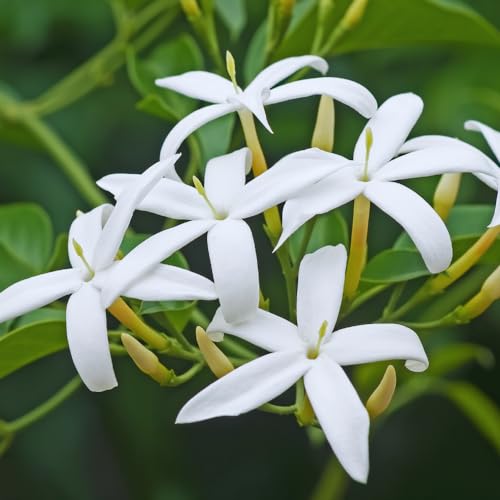
Note: This listing includes Jasmine plants intended for indoor growth; while not a typical Zone 6 outdoor option, Jasmine can offer fragrant foliage when grown in appropriate microclimates or containers inside Zone 6 homes. For outdoor Zone 6 gardens, prefer hardy shrubs or perennials that tolerate local conditions.
April Tryst Camellia (3 Gal)

April Tryst is an evergreen Camellia Japonica with showy red flowers and glossy foliage, thriving in Zones 6–9. These 3-gallon plants prefer partial shade and acidic, well-drained soil. They provide winter-to-spring color and structure, offering a standout specimen for shaded or woodland-edge areas in Zone 6 landscapes.
Buying Guide: Zone 6 Floral Investments
- Seasonal balance: Choose a mix of spring, summer, and late-season bloomers to extend color and pollinator activity across the growing season in Zone 6.
- Light and soil needs: Zone 6 gardens vary in sunlight. Incorporate partial shade-tolerant mixes (like the Eden Brothers Partial Shade Wildflower Mix) alongside sun-loving perennials (such as Lupine) to maximize success in diverse spots.
- Pollinator value: Prioritize varieties with nectar-rich blooms to support bees, butterflies, and other pollinators critical to productive home gardens.
- Soil resilience: Many mixes are designed to tolerate imperfect soils. If your soil is heavy clay or sandy, amend with compost and monitor moisture to establish strong roots.
- Plant structure: Combine vertical statements (Lupine) with mid-height perennials and evergreen shrubs (Camellia) for a layered, year-round landscape.
- Water strategy: Establish deep, infrequent watering for perennials, with more regular watering during establishment. Mulch helps conserve moisture and reduces weed pressure.
- Maintenance expectations: Some wildflower mixes include annuals and perennials; plan for year-to-year color changes and seed-saving where appropriate.
- Container-friendly options: If space is limited, consider Camellia or compact perennials in large containers, ensuring adequate drainage and winter protection in Zone 6.
- Plant timing: For Zone 6, sow cool-season seeds in early spring or fall for best germination. Use bloom calendars to align plantings with expected frosts and milder springs.
- Diversity and aesthetics: A curated blend of colors, textures, and bloom times creates visual interest and reduces overall pest pressure by supporting diverse pollinators.