Best Foam for Cooler Insulation: Top Picks for Efficient Cold Preservation
Choosing the right foam-based insulation can dramatically improve how long perishable items stay cold during transport or storage. The products below highlight a mix of reflective foils, foam-core barriers, spray foams, and reusable insulated boxes. Each item is selected for durability, ease of use, and effectiveness in blocking heat transfer. Whether you’re insulating windows, coolers, or packaging shipments, these options offer reliable performance for American households and businesses.
Summary Of Featured Products
| Product | Brand | Key Benefit |
|---|---|---|
| DGSL Double Reflective Bubble Foil Insulation Foam | DGSL | Reflective aluminum layers with bubble core for windows and doors |
| SmartSHIELD Reflective Insulation Roll | INSULATION MARKETPLACE | 3mm foam core with dual reflective foil for radiant barrier |
| Loctite Tite Foam Gaps & Cracks | Loctite | Expanding polyurethane foam for sealing gaps |
| Tite Foam Big Gaps | Loctite | Expanded sealing for larger gaps |
| Polar Tech Thermo Chill Insulated Carton | Polar Tech | Insulated foam carton for shipping |
DGSL Double Reflective Bubble Foil Insulation Foam

DGSL’s reflective bubble foil insulation is designed for versatility across windows, garages, RVs, and roofs. Weighing about 200 g for a 10.76 sq ft section, this foil roll combines aluminum layers with a bubble core to offer a radiant barrier that helps block summer heat and preserve warmth in winter. Its durability stems from a dual aluminum surface that resists scratches and stands up to long-term use. The product is available in multiple sizes to match varied insulation needs, making it a practical option for DIY projects and retrofits where temperature control matters.
SmartSHIELD -3mm Reflective Insulation Roll
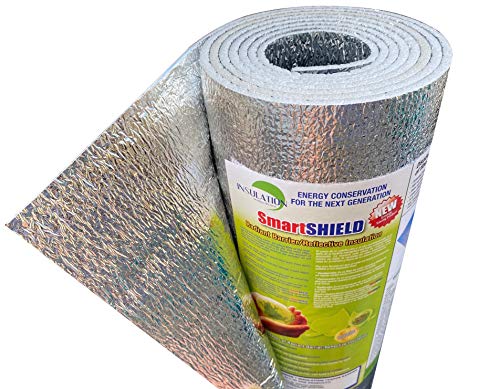
The INSULATION MARKETPLACE SmartSHIELD uses a 3mm closed-cell polyethylene foam core sandwiched between highly reflective engineered foil on both sides. This construction yields a robust radiant barrier with low moisture permeability, making it suitable for indoor and outdoor use. The foam core adds structural rigidity while maintaining a lighter profile, enabling easy cutting and installation. The product is designed to reflect up to 95% of radiant energy, contributing to effective temperature management in varied environments while remaining relatively simple to install and maintain.
Loctite Tite Foam Gaps & Cracks Sealant

Loctite Tite Foam Gaps & Cracks is a polyurethane expanding foam designed to fill and insulate gaps up to 1 inch. It offers high-density foam with a uniform cell structure that resists UV rays, contributing to long-lasting insulation in remodeling projects. The foam expands to seal irregular spaces, helping to reduce drafts around doors, windows, and other openings where heat transfer can occur. While not a direct reflective insulation, this product excels in practical sealing to minimize environmental loss and improve overall energy efficiency.
Loctite Tite Foam Big Gaps

This Loctite option targets larger gaps up to 3 inches, providing high-density foam with a uniform cell structure for durable insulation. The product offers strong flexibility to accommodate building movement without losing its seal, which helps prevent heat transfer in structural concerns such as framing joints and larger cracks. It serves as a practical complement to reflective films by addressing leak points that foil insulation alone may not fully cover.
Polar Tech 245C Thermo Chill Insulated Carton

The Polar Tech Thermo Chill insulated carton is designed for shipping perishable and temperature-sensitive items. Its construction emphasizes superior insulation, durability, and recyclability. The medium carton measures 17″ by 10″ by 8-1/4″ and is suitable for 24- to 72-hour shipments when paired with appropriate cooling elements. The system offers a reliable option for keeping contents within a controlled temperature range during transport or storage, aligning with recycling-friendly packaging practices.
Blank Thick Foam Old School Can Cooler (2 Pack)

This traditional 3/8-inch thick foam can cooler offers robust insulation for 12 oz cans, featuring a full bottom with a vent hole for easy handling and removal. The retro style pairs practical insulation with a familiar design that remains functional for everyday use, especially in warmer environments where a reliable cooler interior helps maintain beverage temperature. It serves as a convenient, reusable option for personal cooling needs and small-scale applications.
YIJUHOU Foam Tape for Window Insulation

YIJUHOU offers an open-cell foam tape with high resilience and moisture resistance for weatherproofing windows and doors. The kit includes two rolls totaling 11 feet, designed to reduce drafts and cool air loss. It features a strong one-sided adhesive that adheres to various materials, making it a practical companion to heavier insulation options by sealing gaps around frames and seams. The tape’s flexible foam helps maintain a stable interior temperature with minimal effort.
Insulated Cold Shipping Box With Foam Cooler

The EPE USA theBOXcold insulated shipping box is designed for multiple-use cold shipping. Made with durable PP components, it offers stronger insulation than standard styrofoam coolers and is recyclable. Its design supports 24- to 72-hour shipments and is compatible with dry ice for extended cooling. The box’s reusable nature aligns with eco-conscious packaging practices, providing a sustainable option for safe transport of temperature-sensitive items like pharmaceuticals and perishable foods.
Buying Guide: Key Considerations For Foam Insulation Selection
- Insulation Type: Reflective foil with bubble or foam cores provide radiant barriers, while polyurethane sprays and foams seal gaps to prevent heat transfer. Combine types for best results in varied environments.
- Application Area: Window and door retrofits benefit from reflective foils; sealed gaps around cabinets, ducts, and rooms benefit from foam sealants; shipping applications benefit from insulated cartons or foam-lined boxes.
- Environmental Resistance: Consider moisture tolerance, UV resistance, and temperature range. Closed-cell foams typically resist moisture better than open-cell foams.
- Durability & Reusability: Reusable insulated boxes and durable reflective foils suit long-term use and eco-friendly goals. Check for recyclability where possible.
- Ease of Installation: Look for cut-and-fit options, adhesive-backed tapes, and spray foams that match your DIY skill level and project size.
- Cost vs. Benefit: While some products are premium options, their durability and sealing capability can reduce energy losses and shipping costs over time.
- Safety & Materials: Choose non-toxic, low-VOC foams and tapes for indoor use. Verify compatibility with existing materials to avoid damage.
- Packaging & Use Case: For shipping, prioritize cartons with proven insulation performance and seal integrity. For home use, prioritize simple application and clean-up.
In summary, a layered approach often yields the best results: reflective foils to reduce radiant heat, foam seals to block drafts and gaps, and sturdy insulated containers for shipping and storage. The selection above covers a spectrum of common insulation needs, enabling practical, durable, and reusable solutions for cooler insulation in various settings.