Best Ground Cover for Sandy Soil and How to Use It Effectively
Sandy soils pose drainage and nutrient-retention challenges for American gardens. The right ground cover can stabilize soil, reduce erosion, improve appearance, and help maintain moisture. This guide highlights practical ground cover options and related amendments that work well in sandy conditions. Below you’ll find five products chosen for compatibility with sandy soil, plus a buying guide to help you compare options based on climate, maintenance, and long-term soil health.
Summary of Selected Products
- Mosser Lee ML1112 Black Sand Soil Cover, 5 lb. — decorative soil cover for potted plants and terrariums
- Mosser Lee ML1111 White Sand Soil Cover, 5 lb. — decorative soil cover for clear containers
- 1000+ Hairy Vetch Cover Crop Seeds Winter Hardy — rapid ground cover that grows through sandy soils
- LakeDew Biochar Lawn Fertilizer 16‑0‑8 — soil amendment for moisture retention and microbial boost
- Lawnbox Soil Saver 100% Organic Gypsum and Humic Acid — soil amendment to loosen compacted, sandy soils
Mosser Lee Black Sand Soil Cover

The Mosser Lee ML1112 Black Sand Soil Cover is designed to improve the appearance of soil in decorative containers and terrariums. While primarily used for aesthetics, it acts as a ground cover on sandy mixes by creating a uniform layer that hides bare sand and reduces surface evaporation. It also helps with moisture management in display containers and pots where decorative coverage is preferred. When used in outdoor sandy beds, it can provide a visual mulch layer, though it should be paired with a live ground cover for substantial erosion control. This product is ideal for indoor use and decorative planters in sandy substrates.
Mosser Lee White Sand Soil Cover

The Mosser Lee ML1111 White Sand Soil Cover provides a light, decorative layer over sandy soil in containers and terrariums. It offers a bright contrast that can visually enhance plant displays while reducing surface sun exposure and evaporation in hot climates. Like its black counterpart, this product is best used in decorative settings or as a top-dressing in mixed sand gardens where aesthetic considerations are paramount. For outdoor sandy beds, combine with a living ground cover to improve soil health and weed suppression.
1000+ Hairy Vetch Cover Crop Seeds

Hairy vetch is a hardy cover crop suited for sandy soils. The 1000+ Hairy Vetch Seeds offer rapid, dense growth that forms a thick living mulch, blocking sunlight to weed seeds and reducing erosion on sandy beds. It tolerates cold winters and adapts to poor, acidic, or sandy soils. This option is ideal for new garden areas or between crops where long-term soil structure and moisture retention are desired. It provides weed suppression, builds soil organic matter, and supports beneficial soil microbes as it establishes.
LakeDew Biochar Lawn Fertilizer
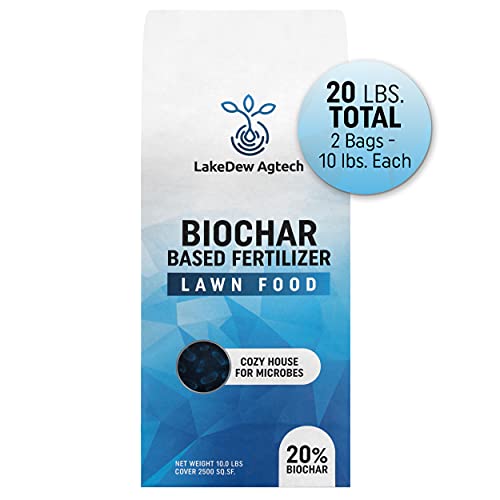
LakeDew Biochar Lawn Fertilizer combines biochar with 16‑0‑8 nutrients to support sandy soils. Biochar helps retain moisture, reduces nutrient leaching, and creates a favorable microbe-friendly environment. This product is designed for new and existing lawns with sandy soils or patchy growth, providing a long-term improvement in soil structure and water-holding capacity. It’s especially suited for hot, dry climates where moisture management is critical. Application supports deeper root growth and better nutrient availability near the root zone.
Lawnbox Soil Saver

Lawnbox Soil Saver is an organic amendment that blends gypsum and humic acids to loosen hard-packed sandy soils. By improving soil structure, it lowers compaction, enhances drainage, and supports healthier root systems. The product provides essential calcium and sulfur, which can help manage salt and mineral balance in coastal or arid sandy areas. This option is useful for long-term soil health and resilience, especially in landscapes that experience heavy foot traffic or frequent disturbance.
Buying Guide: Ground Cover And Sandy Soil Considerations
- Soil health vs. aesthetics: Decorative covers (like colored sand covers) improve appearance but do not replace a living ground cover for erosion control. Pair decorative layers with living plants or soil amendments for best results.
- Moisture retention: In sandy soils, moisture drains quickly. Consider products that improve water-holding capacity (biochar, humic acids, and gypsum-based amendments) in conjunction with living ground covers.
- Weed suppression: Living ground covers such as hairy vetch provide weed suppression while enriching soil organic matter. Decorative covers offer limited weed control on their own.
- Climate suitability: Cold-t tolerant cover crops may establish during winter in many regions; in warmer areas, choose heat-tolerant variants or seasonal rotations to stabilize soil.
- Soil amendments vs. mulch: Gypsum-based amendments loosen compacted sand and improve nutrient uptake, whereas mulch primarily reduces evaporation and protects against erosion. A combined approach often yields better results.
- Maintenance considerations: Living covers require seasonally appropriate maintenance, including mowing, irrigation, and occasional reseeding. Decorative covers reduce maintenance needs but do not replace living soil improvements over time.
- Container vs. landscape: Some products are designed for containers or terrariums and may not scale to outdoor landscape use. For outdoor sandy beds, prioritize living ground covers and soil amendments.
- Environmental impact: Prefer OMRI-listed organic amendments when possible to support soil life and ecosystem health, especially in edible landscapes or herb gardens.