Best Herbicides for Blackberry Control: Effective Brush Management
Managing blackberry canes and underground roots requires targeted, effective herbicides that kill woody plants without harming nearby grasses. This guide reviews five top products commonly used by landowners, ranchers, and property managers to control blackberry and other brush along fence lines, pastures, and rangeland. Each selection is evaluated for broadleaf and woody plant control, translocation strength, odor, and suitability for different landscapes. Compare options to find the best fit for your site and application plan.
| Product | Brand | Best For | Notes |
|---|---|---|---|
| Dow AgroScience PastureGard HL | Pasturegard | Wooded brush and blackberry | Strong translocation; effective on tough brush |
| Remedy Specialty Herbicide | Remedy Ultra | Pastures, fence rows, brush control | Low odor; versatile in tank mixes |
| PastureGard HL Herbicide 2.5 Gallons | PastureGard HL | Tree and brush control | Multi-species efficacy; large-volume option |
| Quali-Pro EXPEL | Quali-Pro | Tough to kill weeds, sedges | Fast-acting; broad weed targets |
| Pro Brush & Poison Ivy Killer | Liquid Harvest | Woody plants, brush, poison ivy | Contains triclopyr and 2,4-D; flexible timing |
Dow AgroScience PastureGard HL Herbicide
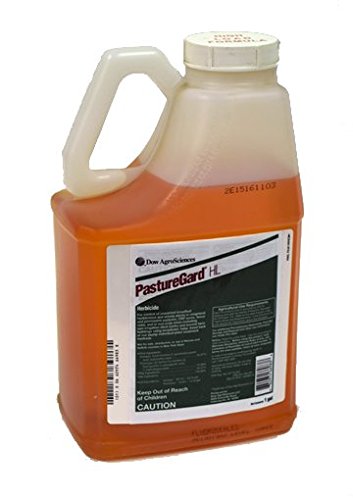
PastureGard HL is a selective herbicide designed for broadleaf and woody plant control in pastures and rangelands. Its translocation system targets woody plants like blackberry, rose, and privet, delivering thorough suppression of difficult brush. The formulation is optimized for autumn and spring applications when blackberry canes are actively growing, contributing to effective long-term control. In addition to blackberry, it shows strong performance against wax myrtle, sweet gum, persimmon, and osage orange, among others. Use patterns typically favor established pastures where brush encroachment is a concern, with attention to plant compatibility and site-specific labeling requirements.
Key considerations: confirm registered states for use, follow labeled rates for blackberry control, and plan for multiple seasons if necessary. The product excels in situations where brush suppression supports livestock or grazing management goals, especially on rangeland edges and fence lines where blackberry commonly thrives. Its strong translocation helps target deep-rooted plants, making it suitable for stubborn blackberry stands that resist foliar sprays alone.
Remedy Specialty Herbicide
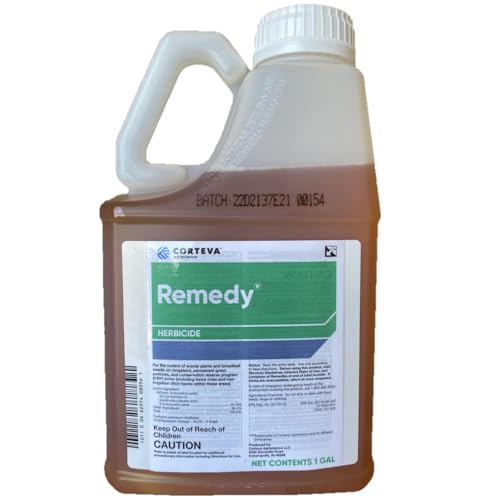
Remedy Ultra is a heightened brush and weed control option designed for pastures, fence lines, and rangeland. It works well against broadleaf and woody growth, including encroaching blackberry, with a focus on root and top growth suppression. The product is noted for its low odor, which helps with application ease in fields and along access corridors. It pairs well with grazing management strategies and can be tank-mixed with other products to broaden weed control while maintaining pasture health. It is particularly suitable for restoration projects where old brush stands are being cleared to reestablish desirable forage.
Considerations include timing for optimal translocation, compatibility with other pasture amendments, and adherence to label usage in your state. Remedy Ultra provides flexibility for long-term brush management and can support fence-line maintenance where blackberry encroachment poses a recurring challenge.
PastureGard HL Herbicide 2.5 Gallons
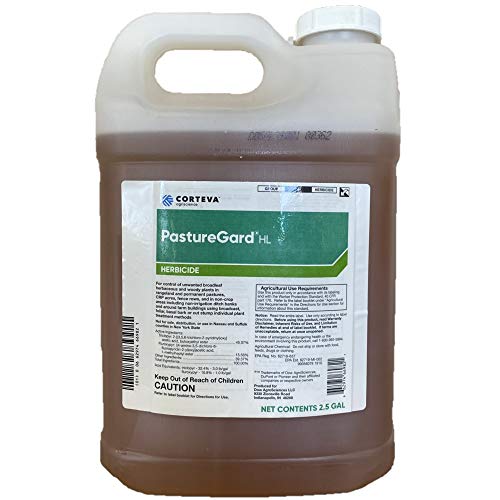
This larger-volume option extends the practical use of PastureGard HL across bigger properties or multiple brush clearing projects. It remains focused on trees, brush, and selected woody species, with blackberry among the targeted plants. The formulation supports weekly or biweekly treatments over sizable areas and is designed to minimize regrowth with consistent application cycles. While delivering robust control of woody weeds, it does not provide soil residual control of new growth after application, so follow-up treatments may be necessary for ongoing brush management in dynamic landscapes.
For landowners with extensive blackberry stands along fence lines or pasture margins, the 2.5-gallon format offers cost-per-acre advantages and reduces the need for frequent reordering, aiding long-term brush suppression plans.
Quali-Pro EXPEL

EXPEL is formulated to tackle tough-to-kill weeds, with capabilities that extend to sedges and other stubborn species. It delivers broad-spectrum control and is designed for residential and commercial sites including athletic fields, sod farms, and golf courses. While its primary emphasis is on sedge and related weeds, it also contributes to overall woody weed suppression when used in appropriate mixes and rotations. The product’s quick action—visible results within 24 hours—helps property managers quickly assess progress in blackberry-heavy areas and adjust treatment plans accordingly.
Usage considerations include site type, weather conditions, and long-term weed management strategy. EXPEL can be part of a diversified approach to blackberry control when integrated with brush-targeted products and grazing plans to minimize regrowth and preserve desirable vegetation where possible.
Pro Brush & Poison Ivy Killer

Pro Brush & Poison Ivy Killer combines triclopyr and 2,4-D to deliver effective post-emergent control of woody plants, brush, and broadleaf weeds. The formula supports flexible timing, allowing treatment during the growing season or dormant periods depending on site conditions. This makes it a strong option for blackberry management along fence lines and edges where brush encroachment is ongoing. The dual-ingredient approach enhances translocation to root systems, contributing to longer-lasting suppression of blackberry stands and associated brush in pasture boundaries and rangeland corridors.
When using this product, follow label directions for surface and foliar applications, and consider seasonality and regrowth cycles to optimize results across multiple treatments.
Buying Guide: Key Purchase Considerations And Comparisons
- Target species: Prioritize products proven to control woody and brush species, especially blackberry, privet, and wax myrtle.
- Translocation and root reach: Look for herbicides with strong systemic movement to reach root crowns and rhizomes for lasting control.
- Site compatibility: Ensure the product is labeled for your site type (pasture, rangeland, fence lines, landscape beds) and that your state is covered by the registered use.
- Application window: Some concentrates are more effective during active growth; others work well in dormant periods. Align with local seasonal patterns and growth cycles.
- Odor and handling: Low-odor formulations may improve application comfort, especially in enclosed or frequently used spaces.
- Tank-mix options: Some products blend well with additional herbicides or adjuvants to broaden weed control while protecting desirable forage grasses.
- Reapplication plan: Many brush control programs require multiple treatments. Plan around regrowth cycles and mowing or grazing schedules to minimize disruption.
- Environmental considerations: Be mindful of non-target vegetation, soil type, and potential impacts on nearby wildlife and waterways. Follow buffer zones and label precautions.
- Cost and coverage: Large-volume products can reduce cost per acre. Compare label coverage per gallon and adjust for your property size.
In practice, an integrated approach often yields the best blackberry control. Start with a woody-plant targeting product for brush suppression, then layer in a selective herbicide to manage residual broadleaf growth without harming grasses. Consider seasonal timing, resilience of blackberry patches, and annual grazing plans to maintain long-term brush control and forage quality. Always follow label instructions and state-specific regulations to ensure safe, effective, and compliant use.