Best Herbs for Pollinators: Attract Bees and Butterflies With Easy-to-Grow Garden Seeds
For a thriving, pollinator-friendly garden, selecting the right herbs can make a big difference. The following seeds are chosen for their proven appeal to bees, butterflies, and other beneficial insects, along with their culinary and medicinal uses. Each entry includes key growing notes to help you plan and optimize your pollinator habitat across seasons.
| Product | Brand | Pollinator Benefit | Growth Habit |
|---|---|---|---|
| Sow Right Seeds Hyssop Seed for Planting | Sow Right Seeds | Bees and other pollinators drawn to fragrant purple blooms | Annual to perennial potential; 1–2 ft tall; full sun |
| Yarrow Seeds for Planting (White Common Heirloom) | SURVIVAL GARDEN SEEDS | Attracts butterflies, bees; supports pollinator garden | Perennial; fills beds, easy to divide |
| Broadleaf Thyme Seeds (Cuban Oregano) | NaturalRoots | Herb blooms attract pollinators; culinary and tea uses | Perennial; heat-tolerant; grows in pots or beds |
| Bee Balm Seeds (Monarda fistulosa) | KVITER / TKE FARMS & GARDENS | Strong attractor of bees, butterflies; prolific bloom | Perennial; sun to partial shade; attracts pollinators |
| Lemon Balm Seeds (Melissa officinalis) | NaturalRoots | Fragrant flowers invite pollinators; lemon-scented foliage | Perennial; cold-hardy; thrives in diverse spaces |
Sow Right Seeds Hyssop Seed for Planting
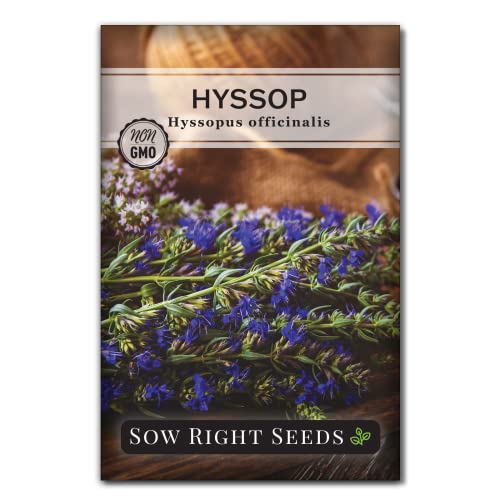
Hyssop (Hyssopus officinalis) is a hardy annual herb that yields fragrant purple flower spires, making it a favorite among beekeepers. Each packet contains about 425 seeds, with minimum 500 mg seed content. The plant tolerates 65–70°F soil temperatures and matures in 75–85 days. Plant 1/4 inch deep, space 12 inches apart in full sun. Typical height is 1–2 feet with an 18–20 inch spread. Usages include tea, salads, infusions, essential oils, and perfumes. Zones 4–8 are suitable for this variety.
Yarrow Seeds for Planting (White Common Heirloom)

Yarrow is a long-valued medicinal herb that translates well to pollinator gardens. The white common heirloom variety is easy to grow from seed and supports a thriving ecosystem by inviting butterflies, bees, and other pollinators. In addition to its garden value, yarrow provides natural dye potential and has traditional uses in teas and salves. As a perennial, it can establish clumps that expand with time, enhancing color and habitat in your landscape.
Broadleaf Thyme Seeds (Cuban Oregano)

Broadleaf Thyme, also known as Cuban Oregano, features large, aromatic leaves with an oregano-like flavor. It is versatile for culinary dishes, teas, and natural remedies, while also being a pollinator-friendly addition to gardens and containers. Seeds are non-GMO, and the plant is hardy and heat-tolerant, ideal for warm climates and varied garden setups. It can serve as a low-growing groundcover or border plant, providing continuous bloom potential for bees throughout the season.
KVITER Bee Balm Seeds (Monarda fistulosa)

Monarda fistulosa, commonly called bee balm or wild bergamot, is a strong pollinator magnet. The seeds are designed to germinate quickly, establishing plants that reach 2–4 feet and attract hummingbirds, bees, and butterflies. These non-GMO, heirloom seeds suit zones 3–9 and perform well in sun or partial shade. Bee balm also provides citrusy fragrance and colorful blooms to landscape borders, beds, and containers.
TKE Farms & Gardens – Wild Bergamot Bee Balm Seeds

This selection yields over 1000 heirloom, non-GMO bee balm seeds designed for easy growth indoors or outdoors. The seeds are well-suited for Zones 3–9, thriving in full sun or partial shade. Plant in early spring or fall for best results, and enjoy a garden that consistently attracts butterflies, bees, and other pollinators while adding scent and color to your space.
Lemon Balm Seeds (Melissa officinalis)

Lemon balm is a fragrant perennial with lemon-scented leaves that add a refreshing aroma to teas, tinctures, and culinary dishes. It is non-GMO and cold-hardy, making it adaptable to a range of climates. Perennial growth allows lemon balm to form enthusiastic clusters, providing habitat and nectar for pollinators over multiple seasons. The plant is easy to grow in gardens, raised beds, and containers, offering both aesthetic and practical benefits to pollinator-friendly landscapes.
SPROUTME SEEDS Marjoram Seeds

Marjoram seeds offer a sweet, fragrant herb ideal for seasoning meats, soups, and sauces, making it a versatile kitchen addition. This non-GMO seed pack contains over 200 seeds and attracts pollinators, supporting a diverse garden ecosystem. The herb is suitable for fresh or dried use in cooking and teas and can be grown in beds, pots, or containers, contributing both culinary value and pollinator appeal to your garden design.
TKE Farms & Gardens Hyssop Seeds

This hyssop seed offering provides over 500 premium, non-GMO seeds per packet. The growing guidance includes step-by-step instructions to ensure reliable germination and a flourishing herb garden. Hyssop is known for its minty scent and ornamental blooms that enrich pollinator habitats. It thrives in garden beds and containers, delivering an attractive, low-maintenance option for gardeners seeking robust pollinator support in multiple seasons.
Buying Guide: Key Purchase Considerations And Comparisons
- Pollinator appeal: Select herbs with abundant blooms and scent to attract bees, butterflies, and other beneficial insects.
- Perennial vs annual: Perennial herbs provide multi-season habitat; annuals can establish quickly for immediate nectar sources.
- Growing conditions: Consider sun exposure, soil type, and climate zones to ensure reliable germination and plant health.
- Culinary and medicinal value: Many pollinator herbs also offer teas, seasonings, or essential oil potential, boosting garden versatility.
- Non-GMO and heirloom options: Non-GMO seeds and heirloom varieties often maintain robust pollinator-friendly traits and legacy garden appeal.
- Container suitability: For limited spaces, choose compact or container-friendly varieties like Cuban oregano and lemon balm that still attract pollinators.
- Germination and care: Look for seeds with clear germination guidance and easy maintenance to optimize success for new gardeners.
- Garden design: Group pollinator-friendly herbs in borders or pollinator patches to create continuous nectar sources throughout the growing season.
- Diversity: A mix of bloom times and flower colors extends the pollinator-friendly period, supporting a more resilient ecosystem.
- Maintenance needs: Some herbs require pruning after flowering to encourage continued bloom, while others benefit from dividing clumps every few years.
By combining these selections, gardeners can establish a vibrant, pollinator-rich habitat that also provides culinary and medicinal benefits. The included varieties cover a range of bloom times, textures, and habits, enabling flexible planning for different garden sizes and conditions.