Best Insecticidal Soap for Houseplants: Effective, Safe Pest Control
Houseplants face a range of soft-bodied pests that can dull foliage and stunt growth. Insecticidal soaps offer a practical, low-toxicity solution for quick knockdowns and ongoing protection. The products below are well-suited for indoor use on common houseplants, herbs, and ornamental plants, helping you maintain healthy greenery without harsh chemicals.
Summary of chosen products: Safer 5118-6 Insect Killing Soap Concentrate | Natria Insecticidal Soap Ready-to-Use Garden Bug Treatment | Garden Safe Brand Insecticidal Soap 32 Ounces | Bonide Captain Jack’s Insecticidal Super Soap 32 oz Ready-to-Use Spray | Trifecta Crop Control Insecticidal Soap for Plants
Safer 5118-6 Insect Killing Soap Concentrate
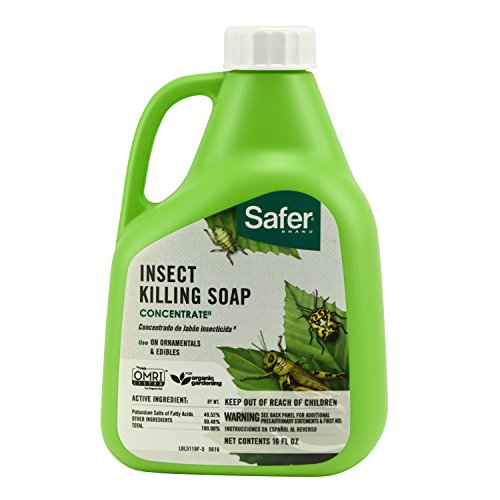
Brand: Safer
Features: Gentle on most plants; kills a variety of soft-bodied pests including aphids, whiteflies, thrips, and spider mites. The concentrate allows for controlled dilution and application across different plant sizes. Use throughout the growing season, applying as soon as pests appear and repeating every 5-7 days while insects persist. OMRI-listed for organic use, offering a reliable option for organic indoor and outdoor settings.
Natria Insecticidal Soap Ready-to-Use
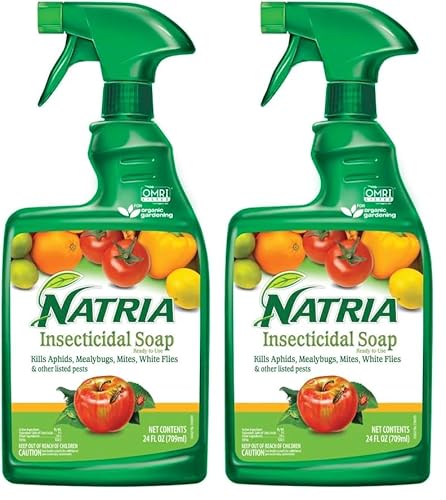
Brand: Natria
Features: Ready-to-use spray bottle for easy indoor use; targets aphids, mealybugs, mites, whiteflies, and more. Suitable for organic gardening and safe for use up to the day of harvest. Ideal for quick treatments on houseplants and container gardens, reducing the need for mixing and measurement while providing rapid pest knockdown.
Garden Safe Brand Insecticidal Soap 32 Ounces
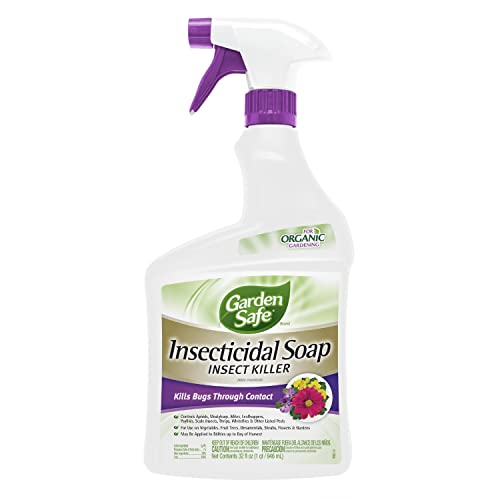
Brand: Garden Safe
Features: Ready-to-use, organic gardening compatibility; effective through contact against pests like aphids, whiteflies, mealybugs, and mites. The 32-ounce size provides coverage for multiple plants and is designed for both indoor and outdoor use, including greenhouses and patios. Safe for use on edible crops when following label directions and allows spraying up to harvest in some cases, depending on the crop.
Bonide Captain Jack’s Insecticidal Super Soap

Brand: Bonide
Features: Broad pest coverage including adelgid, aphids, caterpillars, spider mites, thrips, and more; designed for outdoor residential use but also effective on ornamental indoor plants when used per label guidelines. Kills via direct contact and ingestion, enabling both immediate knockdown and leaf-surface ingestion effects for extended control across a watering cycle or growth stage. Suitable for herbal and ornamental plant care in mixed settings.
Trifecta Crop Control Insecticidal Soap for Plants

Brand: Trifecta
Features: All-natural, plant-based formula designed to combat spider mites, aphids, whiteflies, and other soft-bodied pests on indoor and outdoor plants. Biodegradable and safe for edible crops, with a focus on leaving no chemical residues. The product doubles as a light fungicide, improving overall plant health while avoiding harm to beneficial insects when used as directed. Easy to apply with a fast-drying finish suitable for homes, greenhouses, and commercial operations.
Buying Guide
Choosing the right insecticidal soap involves considering plant type, pest type, and application context. Key factors include:
- Plant tolerance: Some houseplants are sensitive to spray contact; test on a small area first and avoid scorching on tender foliage.
- Pest coverage: For broad infestations, select a product with proven efficacy against aphids, mealybugs, whiteflies, and spider mites. Some formulas are more effective against mites, while others excel with aphids and mealybugs.
- Concentration vs. ready-to-use: Concentrates offer cost efficiency and flexibility for variable plant sizes, but require accurate mixing. Ready-to-use bottles are convenient for quick treatments on a few plants.
- Food safety and harvest timing: If spraying edible crops or herbs, check label directions for harvest intervals and maximum spray limits to ensure crop safety.
- Indoor vs. outdoor use: Indoor settings benefit from milder formulations with low odor and residue. Outdoor-focused products may have broader pest coverage and environmental durability but require wind-safe application.
- Resistance and rotation: To prevent pest resistance, rotate between products with different formulations or active ingredients, and follow recommended reapplication intervals.
- OMRI or certified organic: If organic gardening is a priority, choose products with OMRI listing or organic certification, and follow organic guidelines for use on houseplants and edible crops.
- Safety and compatibility: Review compatibility with beneficial insects (where applicable), and avoid combining with incompatible pesticides or detergents that can reduce efficacy or harm plants.
When applying any insecticidal soap, follow label directions precisely, apply in the early morning or late afternoon to minimize leaf burn, and ensure thorough coverage of the leaf undersides where pests often hide. Regular monitoring and a consistent spray schedule help maintain plant health while managing pest pressure in home environments.