Best Insecticides for Flowers to Protect Your Garden Effectively
For gardeners looking to protect their flowers from harmful pests, choosing the best insecticide for flowers is essential. This article reviews top-rated products designed to target a variety of insects including aphids, beetles, mites, and more, while being safe for ornamental and flowering plants. Below is a summary table of the selected insecticides to help you quickly compare their key features.
| Product Name | Brand | Key Features |
|---|---|---|
| Bonide Eight Insect Control Concentrate | Bonide | Contact & residual action, controls 100+ insect species, foliage protector for flowers & vegetables |
| Neudorff Garden Insecticide Spray | Neudorff | Organic formula with pyrethrins, broad-spectrum insecticide and miticide, safe for use up to harvest |
| Humboldts Secret Flower Shield | Humboldts Secret | EPA exempt botanical pesticide, insecticide, miticide, fungicide, strong pest & fungal control |
| Bonide Captin Jack’s Dead Bug Dust | Bonide | Organic insecticide dust, effective replacement for rotenone, great for vegetable and flower gardens |
| ARBER Organic Insecticide Ready-to-Spray | ARBER | EPA-registered organic formula, fast-acting, safe for pollinators, controls 30+ common pests |
Bonide Eight Insect Control Vegetable, Fruit & Flower Concentrate

Bonide Eight Insect Control is a versatile insecticide concentrate designed for use on a variety of plants including vegetables, fruits, and flowers. It effectively targets pests such as mites, aphids, ants, scale, beetles, leaf miners, and worms among over 100 listed species.
This product offers dual action control with immediate contact kill upon spraying and residual activity that continues to eliminate returning insects. It protects foliage on ornamental plants, roses, lawns, trees, and shrubs, making it comprehensive for garden use. Its long-lasting formula is a reliable choice for gardeners needing broad pest control coverage.
Neudorff Garden Insecticide Spray for Roses and Flowers

Neudorff Garden Insecticide Spray is an organic pest control solution suitable for roses, flowers, vegetables, trees, shrubs, and houseplants. It contains pyrethrins and canola oil botanical insecticides, making it safe for organic gardening and approved for use up to the day of harvest.
This broad-spectrum product targets over 100 listed insect species including fungus gnats, aphids, beetles, caterpillars, moths, mites, stink bugs, and grasshoppers. It also functions as a miticide, controlling spider mites and clover mites. The product is ideal for gardeners seeking an effective, natural insecticide with ovicidal properties.
Humboldts Secret Flower Shield Insecticide and Fungicide
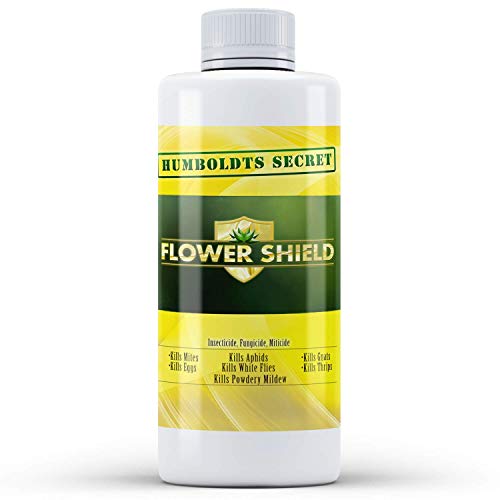
Humboldts Secret Flower Shield is a multi-purpose pest management product exempt from EPA registration, composed of minimum risk pesticide ingredients. It works as an insecticide, miticide, pesticide, and fungicide designed for flower and plant protection.
This spray kills mites and their eggs, controls powdery mildew, and provides a weekly preventive treatment to create an environment hostile to pests and fungal spores without harming plants. It offers a natural alternative for gardeners looking to minimize chemical usage while maintaining pest and fungus control.
Bonide Captin Jack’s Dead Bug Flower and Vegetable Garden Dust
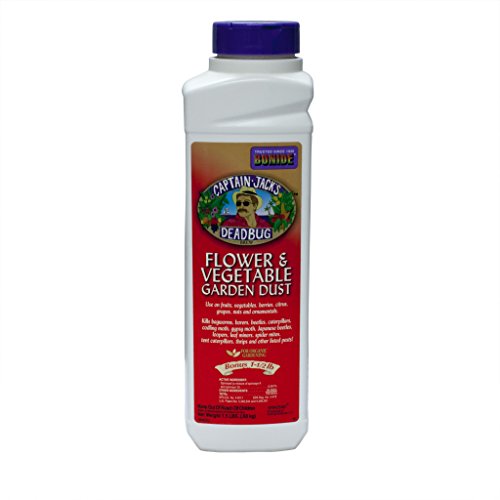
Bonide Captin Jack’s Dead Bug Dust is an organic insecticide dust formulated as an alternative to rotenone insecticides. It is effective for controlling a wide range of pests affecting flowers and vegetables in gardens.
This dust formulation allows easy application and helps maintain a safe environment for beneficial insects when used appropriately. It is particularly useful for gardeners wanting a contact insecticide with organic origins.
ARBER Organic Insecticide for Roses & Flowers Ready-to-Spray

The ARBER Organic Insecticide is an EPA-registered, ready-to-spray formula that controls over 30 common garden pests including aphids, thrips, Japanese beetles, and mites. It acts fast upon contact and provides long-lasting protection with biweekly applications recommended.
This product is designed with pollinator safety in mind, being safe for bees, butterflies, pets, and children when used according to directions. It’s ideal for eco-conscious gardeners seeking an effective yet environmentally friendly insecticide for flowers and ornamental plants.
Buying Guide: Key Considerations for Choosing Insecticides for Flowers
When selecting the best insecticide for flowers, consider the following aspects to ensure effective pest control while protecting your garden’s health and ecosystem.
Target Pest Spectrum
Assess which pests are most problematic in your garden. Many insecticides label the specific insects they control, from aphids and beetles to mites and caterpillars. Choose a broad-spectrum product if you face mixed infestations, or a specialized one if dealing with a particular pest.
Formulation Type
Insecticides come in various forms such as concentrates, ready-to-spray liquids, dusts, and sprays. Concentrates allow mixing and coverage customization, while ready-to-use sprays offer convenience. Dusts can provide effective residual action but require careful application to avoid inhalation.
Safety and Environmental Impact
Organic and botanical insecticides are popular for being safer for beneficial insects, pollinators like bees, pets, and children. Look for EPA registration or exempt status based on natural ingredients if minimizing environmental impact is a priority.
Residual vs. Contact Action
Contact insecticides kill pests on direct contact but have limited residual effects. Products with residual activity continue to kill pests returning to treated plants, providing longer-lasting protection. Decide based on pest behavior and garden needs.
Plant Compatibility
Ensure the insecticide is suitable for use on flowers and does not harm the plants. Some products are formulated specifically for ornamentals, roses, or vegetables and flowers combined. Follow label instructions for application timing and dilution rates to avoid damage.
Ease of Use
Consider how easy the product is to apply and reapply. Ready-to-spray bottles and dusts often require less preparation than concentrates, which need mixing. Frequency of application is also important—some products require weekly use while others last longer.
Resistance Management
Rotating insecticides with different modes of action can reduce the chance of pests developing resistance. Combining insecticides with miticides or fungicides, like some products reviewed here, may provide integrated protection against multiple issues.