Best Liquid Fertilizer for Tomato Plants: Top Picks for a Bountiful Garden
Growing tomatoes thrives with steady, balanced nutrition. The right liquid fertilizer helps deliver essential nutrients directly to roots and foliage, supporting fruit size, flavor, and plant health. Below are five highly regarded liquid fertilizers that suit a range of gardening styles—from organic plots to hydroponic setups—so you can choose the option that best fits your tomatoes and growing space.
| Product | Type | Key Benefit |
|---|---|---|
| Espoma Organic Tomato Food (8 oz) | Organic Liquid | Safe for kids and pets; easy dosing |
| True Organic Liquid Tomato & Vegetable Food (16 oz) | Organic Liquid | Soy protein hydrolysate for soil health |
| Miracle-Gro Water Soluble Tomato Plant Food | Synthetic/Water-Soluble | Rapid feeding on a schedule |
| Gardenwise Aero Nutrients (8 oz) | Hydroponic/Aero Nutrients | Chelated micronutrients for maximum uptake |
| Dr. Earth Home Grown Tomato, Veg & Herb (24 oz) | Concentrate | Sustainable, multi-use formula |
Espoma Organic Tomato Food 8 oz

Espoma’s Tomato Food delivers organic, plant-based nutrition designed for tomatoes and vegetables. The formula is formulated to be safe for homes with children and pets, making it a practical choice for family gardens. The label notes the essential nutrients that support healthy tomato and vegetable growth, with a simple dosing method: mix ½ cap of Tomato! liquid per quart of water and drench the soil. Apply every 2–4 weeks for best results. This product emphasizes compatibility with organic gardening practices while supporting robust yields.
True Organic Tomato & Vegetable Food 16 oz

True Organic’s liquid fertilizer combines a nutrient-rich formula with an exclusive Soy Protein Hydrolysate component aimed at enhancing plant and soil health naturally. It’s designed for both tomatoes and general garden vegetables, and is suitable for in-ground beds as well as containers. The product supports balanced nourishment that can lead to improved yields and resilience. Its versatility makes it a practical option for gardeners seeking organic inputs with a focus on soil biology and long-term garden vitality.
Miracle-Gro Water Soluble Tomato Plant Food
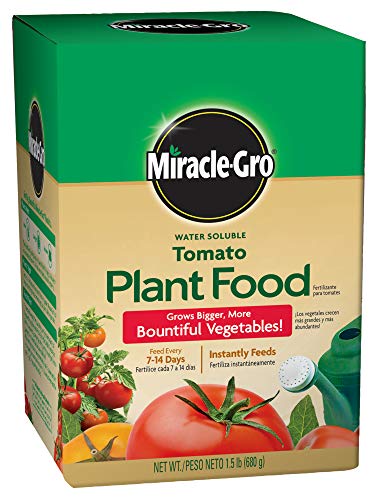
Miracle-Gro’s water-soluble formula is designed for fast, consistent feeding. It’s positioned to support noticeable growth in tomatoes and other vegetables when used on a regular schedule, typically every 1–2 weeks. This product is well-suited to gardeners who want predictable results and a straightforward feeding routine, whether in ground beds or containers. The water-soluble format makes it easy to mix with irrigation and ensure even distribution to promote vigorous foliage and fruit development.
Gardenwise Aero Nutrients Liquid Plant Food 8 oz

This hydroponic-friendly fertilizer is formulated for aeroponic and hydroponic systems, including tomato crops grown indoors. It features a balanced 4-3-6 N-P-K ratio designed to support robust growth, healthy foliage, and productive yields in non-soil environments. The product also highlights chelated micronutrients to improve nutrient uptake, which can be particularly beneficial in hydroponic setups where precise nutrient delivery and availability impact plant performance. It is suitable for a variety of crops beyond tomatoes, making it a versatile option for multi-plant systems.
Dr. Earth Home Grown Tomato, Veg & Herb Liquid Fertilizer 24 oz
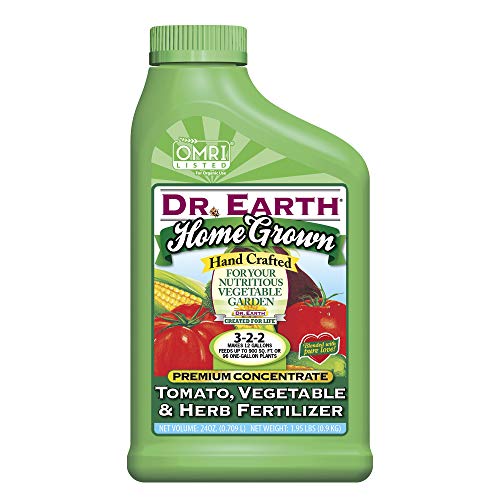
Dr. Earth offers a 3-2-2 NPK concentrate designed for home gardens, including tomatoes, vegetables, and herbs. This 100% sustainable formula is suitable for gardeners seeking an environmentally friendly option that still provides effective nutrition. The concentrate capability enables yields across different garden scales, and the product’s broad application can help support a diverse planting plan—from beds to containers. The packaging notes that it yields significant quantities of fertilizer when diluted, suitable for long-term use across the growing season.
Buying Guide
Choosing the right liquid fertilizer for tomatoes involves balancing organic preferences, growing system, and desired application frequency. Consider the following factors:
- Organic vs. synthetic: Organic formulas typically emphasize soil health and long-term vitality, while synthetic options may offer faster, more predictable feeding. Pick based on your gardening philosophy and soil concerns.
- NPK ratio: Tomatoes usually benefit from a balanced or slightly higher phosphorus and potassium during fruiting. Look for products with a label that supports strong root development and fruit set.
- Application method: Some fertilizers are easy to mix with water for a standard irrigation schedule, while others are designed for foliar or hydroponic use. Ensure compatibility with your system.
- Container vs. in-ground: Container-grown tomatoes may need more frequent feedings due to limited soil, so choose formulas with clear dosage guidance for small volumes.
- Micronutrients: Chelated micronutrients can improve nutrient uptake, especially in soilless or hydroponic environments where availability can be limited.
- Safety and labeling: If you garden with kids or pets, prioritize formulas marketed as safe for households or products with clear organic certifications.
- Cost and coverage: Compare price per ounce or per gallon of prepared solution to estimate long-term costs, especially for larger gardens.
Across these selections, gardeners have reliable options whether seeking organics, ease of use, or hydroponic suitability. When applying, follow label directions for dilution, frequency, and plant response to optimize fruit size, flavor, and overall plant vigor.