Best Materials for Outdoor Benches: Durable Options for Your Patio or Garden
Choosing the right material for an outdoor bench affects comfort, maintenance, and longevity. This guide highlights five top bench options and the materials behind them, helping you compare weather resistance, load capacity, and upkeep. From weatherproof woods to UV-resistant fabrics and high-density polymers, modern benches blend aesthetics with functional performance. Use the product summaries below to identify which materials fit your climate and lifestyle, then consult the buying guide for practical decision factors.
Summary Of Chosen Products
| Product | Brand | Material Focus | Key Benefit |
|---|---|---|---|
| Best Choice Products Outdoor Bench 2-Person | Best Choice Products | Wicker over powder-coated steel | Durable, weather-resistant frame with comfortable cushion |
| SERWALL 2 Person Patio Glider Bench | SERWALL | HDPE (high-density polyethylene) | Smooth gliding motion with weather-resistant construction |
| Nidouillet 35.5″ Outdoor Garden Bench | Nidouillet | Cedar wood (carbonized, all-weather) | High load capacity and classic wood look |
| GeeComfy Waterproof Canvas Fabric By The Yard | GeeComfy | 600D polyester with waterproof coating | Water-resistant upholstery fabric for cushions |
| Eoieov Outdoor Bench Cushion | Eoieov | Polyester fabric with internal PP cotton padding | Comfortable, durable cushion for benches |
Best Choice Outdoor Bench With Cushions
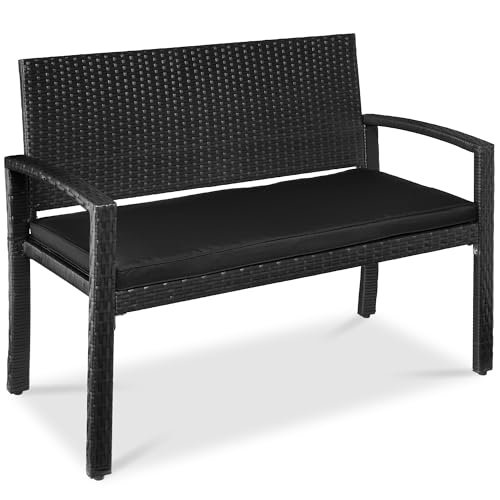
The Best Choice Products outdoor bench blends weather-resistant wicker with a sturdy powder-coated steel frame. Its seat cushion adds comfort, secured by straps to keep the cushion in place during breezy days. The materials are designed to withstand outdoor conditions while maintaining a classic bench silhouette. Assembly is straightforward, with a five-step process that can be completed in about 30 minutes. Weight capacity is listed as 700 pounds, indicating solid support for two people, even on uneven ground when properly anchored.
Material overview: The woven wicker is designed to resist moisture and sun exposure, while the steel frame provides structural integrity. The cushion fabric is water-repellent and designed for outdoor use, though long-term exposure to direct sun should be managed with a shade solution or storage during extreme weather. Overall, this bench emphasizes a balanced blend of comfort and durability in a mid-range price point.
SERWALL 2 Person Patio Glider Bench
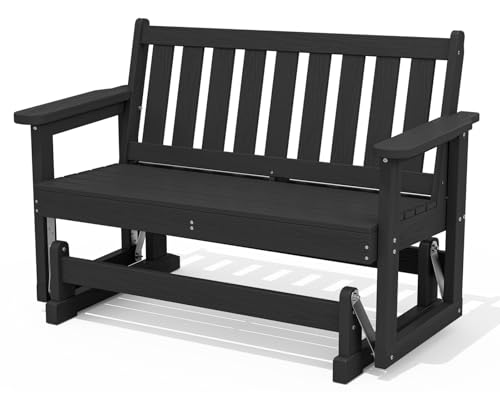
The SERWALL two-person glider bench uses HDPE material, a popular outdoor furniture choice due to its weather resistance and low maintenance. The bench design supports a comfortable two-person seating arrangement with a gliding motion that enhances relaxation in outdoor spaces. Assembly is described as easy, with hardware and instructions included. The HDPE construction resists moisture, insects, and warp, making it a solid option for decks, patios, or garden nooks in varied climates. Weight capacity is listed for two occupants, with robust support for longer periods of use.
Material overview: HDPE is a durable, fade-resistant polymer that tolerates sun, rain, and temperature changes with little maintenance. It does not require painting or sealing like wood, reducing ongoing upkeep. The glider mechanism should be checked periodically for smooth operation. This bench emphasizes longevity and smooth outdoor usability, suitable for spaces where minimal upkeep is preferred.
Nidouillet Cedar Wood Outdoor Bench

The Nidouillet bench uses cedar wood treated through high-temperature carbonization, offering enhanced weather resistance and a distinctive wood aesthetic. The bench is designed to support two to three people, with load-bearing specifications around 330–400 pounds depending on length. Cedar wood withstands decay and insect activity better than many softer woods, making it a solid all-weather choice. The multifunctional term indicates the bench can serve both seating and decorative roles in gardens or porches, with a timeless appeal for outdoor spaces.
Material overview: Wood benches provide natural warmth and a traditional look but require maintenance to prevent drying and cracking. The carbonized treatment expands lifespan and reduces warping; periodic sealing or oiling can extend life further. This option suits those who prefer a classic wood appearance with respectable durability in moderate climates.
ClawsCover 2-Person Bench Covers
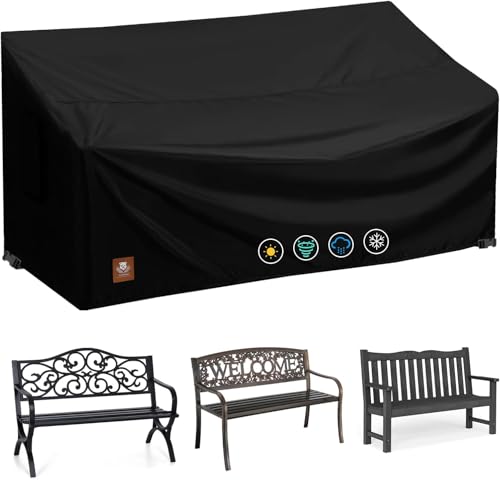
ClawsCover bench covers focus on protection and fit for two-person benches. The covers are designed with heavy-duty 420D oxford fabric and PU inner coating for waterproofing. The product listing emphasizes all-weather protection from sun, dust, wind, rain, and snow, with a snug fit for various bench shapes. It may be paired with wooden or metal frames to extend bench life, particularly in climates with heavy rainfall or intense sun exposure.
Material overview: This option centers on fabric protection rather than bench construction. The heavy-duty polyester with PU coating provides water resistance and durability, helping benches maintain their appearance over time. A bench cover is a practical accessory in regions with rapidly changing weather or high UV exposure.
Eoieov Outdoor Bench Cushion

The Eoieov bench cushion uses polyester fabric with soft PP cotton filling to provide comfort on outdoor benches. The cushion is offered in multiple sizes, including 40″ x 20″, with tie-downs to secure it during windy days. The fabric is described as wear-resistant and waterproof to an extent, focusing on comfort and practicality for outdoor seating. Cushions can enhance seating experience on hard or weathered benches by adding padding and warmth.
Material overview: Polyester fabrics are commonly used for outdoor cushions due to their affordability and versatility. The internal padding (PP cotton) offers plush feel but may require maintenance to prevent flattening over time. Regular cleaning can help maintain appearance in sun-exposed areas.
Buying Guide: Material And Purchase Considerations
When selecting a material for an outdoor bench, shoppers should weigh weather resistance, maintenance needs, and the intended setting. Below are key considerations from multiple perspectives:
- Climate resilience: In rainy or humid areas, weatherproof materials like HDPE plastics or powder-coated metal frames with wicker can resist moisture and corrosion better than untreated wood. For sunny arid regions, UV-resistant fabrics and coatings help prevent fading.
- Maintenance burden: Wood benches require regular sealing or oiling to retain color and prevent cracking. Wicker and metal frames typically demand less maintenance, while cushions need covers or removable fabrics that are machine-washable.
- Comfort and usability: Cushions add comfort but may increase maintenance needs. Cushions with tie-downs and water-resistant covers improve stability and reduce moisture absorption.
- Weight and portability: Heavier benches with solid frames (steel, HDPE, or treated wood) offer stability but are harder to move. Lighter options may be easier to reposition but require careful anchoring in windy areas.
- Aesthetic fit: Wood benches offer a classic look; wicker provides a casual, coastal vibe; modern plastics can align with contemporary patios. Upholstered cushions add color and style but may fade or stain over time depending on fabric.
- Repairability: Materials like wood can be refinished or repaired with basic tools. Plastics and HDPE are less repairable but highly durable. Reserve a plan for replacement parts or cushions when longevity is a priority.
In practice, the best material choice depends on climate, maintenance willingness, and design goals. For frequently wet climates, HDPE and powder-coated frames paired with quick-dry cushions offer dependable performance. For traditional aesthetics, cedar or other treated woods provide warmth and timeless appeal, with regular care. Cushions and covers extend usability but add ongoing upkeep. Consumers should balance initial cost with long-term maintenance when evaluating durability and total cost of ownership.