Best Moisture Meter for Indoor Plants: Accurate Soil Readings for Healthier Potting
Finding the right moisture meter helps you water plants precisely, avoiding overwatering or underwatering. This guide highlights five reliable options that work well for indoor gardening, houseplants, and small outdoor planters. Each product provides quick, battery-free readings and clear indicators to help you decide when to water. Read on to compare features, reading methods, and suitability for different pot sizes and soil types.
Summary of chosen products:
| Product | Brand | Type | Key Benefit | Image |
|---|---|---|---|---|
| XLUX Soil Moisture Meter | XLUX | Analog, single probe | Immediate, surface-to-deep readings | 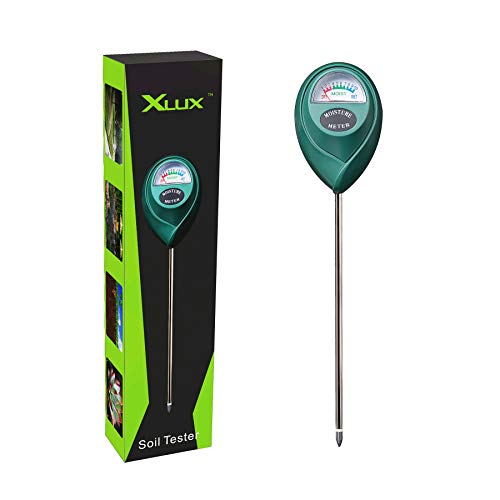 |
| XLUX Long Probe Deep Use | XLUX | Analog, longer probe | Measures deep soil moisture in large pots |  |
| apine Soil Moisture Meter | apine | Analog, no battery | Easy to use for quick checks | 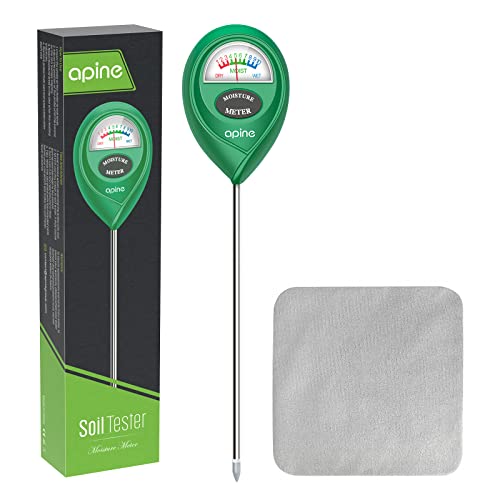 |
| Censinda Soil Moisture Meter | Censinda | Analog, no battery | Simple, root-zone reading | 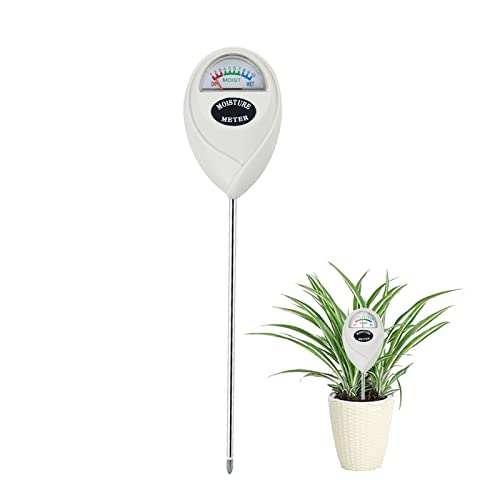 |
| Hathdia Soil Moisture Meter | Hathdia | Analog, long probe | 7.6-inch probe suitable for larger pots | 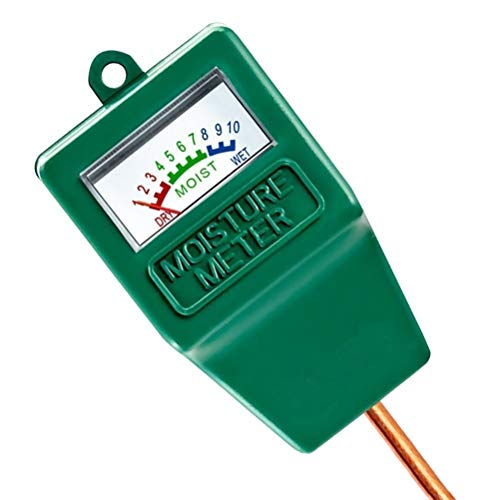 |
XLUX Soil Moisture Meter
The XLUX Soil Moisture Meter provides fast, direct readings of soil moisture levels in pots and gardens. It helps distinguish between dry, moist, and wet soil, allowing precise watering decisions beyond surface cues. Its large dial displays ten moisture levels across three zones, enabling quick interpretation even for beginners. The device is battery-free and immediately reflects changes when inserted, ensuring you know exactly when to water. Important usage note: avoid leaving the probe in soil for more than five minutes to prevent metal tip corrosion.
XLUX Long Probe Deep Use Meter
This model extends the probe length to reach deeper into larger and deeper pots, delivering moisture readings from the soil’s lower layers. The accuracy remains aligned with a clear, three-zone dial and ten scales, helping you assess whether deeper sections of soil stay too dry or stay consistently moist. Like the standard XLUX meter, it provides immediate readings when inserted and requires no batteries. Remember not to exceed five minutes of soil contact to avoid corrosion of the metal tip.
apine Soil Moisture Meter
apine’s meter offers a straightforward, battery-free approach suitable for both indoor and outdoor plants. Insert the probe two to four inches into the soil, and the dial’s color-coded segments provide an at-a-glance moisture reading. The device includes a wiping cloth to maintain probe sensitivity, ensuring more accurate results over time. It emphasizes simplicity and reliability without electronic components, which appeals to those who prefer low-maintenance tools.
Censinda Soil Moisture Meter
The Censinda meter emphasizes quick, no-battery operation with a direct probe insertion into root zones. It helps prevent overwatering by clearly indicating when soil is dry, moist, or wet. Its simple design is well-suited for hobbyists and gardeners who want a dependable, low-maintenance tool for routine moisture checks. The probe reaches the plant’s root region to reflect more accurate moisture status where roots absorb water most efficiently.
Hathdia Soil Moisture Meter
The Hathdia meter features a 7.6-inch probe, designed for larger potted plants and deeper root zones. It provides immediate moisture readings without batteries, making it ideal for dependable daily checks. The instrument is particularly useful for plants that require deep root watering or for pots that are deeper than typical decorative choices. Its long probe helps you assess moisture at soil depths where roots actively grow.
Buying Guide
Choosing the right moisture meter involves balancing accuracy, ease of use, and the specific needs of your plants and pots. Consider the following factors:
- Soil depth and pot size: Long-probe models are better for deep pots, while standard probes work well for small containers and surface-rooted plants.
- Reading method: Analog meters offer quick, at-a-glance results; digital meters (not shown in these picks) can provide more precise numerical values but may require batteries.
- Soil type: Dense or clay soils may retain moisture longer, so you might water less frequently; sandy soils drain quickly and often need more frequent checks.
- Maintenance: Battery-free meters are low-maintenance but may require occasional wiping of the probe for accuracy.
- Plant needs: Some plants prefer consistently moist soil, others prefer drying out between waterings. Use the meter to support a water schedule that matches each plant’s needs.
To maximize utility, consider pairing a moisture meter with a basic plant care routine: observe pot weight when dry vs. watered, assess leaf color and texture, and adjust watering frequency accordingly. For households with multiple plant species, using different meters in separate zones can help optimize care without overwatering or neglecting root zones.