Best Night Blooming Cereus Queen of the Night: Care Guide and Top Picks
The night blooming cereus, commonly known as Queen of the Night, captivates gardeners with dramatic nocturnal blooms and exotic appeal. This article highlights trusted Queen of the Night varieties and ready-to-grow selections, helping you choose plants that fit indoor or outdoor spaces. Explore five carefully selected options, each with care needs outlined to support healthy growth and spectacular, fragrant flowers that open for a single night.
| Product | Brand |
|---|---|
| Queen of The Night Cactus, Orcid Cactus, White Flowering Epiphyllum | Generic |
| Night Blooming Cereus – Fully Rooted Starter Pot – Epiphyllum Oxypetalum | Generic |
| 2 ORCHID EPIPHYLLUM CACTUS NIGHT BLOOMING CEREUS CUTTINGS | mothernaturesgardenstore.com |
| Epiphyllum ‘Queen of the Night’ Variety Rooted Cutting | Richlin Gardens |
| Organic Queen of The Night Plant Cuttings, 5 cuttings | Smoke Camp Crafts |
Queen Of The Night Cactus, Orcid Cactus

The Queen Of The Night Cactus offers spectacular, large white blossoms with a delicate pink tinge. This Epiphyllum species thrives in partial shade to bright indirect light and requires well-draining soil with minimal watering. It can reach 6-8 feet in height under ideal conditions, featuring broad, leaf-like stems and a climbing growth habit. Ideal for indoor conservatories, bright rooms, or shaded patios, this plant delivers a dramatic floral display that peaks at night. Regular monitoring for proper drainage helps prevent root rot, while a trellis or support system can accommodate its climbing nature. For scent and visual impact, place near a window with soft indirect light, and avoid overwatering in cooler months.
Growing Tips: Use a cactus- or orchid-mocused mix that provides excellent drainage. Water when the top inch of soil dries; during dormancy, reduce watering further. Humidity levels around 40-60% suit most environments, though the plant adapts to typical indoor air. Fertilize lightly during the growing season with a balanced, water-soluble formula, and prune after flowering to encourage new growth. Given its size potential, plan for vertical support and a spacious pot to accommodate root development.
Night Blooming Cereus – Starter Pot
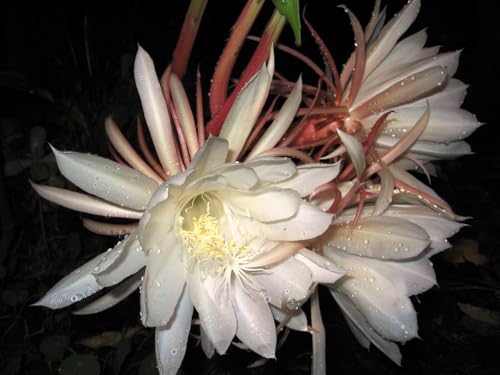
This starter pot offers an easy entry point to the Queen of the Night experience. Marketed as easy to grow and suitable for gifting, it emphasizes low-maintenance care and adaptability. The plant is well-suited to indoor settings with indirect light and well-draining soil. The root system will benefit from a light, airy mix that drains quickly to prevent standing water. As with many Epiphyllum cultivars, the Blooms emerge at night and require patience, as flowering can be influenced by temperature, light, and seasonal changes. Regular checking of soil moisture and avoiding overwatering will support healthier growth.
Care Notes: Choose a container with drainage holes and a soil blend designed for epiphytic cacti. Water sparingly, allow the topsoil to dry between waterings, and place in bright but indirect light. Fertilize monthly during the growing season with a diluted fertilizer formulated for cacti and succulents. Prune leggy growth to promote compact shape if desired, and provide a support structure for climbing behavior.
2 Epiphyllum Night Blooming Cactus Cutting

This listing features multiple cutting segments of Epiphyllum species known for Night Blooming Cereus potential. The product emphasizes the Queen of the Night variety, with blooms typically appearing in the late afternoon to evening window. Cuttings are best rooted in a well-draining mix and kept in bright, indirect light as they establish. Because cuttings can take time to root, begin with a small, appropriate pot and gradually transition to larger containers as roots develop. Expect a vigorous growth habit once established, with flowering dependent on age and environmental conditions.
Growing guidance: Root cuttings in a sterile, well-draining medium. Maintain humidity without oversaturation, and provide a sturdy support if growth is climbing. When established, a balanced fertilizer and consistent light will support flowering potential. Keep the plant away from cold drafts and ensure temperatures stay above 50-55°F during rooting and growth phases.
Epiphyllum Queen Of The Night Rooted Cutting

The Epiphyllum Queen Of The Night rooted cutting from Richlin Gardens emphasizes fast growth, trellis climbing, and fragrance. Rooted cuttings offer a head start toward a mature, flowering plant. The Queen of the Night variety typically requires bright, indirect light and well-draining soil to thrive, with routine watering adjusted to the plant’s growth phase. As with many Epiphyllums, occasional pruning helps manage size, while trellis support enhances bloom display by elevating the canopy. Expect rapid development in favorable temperatures with steady moisture.
Care considerations: For rooted cuttings, ensure consistent moisture without waterlogging during rooting. After establishment, resume regular watering and fertilization, keeping the soil lightly acidic to neutral. Provide a support structure and monitor for signs of stress such as yellowing leaves, which may indicate excess moisture or insufficient light. Fertilize during the growing season with a balanced formula and avoid heavy pruning during blooming cycles to protect future flower buds.
Organic Queen Of The Night Cuttings (Epiphyllum Oxypetalum)

These organic Queen Of The Night cuttings emphasize natural propagation with several 2-3 inch segments per order. The organic label suggests minimal chemical intervention in growing media, appealing to eco-conscious gardeners. Rooting and growth follow standard Epiphyllum practices: bright indirect light, well-draining soil, and careful irrigation. The cuttings typically require a rooting period before substantial growth and flowering occur, but the larger the starting segments, the quicker the plant reaches maturity. Maintain humidity and provide a stable environment to encourage robust root establishment.
Growth and care notes: Use an organic, well-draining mix and a pot with drainage. Water when the top layer dries, and avoid overwatering to prevent rot. For flowering in the future, ensure adequate light and a consistent warm temperature during the growing season. Fertilize sparingly with an organic fertilizer, and monitor for pests typical to Epiphyllums such as mealybugs or scale.
Hawaiian Night Blooming Cereus Art Print

While not a plant, this art piece captures the Queen Of The Night theme in vintage Hawaiian style. It provides decorative value for homes or offices seeking to evoke the plant’s nocturnal romance. The print uses recycled and certified sustainable materials, aligning with eco-conscious décor. Framing is straightforward for standard frames, offering flexible display options in living spaces or galleries. This tribute item complements live care by inspiring appreciation for the night-blooming cereus while focusing on aesthetic rather than horticultural care.
Buying Guide: Queen Of The Night Plant Care And Selection
When selecting a Queen Of The Night plant or cutting, consider light, soil, water, pot size, and growth habit. Epiphyllum species typically prefer bright, indirect light and well-draining soil to prevent root rot. A fast-draining mix designed for cacti and orchids supports healthy root systems, especially for epiphytic varieties. Pot size matters: too-small containers constrain growth, while overly large pots can retain excess moisture. A support structure, such as a trellis or stake, helps accommodate climbing growth and optimizes air circulation around leaf-like stems.
Watering should be scaled to the plant’s growth stage and environmental conditions. In active growth, water when the top inch of soil dries; in cooler or dormancy periods, reduce frequency to prevent rot. Humidity levels around 40-60% work well for most epiphytic cereus; excessive humidity with poor drainage can promote fungal issues. Fertilize during the growing season with a diluted, balanced formula, and avoid high nitrogen that can encourage leaf growth over blooms. Regular pruning supports shape and encourages new flowering shoots, particularly after blooming cycles.
Propagation options include rooting cuttings or purchasing rooted plants. Cuttings require a rooting period, with careful moisture control and warmth to induce successful rooting. When purchasing rooted plants, verify root health and a consistent growth rate. Bloom timing can vary; many night-blooming cereus plants flower irregularly, often in late spring to summer, and sometimes only once per season or per several months. Be patient, provide stable conditions, and monitor for pests such as mealybugs or spider mites in dry indoor environments.
Comparative notes for buyers:
- Beginners: Start with a rooted cutting or starter pot for quicker establishment.
- Moderate care: Plants that tolerate indirect light and infrequent watering suit busy households.
- Decor and scent: Some varieties emphasize fragrance and dramatic blooms, while others focus on compact growth for small spaces.
- Long-term growth: Plan for vertical support and space as mature specimens reach several feet tall.
- Organic and sustainable options: Organic cuttings appeal to eco-conscious gardeners seeking minimal chemical intervention.