Best Organic Roma Tomato Seeds for Home Gardens and Canners
Looking for organic Roma tomato seeds that deliver reliable yields for sauces, pastes, and canning? This guide highlights five top organic Roma options suited to American home gardeners. Each selection is evaluated for germination, disease resistance, and suitability to common growing conditions. The best picks help you choose a variety that matches your climate, space, and canning needs. The buyer-friendly table below summarizes the key attributes of these recommended seeds.
Summary Table
| Product | Type | Best For | Notes |
|---|---|---|---|
| Organic Tomato Seeds (Roma) – 75 Seeds | Heirloom, Organic, Non-GMO | Home canning, cooking, paste | Determinant vines; good yields |
| SVI 300 VF Roma Tomato Seeds | Non-GMO, Heirloom | Tomato paste and sauces | Determinant, fast germination |
| 250 Roma VF Tomato Seeds | Heirloom, Non-GMO | Indoor/outdoor gardening | Classic Roma flavor; 6 oz fruit |
| Organic Roma Tomato Seeds 50+ Seeds | Organic, Heirloom | Pastes and sauces | Disease resistance bred in, 50+ seeds |
| Organic Tomato Seeds Variety Pack – 12 Packs | Non-GMO, Organic | Diverse tomato garden | Includes Roma among others |
Organic Tomato Seeds (Roma) — Approx 75 Seeds

Source: Purely Organic Products LLC. This seed packet offers non-GMO, USDA Organic Roma tomato seeds with determinate vines. Ideal for cooks and canners who want uniform ripening over a short harvest window. Best for gardeners who work with a trellis or stake setup and want reliable seedling emergence.
- Best for: Small to medium-sized gardens, window boxes, and backyard plots where a quick, harvestable Roma crop is desired.
- Why selected: High-yield determinate vines and strong paste tomato potential.
- Limitation: Specific fruit size and ripening windows may vary with climate.
SVI 300 VF Roma Tomato Seeds

SVI Roma VF seeds produce dense clusters of classic plum tomatoes with thick flesh, ideal for pastes and canning. Determinate growth keeps plants compact, typically suited for raised beds, containers, and small gardens. Germination tends to be quick, helping experienced and novice gardeners alike.
- Best for: Gardeners seeking reliable paste-ready Roma with compact growth patterns.
- Why selected: Strong plant habit supports easy staking and high-density planting.
- Limitation: Determinate varieties may have a shorter harvest window than some indeterminate types.
250 Roma VF Tomato Seeds
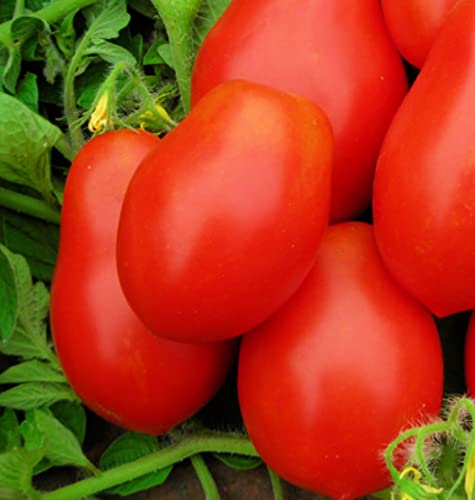
This pack features Roma VF tomato seeds described as heirloom and non-GMO, suitable for gardeners who want a robust paste tomato with reliable germination. The 6 oz-class fruit and warm-season cultivation make it a versatile choice for both indoor germination and outdoor transplanting.
- Best for: Gardeners who want a generous romas crop with modest space and strong results in warm weather.
- Why selected: Good balance of vigor, fruit size, and disease resilience for home plots.
- Limitation: Some seeds may require indoor start or careful transplanting to maximize yields.
Organic Roma Tomato Seeds 50+ Seeds

These seeds are certified organic and heirloom, designed to produce Roma tomatoes that shine in sauces and paste. The pack emphasizes disease resistance and organic cultivation practices, making it suitable for organic-focused gardens and those avoiding GMOs.
- Best for: Organic-focused gardeners who want a reliable Roma for sauces and paste.
- Why selected: Organic certification and heirloom heritage for flavor and consistency.
- Limitation: May require stronger pest management in some regions.
Organic Tomato Seeds Variety Pack — 12 Packs

This 12-pack includes Roma among other varieties, offering a broad color and flavor range for gardeners seeking diversity. Each packet is non-GMO and certified organic, making it a practical choice for start-to-harvest planning across different sun exposures and soil types.
- Best for: Gardeners who want a mixed assortment for flavor variety and test planting in different beds.
- Why selected: Provides a ready-to-grow, organic option with multiple tomato types including Roma.
- Limitation: Mix may not isolate Roma-specific traits; consider separate Roma seeds for targeted use.
Buying Guide
What to look for in organic Roma seeds
Key factors include organic certification, seed type (heirloom vs. hybrid), germination rate expectations, and growth habit (determinant vs. indeterminate). For canning and paste, Roma varieties with thick flesh and consistent ripening are ideal. If garden space is limited, determinant types offer a compact harvest over a short period.
Germination and vigor
Choose seeds labeled with high germination or reliable sprouting rates. Indoor starter methods and gradual hardening off before transplanting can improve success, especially in cooler climates.
Climate and growing conditions
Roma tomatoes thrive in warm weather and full sun. Ensure soil temperatures are consistently warm before transplanting, and provide well-draining soil with organic matter to support vigorous growth and disease resistance.
Space and support
Determinant Roma varieties are well-suited to trellises, fences, or cages. If space is limited, container planting with proper stake support can work, but ensure plants have adequate root room and sun exposure.
Seed origin and certification
Organic certification indicates adherence to organic farming standards. Heirloom seeds preserve traditional flavors, while non-GMO status reduces genetic modification concerns for many gardeners.
Use and harvest planning
Plan your garden around the intended use—canning, sauces, or fresh slicing. Roma tomatoes are known for their thick flesh and lower moisture content, making them ideal for paste and long-term storage.
Frequently Asked Questions
- What is the difference between Roma and San Marzano seeds? Roma varieties are typically sturdy, paste-type tomatoes with dense flesh, while San Marzano refers to a specific heirloom history and flavor profile. Both can be used for sauces, but growing conditions and fruit shape may differ slightly.
- Are Roma seeds suitable for container gardening? Yes, many determinate Roma varieties are compact enough for containers with proper staking and regular care.
- How long does it take Roma tomatoes to mature? Most Roma-type tomatoes require around 70–90 days from transplanting to harvest, depending on climate and care.
- Should I start Roma seeds indoors? Starting indoors is common in cooler regions. Transplant after soil temperatures are consistently warm to reduce transplant shock.
- Are organic Roma seeds non-GMO? Many are labeled non-GMO and organic, but always verify the seed pack labeling for confirmation.
- Can I save seeds from Roma tomatoes? Heirloom and open-pollinated Roma varieties allow seed saving; keep in a cool, dry place to preserve viability for next season.