Best Blue Fescue Ornamental Grasses for Colorful Borders and Low Maintenance Gardens
Blue fescue (Festuca glauca) offers silvery-blue foliage, compact clumps, and drought-tolerant performance that suits modern American gardens. This article highlights five top ornamental grass products that cater to shade tolerance, edging, rock gardens, and low maintenance landscaping while showcasing easy, practical planting tips. Each selection emphasizes vibrant blue hues, compact growth, and reliable performance across sunny and partially shaded sites.
| Product | Type | Ideal For |
|---|---|---|
| Outsidepride 5000 Seeds Perennial Festuca Cinerea Glauca Varna Blue Fescue | Seed | Borders, beds, shade or sun |
| Perennial Farm Festuca Glauca Cool As Ice | Live Plant in container | Edging, rock gardens, sunny borders |
| Blue Fescue Grass Seeds – Festuca glauca | Seed | Borders, edging, modern landscapes |
| O.M. Scott and Sons Tall Fescue Blend Grass Seed | Seed blend | Lawn improvement, weed suppression |
| Outsidepride 10000 Seeds Perennial Festuca Cinerea Glauca Varna Blue Fescue | Seed | Borders, beds, wildflower mixes |
Outsidepride Festuca Glauca Blue Fescue Seed

Blue Fescue seeds from Outsidepride offer a perennial grass suited to USDA zones 4 to 7, with strong shade tolerance and a blue-green color. Once established, it grows to about 10 inches tall, delivering a tidy clump that remains soft in texture rather than sharp. It is notably cold hardy and drought tolerant, making it a practical choice for mixed borders, flower beds, or naturalized areas. This seed set is easy to grow and can provide year after year color without demanding heavy maintenance.
Perennial Farm Festuca Glauca Cool As Ice
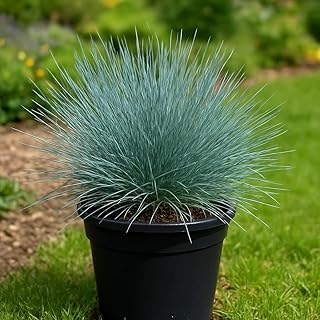
This live plant in a one-quart container features silvery blue foliage with a compact, clumping form. The plant is ideal for edging, rock gardens, or sunny borders, reaching about 8–12 inches tall. It is hardy and resilient, with a tidy habit that makes it suitable for mass plantings or focal accents. When shipped between late fall and early spring, it may arrive dormant and trimmed, but is ready for immediate planting upon arrival.
Blue Fescue Seeds – Festuca Glauca (200 Seeds)
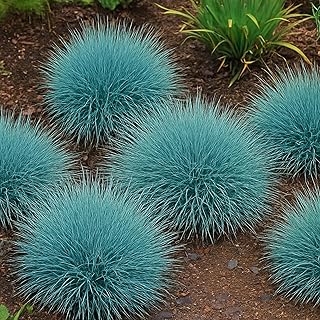
These blue fescue seeds produce striking blue-silver mounds that add bold color and texture to any landscape. They are drought-tolerant and thrive in full sun with minimal watering once established. The growth habit is compact and tidy, forming neat clumps about 6 to 10 inches tall and wide, making them ideal for borders, edging, rock gardens, and contemporary garden designs that prioritize low maintenance.
O.M. Scott and Sons Tall Fescue Blend Seed

Although not a blue fescue, this tall fescue blend is included for lawn improvement perspectives. It provides dense grass growth that helps crowd out weeds, forming a resilient space suitable for northern and transition region lawns. Packaged as a 3-in-1 product with seed, fertilizer, and soil improver, it aims to deliver a ready-to-grow lawn, produced with hand-selected tall fescue varieties from Oregon and featuring a safe composition for homes with pets and family when used as directed.
Outsidepride 10000 Seeds Perennial Festuca Cinerea Glauca Varna Blue Fescue
This larger seed pack mirrors the Varna blue fescue variety, designed for perennial longevity in USDA zones 4 to 7. It emphasizes shade tolerance while performing well in full sun, and grows to a modest height of about 10 inches with a distinct blue-green hue. The seeds are a cost-effective option for filling borders, landscape beds, or mixed wildflower patches, delivering low-maintenance care once established.
Buying Guide: Key Considerations For Choosing Blue Fescue
Blue fescue is prized for color, texture, and ease of care, but gardeners should weigh several factors to select the best option for their space.
- Growth habit and size: Most blue fescues stay compact (6–12 inches tall) and form tidy clumps. Choose a variety that fits your bed width and edging needs, especially for borders and rock gardens.
- Plant type: Seeds are economical for large areas and wildflower mixes, but live plugs or quart containers offer instant impact for defined borders and planters.
- Light and soil: Blue fescue tolerates full sun to light shade. It prefers well-drained soil; poor drainage can lead to problems. In extreme heat, afternoon shade can help.
- Watering needs: Established blue fescue is drought-tolerant, reducing irrigation frequency. A regular, light watering schedule helps seedlings establish roots more quickly.
- Cold hardiness: Most cultivars perform well in zones 4–7, but local microclimates can influence winter vigor. Mulching in colder regions can improve overwinter survival.
- Maintenance: Minimal maintenance is required—remove spent foliage in early spring if desired and avoid heavy fertilizer which can promote soft growth susceptible to disease.
- Aesthetic versatility: Blue foliage pairs well with warm-toned perennials, grasses, and flowering groundcovers. It also provides contrast for dark greens and burgundy tones in mixed borders.
- Ethics and sustainability: Consider seed viability, the source’s quality control, and shipping practices. Prefer reputable suppliers with clear growing conditions and care instructions.
When planning a display, combine multiple blue fescue varieties or mix with complementary textures (ornamental grasses, lavender, or salvia) to extend visual interest through different seasons. For larger projects, seed packs offer affordability, while containerized plants provide immediate impact and easier maintenance for small spaces or patios.