Best Perennial Plants and Grasses for Your Garden
When choosing perennial plants and grasses, look for options that suit your climate, soil, and care level. This guide highlights five reliable selections and explains who each is best for. Whether you’re designing a meadow-inspired border, a low-water yard, or a shaded woodland patch, these picks combine visual appeal with practical growth. The table below summarizes the core details to help you compare at a glance.
| Product | Best For | Zone Range | Key Benefit |
|---|---|---|---|
| Calamagrostis Karl Foerster | Bold vertical focal points | 4–9 | Statuesque golden spikes |
| Bloom’s Best Perennials & Grasses (Book) | Garden planning and combos | All zones | Expert plant pairings and ideas |
| AVERAR Grass Seedlings (2 Pack) | Starter grasses for borders | 4–9 | Hardy, low-care seedlings |
| AVERAR Pink Pampas Grass Seedlings | Accent grasses with pink-toned highlight | 4–9 | Vivid growth with seasonal color |
| CZ Grain Little Bluestem (Plug) | Native, drought-tolerant bedding | 3–9 | Blue-green foliage with red fall color |
Calamagrostis Karl Foerster: Feather Reed Grass

Best for: Garden beds needing a tall, architectural backbone. Karl Foerster grows an impressive 4–5 feet in height with golden flower spikes rising above arching foliage in late spring and early summer. It tolerates some shade but prefers moist, well-drained soil in full sun. This variety is especially suitable for those who want a durable, long-lived grass that pairs well with woody perennials and other grasses. Plant spacing is roughly 30 inches to maintain a balanced effect.
Why selected: It’s a classic ornamental grass with a strong reputation for reliability in USDA zones 4–9. The tall plumes offer year-round interest, and its versatility makes it a preferred choice for mixed borders and mass plantings. Caution: Availability may be restricted in some states due to regulatory considerations, as noted in its shipping policy.
Bloom’s Best Perennials And Grasses

Best for: Gardeners seeking a curated reference to select perennials and grasses and design combinations. This Timber Press title compiles expert plant choices and dramatic pairings for year-round interest, aiding planning for beginner and seasoned gardeners alike.
Why selected: It functions as a practical companion to live plant choices, helping buyers envision color, texture, and seasonal transitions. Caution: The book’s condition may vary as it is offered in multiple copy states, so verify edition and condition prior to purchase.
AVERAR Grass Seedlings Pack

Best for: Gardeners starting a new ornamental grass border with dependable, hardy stock. The 2-pack includes live seedlings suited for zones 4–9 and emphasizes ornamental grass traits such as texture and structure. They’re ideal for front borders, groundcover transitions, or as pairing plants with shrubs.
Why selected: The seedlings are described as hardy and well-suited for outdoor planting, with zone compatibility and a straightforward care approach. Caution: As with live plants, successful establishment depends on local soil and moisture conditions, so plan for consistent moisture after planting.
AVERAR Pink Pampas Grass Seedlings
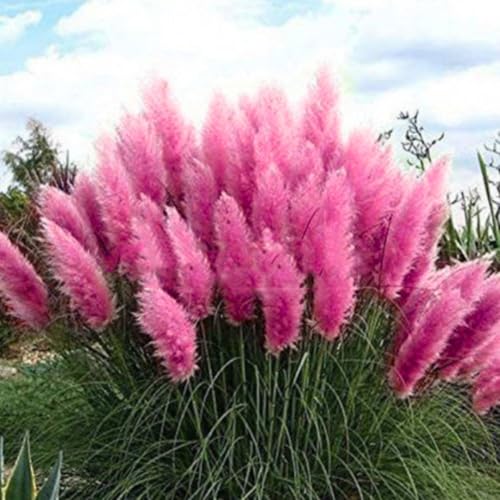
Best for: Visual impact in garden edges or as a dramatic focal point in sunny locations. Pink Pampas Grass provides a soft, blush-toned accent that can complement greens and bronzes in late season as the plumes emerge.
Why selected: These are fully rooted and pruned 5–9 inches tall, offering a strong ready-to-plant option for spring planting. Caution: Availability and size may vary; verify stock and expected growth before purchase.
3 Little Bluestem Grass Live Plant Plug

Best for: Native gardens and drought-tolerant landscapes that need reliable seasonal color. Little Bluestem’s blue-green foliage transitions to red, orange, and copper in fall, offering multi-season interest. It’s well-suited for sunny spots with well-drained soil.
Why selected: This plug set emphasizes native value and wildlife habitat, aligning with native plant gardening goals. Caution: As a plug, establishment may require careful watering in the first weeks after transplanting and depending on local heat and drought conditions.
Muhly Grass Clump (Ruby)

Best for: Spring planting in border beds or landscape accents where vibrant color and texture are desired. Muhly grasses offer a soft, airy look with seasonal color dependent on light and moisture. Zone compatibility ranges from 6 to 10.
Why selected: The Ruby variety provides a vivid plume tone and fast growth, making it a good choice for designers seeking moving texture. Caution: Growth vigor can vary with microclimates; ensure adequate spacing to prevent overcrowding.
2 Grass Ornamental Grasses Seedlings (Pink Pampas)

Best for: Conditional setups needing quick visual impact and a pink-tinted accent in sunny borders. This 2-pack comes from the AVERAR line and is suited for zones 4–9, offering a hardy, low-maintenance option for gardeners who want fast results.
Why selected: The combination of fast establishment and defined color makes it a reliable choice for anchoring a column of grasses in a border. Caution: Pink tones can vary with light exposure; plan for color consistency by site placement and spacing.
Buying Guide
- Climate and hardiness: Choose grasses and perennials that match your USDA zone and microclimate. Look for zone ranges in product features and select natives where possible for better drought tolerance and ecosystem support.
- Sun and soil conditions: Note sun exposure (full sun vs part shade) and soil drainage. Many ornamental grasses prefer moist, well-drained soils, but some tolerate drought once established.
- Growth habit and maintenance: Consider height at maturity, clump formation, and pruning needs. Tall grasses create vertical interest but may require space; low-growing options fit tighter borders.
- Color and texture: Plan for year-round interest by mixing blue-green, yellow, and red fall color with fine, medium, and wide leaf textures. Combine grasses with flowering perennials for seasonal contrast.
- Placement and spacing: Use roughly 30 inches between tall grasses like Karl Foerster to avoid crowding. For plugs and seedlings, follow supplier spacing guidance and expect establishment time.
- Water and care: Establish new plantings with consistent moisture until roots are well established. Mulching helps control weeds and maintain soil moisture in summer heat.
Frequently Asked Questions
- What is the best perennial grass for a low-water landscape?
– Native grasses like Little Bluestem and other drought-tolerant options are strong choices for low-water gardens. - Can ornamental grasses tolerate partial shade?
– Some varieties tolerate partial shade, but many perform best in full sun with well-drained soil. - How tall do ornamental grasses typically grow?
– Height ranges vary: Feather Reed can reach 4–5 feet, while other selections stay shorter in the 2–3 foot range. - Do grass plugs establish quickly?
– Establishment depends on soil, moisture, and weather; provide regular watering and protection during the first growing season. - Are these plants deer-resistant?
– Many ornamental grasses are less palatable to deer, but local pressure and plant condition can affect grazing. - Is there a risk with shipping restrictions for certain regions?
– Some varieties may have limited shipping depending on state regulations; check supplier notes for current restrictions.