Best pH for St Augustine Grass: Top Picks for Healthy Lawns
Choosing the right pH-tolerant St. Augustine varieties and quality plugs can help your lawn thrive across a range of soil conditions. This guide highlights five top products that perform well in diverse pH levels, plus a buying guide to help homeowners balance soil chemistry, shade, and watering for lasting color and texture.
| Product | Brand | Key Benefit |
|---|---|---|
| St. Augustine Seville Sod | Florida Foliage | Excellent shade tolerance and salt/drought resilience |
| SodPods Palmetto Grass Plugs | SOD PODS | Dense, carpet-like growth with strong shade tolerance |
| St. Augustine Palmetto Plugs | Florida Foliage | Finer texture and robust shade/drought tolerance |
| Sunniland St. Augustine Weed & Feed | Generic | Simple, broad-range lawn maintenance for St. Augustine |
| LESCO 50 lb St. Augustine Weed and Feed | LESCO | Slow-release feeding with broad coverage for large lawns |
St. Augustine Seville Sod – 72 Live Plugs
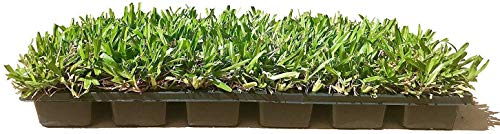
Seville is a finer-textured St. Augustine cultivar known for blue-green color and good color retention. It tolerates salt, shade, and drought, and thrives in a wide pH range, making it suitable for coastal as well as inland soils. This grass establishes quickly and remains plush under moderate shade, typically with 6 to 7 hours of sunlight. Dormant in winter, Seville is a popular choice for lawns that want a dense, soft blade with a refined appearance. It is considered among the more shade-tolerant St. Augustine varieties and remains robust after installation when given proper watering and fertilization schedules.
SodPods Palmetto Grass Plugs

Palmetto Palmetto St. Augustine is a semi-dwarf cultivar with a plush look similar to Seville but with finer texture. It shows strong shade, cold, heat, and drought tolerance across the southern United States, making it a versatile choice for varied soil pH and climate. The 32-count pack includes multiple plugs that mature into a carpet-like lawn when spaced properly. Palmetto produces a color and density that many homeowners value for both residential and commercial landscapes, particularly in lawns with moderate to full sun exposure.
St. Augustine Palmetto | 36 Live Extra Large Grass Plugs

Palmetto is a native St. Augustine cultivar noted for deeper color and a finer texture than ordinary St. Augustine. It demonstrates excellent shade tolerance and broad environmental resilience, thriving in zones with a wide range of pH and soil conditions. As a semi-dwarf grass, Palmetto delivers a lush appearance without excessive thatching, especially when mowed at 3″ to 4″. This makes Palmetto a popular choice for both homes and commercial properties seeking a premium look with robust performance in varied light environments.
Sunniland St.Augustine Weed & Feed Lawn Fertilizer

This weed and feed product is designed to be easy to spread and handle, with a two-application-per-year approach in spring and fall. It is suitable for all types of St. Augustine grasses and helps manage common broadleaf weeds while providing ongoing nutrient support. Regular application helps maintain a uniform lawn color and steady growth, contributing to a healthier root system as soil conditions shift with seasonal changes.
LESCO 50 lb St. Augustine Grass Weed and Feed
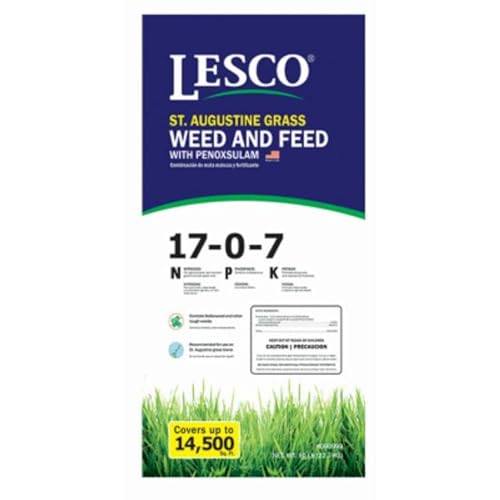
LESCO’s 50-pound formulation is tailored for St. Augustine turf, combining a feeding schedule with selective weed control. The product is designed to be applied when the turf is wet, then allowed to dry for results within about two weeks. It is safe for Floratam and offers slow-release nutrients that extend feeding beyond a single application, making it suitable for large lawns requiring efficient maintenance without frequent reapplication.
Buying Guide
When selecting St. Augustine grass products for a lawn with specific pH considerations, consider:
- Soil pH range most St. Augustine varieties tolerate: Many accept slightly acidic to mildly alkaline soils. For lawns near the coast with higher pH, choose varieties known for broad pH tolerance (e.g., Seville and Palmetto).
- Shade tolerance: If your yard receives limited sun, prioritize Seville or Palmetto, which are among the more shade-tolerant options. Ensure at least 6 hours of light where possible for best results.
- Water and drought resilience: Drought-tolerant cultivars should be paired with a balanced irrigation plan to avoid stress that can alter soil chemistry and growth patterns.
- Soil preparation: Conduct a soil test to determine lime or sulfur needs. Adjust pH gradually to avoid stressing newly installed plugs or sod.
- Maintenance regime: Weed and feed products help manage competing grasses and broadleaf weeds. Choose slow-release fertilizers to maintain steady nutrients and reduce leaching in soils with higher pH or sandy textures.
- Climate compatibility: South and coastal regions may favor salt-tolerant cultivars; inland zones with alkaline soils benefit from varieties with robust pH tolerance and strong root systems.
- Plant density and establishment: Plugs and sod differ in establishment time. Plan for irrigation and care during the transition period to ensure uniform coverage and minimize bare patches.
For best results, align product selection with the specific soil pH, light conditions, and climate of your area. Regular soil tests, proper irrigation, and timely maintenance will help your St. Augustine lawn maintain vibrant color and dense turf across seasons.