Best Plant Covers for Freeze Protection to Shield Your Garden
Protecting garden plants from frost, snow, and cold snaps is essential for a thriving season. This guide highlights top-rated plant covers designed to shield beds, shrubs, and potted plants from freezing temperatures while still allowing light and moisture to reach roots. Below you’ll find practical distinctions, material details, and usage tips to help you choose the right option for your climate and garden layout.
| Product | Size | Material | Best For |
|---|---|---|---|
| SnugNiture Plant Covers Freeze Protection | 10 ft x 33 ft | 1.1 oz/yd² non-woven polypropylene | Large beds, vegetable rows, long-term use |
| Plant Covers Freeze Protection 10 ft x 30 ft | 10 ft x 30 ft | 0.9 oz/yd² non-woven polypropylene | Medium to large garden areas |
| MAQIHAN Plant Cover | 6.5 ft x 13 ft | 1 oz/yd² non-woven fabric | Versatile protection for a single bed |
| UQM 10 x 50 Ft Plant Covers | 10 ft x 50 ft | 1.08 oz/yd² frost cloth | Wide gardening plots and raised beds |
| Clear Outdoor Garden Frost Cover (2-Pack) | Transparent plastic-like frost covers | Cages, pots, and small fruit plants |
SnugNiture Plant Covers Freeze Protection

Premium materials and multiple sizes provide durable frost protection for outdoor plants. The 1.1 oz/yd² non-woven polypropylene fabric offers strong insulation while remaining lightweight. The cover is reusable with proper care—keep it dry and clean to extend its life. Its design balances rain, sun, and airflow so soil heat and plant moisture are not severely disrupted during chilly days.
Key benefits include effective frost and snow shielding, insect and bird barriers, and protection against harsh summer sunlight. The large 10×33 ft footprint enables coverage for long rows or multiple plants in a single installation, reducing the need for frequent adjustments through the season. This makes it suitable for vegetable beds and sprawling garden areas.
Plant Covers Freeze Protection 10x30ft

This 10×30 ft cover delivers a balance of wind resistance and breathability with a 0.9 oz/sq² non-woven polypropylene fabric. It allows sunlight and rain to reach plants while forming a protective barrier against frost and cold winds. The material’s lightness ensures easy handling and quick draping over larger shrubs, tomatoes, peppers, pumpkins, and other garden crops.
Versatility stands out in this option: it’s suitable for germination, seedling support, and extending the growing season. The ability to cut or tailor the fabric to specific plant shapes helps gardeners create targeted protection for uneven beds or irregularly spaced plants.
MAQIHAN Plant Cover
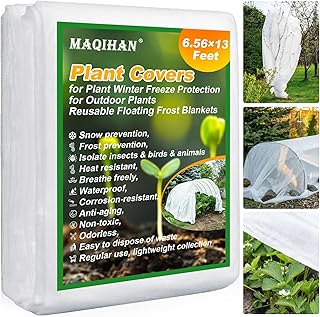
MAQIHAN offers a 6.5 ft x 13 ft frost protection blanket made from 1 oz/yd² non-woven fabric. The material balances insulation with breathability to promote healthy growth under cold conditions. This cover doubles as a sun shield and barrier against pests, making it a flexible tool for seasonal gardening.
Typical use includes cutting to fit individual plants, laying loosely over plant crowns, or using hoops or frames to hold it in place for overnight protection. Its adaptable sizing makes it suitable for small to medium raised beds and potted plant clusters.
UQM 10 X 50 Ft Plant Covers

The UQM cover spans 10 by 50 feet, offering broad temperature protection for extensive garden plots or raised beds. It features a slightly thicker fabric at 1.08 oz/yd², delivering reliable frost resistance while remaining breathable to support plant growth. Its length is ideal for long rows or multiple plantings arranged along the same bed, reducing the need for frequent adjustments across the season.
Designed for winter protection and early spring growth, this option helps extend the growing window. It also serves as a physical barrier against pests and sun damage when used during summer. Proper use includes securing the edges to prevent wind displacement and ensuring adequate airflow to prevent moisture buildup.
Clear Frost Covers For Protecting Plants
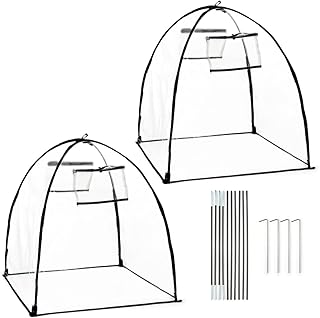
Clear frost covers provide a transparent shield ideal for small potted plants or garden sections that require visibility and light access. These covers help trap heat beneath the canopy while still offering a barrier against animals and cold winds. They’re particularly useful for shielding herbs and fruit-bearing potted plants without blocking sunlight.
When selecting a cover, consider the density of protection, whether you prefer transparent material for light exposure, and how you’ll secure edges. If you have tight space or irregular plant shapes, flexible or two-pack options can be advantageous for quick, on-demand protection.
Buying Guide: Key Purchase Considerations
Material and weight: Thicker fabrics offer better frost protection but may restrict airflow. Look for breathable, non-woven polypropylene that balances warmth with light transmission.
Size and coverage: Choose sizes that fit your beds and groupings. Long runs reduce the number of setups, but ensure you can cut or fold fabric for uneven plant layouts.
Durability and reuse: Reusability saves money and reduces waste. Dry storage and proper cleaning extend the life of frost blankets and floating row covers.
Ease of use: Lightweight fabrics with clear edges, simple anchoring options, and minimal hoops or frames simplify installation, especially for beginners.
Protection scope: Some covers protect from frost only, others shield against pests, sun damage, or wind. Consider your climate and seasonal needs to select multi-functional options.
Plant type compatibility: For seedlings and delicate plants, prioritize breathable fabrics that allow rapid temperature stabilization. For hardy crops, heavier covers can provide extended protection.
Environmental impact: Reusable covers reduce repeated purchases. Look for products designed for multiple seasons and easy storage to maximize sustainability.
These five options cover a range of garden sizes, plant types, and weather scenarios. They provide a practical framework for selecting the right cover to safeguard your garden through cold snaps while maintaining healthy growth and productivity.