Best Plant Food for Japanese Maples: Top Fertilizers for Lush Foliage
Japanese maples thrive with careful feeding that supports vibrant foliage, strong structure, and healthy roots. This guide highlights five reliable options tailored for Japanese maples and similar low-pH feeders, drawing on complete liquid feeds, slow-release blends, and organic options. Each product is evaluated by its nutrient balance, application convenience, and suitability for maple varieties in American gardens.
Summary of selected products:
| Product | Brand | N-P-K Ratio (Approx.) | |
|---|---|---|---|
| Japanese Maple Fertilizer, Complete Liquid Plant Food | TPS NUTRIENTS | General purpose | Liquid |
| FoxFarm Happy Frog Japanese Maple Fertilizer | FoxFarm | 4-3-4 | Granular |
| TreeHelp Premium Fertilizer for Japanese Maple | TreeHelp | Not specified | Granular |
| Bonsai Fertilizer Pellets by Perfect Plants | PERFECT PLANTS | 18-6-8 | Slow-release pellets |
| Japanese Tamahi Organic Fertilizer (Rapeseed Cake) | Calibonsai | 5-4-1 | Organic pellets |
Japanese Maple Fertilizer, Complete Liquid Plant Food

This complete liquid fertilizer is designed for thriving Japanese maples and other maple varietals. It emphasizes balanced nutrition to support vibrant foliage and robust branch growth, with an emphasis on successful transplanting. Liquid formats offer quick uptake and flexible dosing for established trees and young plantings alike.
FoxFarm Happy Frog Japanese Maple Fertilizer

Happy Frog Japanese Maple Fertilizer delivers a nutrient-rich formula with phosphorus and potassium to support the needs of Japanese maples and other low pH feeders. It is formulated for use on maples, lilies, evergreens, and similar plants, offering targeted nutrition for foliage vibrancy and steady growth without overly aggressive fertilizer burn when used as directed.
TreeHelp Premium Fertilizer for Japanese Maple
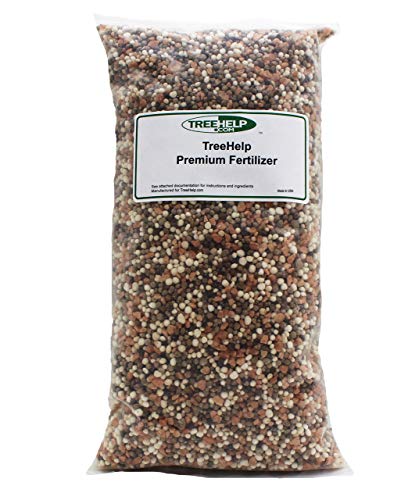
TreeHelp Premium Fertilizer is specifically formulated for Japanese Maple trees, supporting long-term vitality through robust root development. Applicable in garden settings where maples accompany other ornamentals, this granular option is intended to provide steady, enduring nutrition that aids overall tree resilience.
Bonsai Fertilizer Pellets by Perfect Plants

Perfect Plants’ Bonsai Fertilizer Pellets use an 18-6-8 N-P-K ratio, designed for extended enrichment with a convenient application every six months. Suitable for bonsai varieties including Japanese maples, this slow-release formula supports enduring soil nutrition and balanced growth without frequent reapplication.
Live Organic Comfrey Plant – Bocking 14

Comfrey is a traditional soil conditioner, offering organic material that can improve soil health around maples. The Bocking 14 cultivar is non-invasive and fast-growing, providing a natural option to supplement mineral nutrition as part of an overall soil-building strategy for mature or establishing Japanese maples.
Japanese Tamahi Original Rapeseed Cake Fertilizer

This organic fertilizer features a 5-4-1 N-P-K ratio with rapeseed cake as a macro-nutrient source. Largely natural and 100% organic, it provides a slow-release nutrient supply that can suit bonsai and garden maples seeking gradual, sustained nourishment without synthetic additives.
Buying Guide: Key Purchase Considerations For Japanese Maples
- Nutrient balance: Japanese maples prefer balanced, moderate nitrogen with adequate phosphorus and potassium. Consider products labeled for maples, low-pH feeders, or bonsai to match acidity and growth goals.
- Form and release: Liquid feeds offer quick uptake, while granular and pellet forms provide longer-lasting nutrition. For containers or potted maples, liquids can support rapid seasonal responses; in-ground maples may benefit from slow-release formats.
- Application timing: Apply in early spring as new growth begins, with follow-up applications as needed. Avoid late-season feeding in regions with late frosts to prevent leggy growth.
- Organic versus synthetic: Organic options improve soil health over time, while synthetic blends deliver predictable nutrient ratios. A mix of approaches can balance immediate results with long-term soil quality.
- Soil compatibility: Ensure the chosen fertilizer matches soil pH and texture. Low pH feeders like many Japanese maples respond well to formulations that maintain acidic to neutral conditions.
- Root health and structure: Fertilizers supporting robust root development help with transplanting and overall tree resilience, particularly for younger maples or those recently transplanted.
- Container versus landscape use: In containers, monitor fertilizer concentration and frequency to prevent salt buildup. In landscapes, follow label directions to avoid over-fertilization that can stress the tree.
- Environmental considerations: Favor slow-release and organic options in sensitive garden areas to minimize runoff and promote sustainable growth.
Note: This guide presents products with varied formats and nutrient profiles. Always follow the manufacturer’s instructions for application rates, timing, and safety. For maples in regions with specific climate challenges, consult local extension services for site-specific feeding recommendations.