Best Pressure Valve Sprinkler System Backflow Preventers for Safe Irrigation
Answering your search for reliable pressure valve sprinkler system backflow preventers, these five options deliver solid anti-siphon protection, durable brass construction, and clear installation guidance. Best for homeowners upgrading residential irrigation, small commercial lawns, and DIY projects seeking certified, long-lasting backflow preventers. The table below highlights quick-start differences to help compare options at a glance.
| Product | Size | Material | Max PSI | Best For |
|---|---|---|---|---|
| YEE 1″ 720A | 1″ | Brass | 400 | Commercial or large residential systems |
| ONDAQUA 3/4″ | 3/4″ | Brass | 400 | Non-potable irrigation with certification requirements |
| ONDAQUA 1″ | 1″ | Brass | 400 | Potable/Non-potable compatibility with certified standards |
| YBLKY 3/4″ | 3/4″ | Brass | 400 | Residential irrigation with simple setup |
| UPGRADED 1″ 720A (LTLUO) | 1″ | Brass | 400 | High-pressure systems; sealant-based installation |
YEE 1″ 720A Pressure Vacuum Breaker Assembly
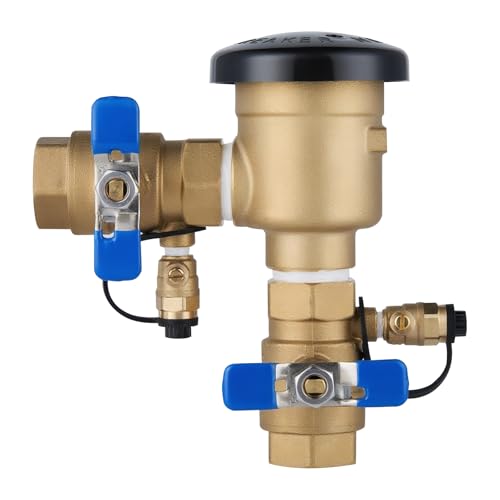
Best for larger residential or light commercial irrigation setups requiring robust backflow protection. The 1″ brass PVB offers corrosion resistance and supports operating pressures up to 400 PSI. Designed with a centerline test plug and compact dimensions for flexible installation. Includes clear flow direction arrows to aid proper positioning above the highest downstream outlet.
- Who it’s for: DIY homeowners and install pros needing durable, high-pressure backflow prevention.
- Why chosen: Thick brass construction and certified performance under high pressure reduce maintenance intervals.
- Caution: Ensure a minimum installation height of 12 inches above downstream outlets for effective anti-siphon coverage.
ONDAQUA 3/4″ UPC Certified Pressure Vacuum Breaker

Best for smaller residential irrigation lines that require certified backflow prevention and lead-free construction. This 3/4″ unit carries UPC certification and ASSE 1020-2020 compatibility. It features PTFE-sealed connections and a tested service life exceeding 15 years, with a 400 PSI rating suitable for most irrigation feeds.
- Who it’s for: Homeowners prioritizing certified, lead-free backflow preventers.
- Why chosen: Certification and robust testing improve reliability in potable and non-potable systems.
- Caution: PTFE tape use is noted; ensure proper sealing during installation and avoid over-tightening.
ONDAQUA 1″ UPC Certified Brass PVB

Best for mid-to-large irrigation lines requiring high flow and certified backflow protection. This 1″ model combines thick brass with certified safety standards and reliable sealing for long-term performance in demanding outdoor water systems.
- Who it’s for: Installers needing certified, durable 1″ backflow prevention.
- Why chosen: Combines certification, high flow, and strong brass construction.
- Caution: Follow 12-inch minimum height guideline and verify downstream outlet clearance for optimal anti-siphon function.
YBLKY 3/4″ 720A Pressure Vacuum Breaker Assembly
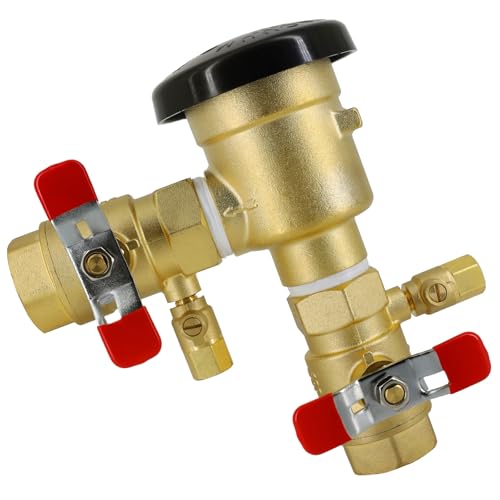
Best for cost-conscious residential projects needing anti-siphon protection in garden beds and outdoor water lines. The 3/4″ brass unit handles up to 400 PSI and fits typical irrigation configurations with its straightforward centerline plug setup.
- Who it’s for: Home gardeners and small yards.
- Why chosen: Good balance of price and protection for standard irrigation systems.
- Caution: Ensure proper height placement and avoid placing near heat sources that could affect brass over time.
UPGRADED 1″ 720A Pressure Vacuum Breaker Assembly (LTLUO)

Best for high-pressure irrigation systems requiring superior sealing and a heavier brass build. This unit emphasizes a sealant-based approach instead of Teflon tape and offers a thickened brass body for added durability and corrosion resistance.
- Who it’s for: Professional installs and DIYers needing long-term reliability under high pressure.
- Why chosen: Upgraded sealing and robust material composition enhance longevity.
- Caution: Do not unscrew the valve mid-service; re-sealing may be required to maintain integrity.
Buying Guide: Pressure Vacuum Breakers and Sprinkler System Backflow
What to consider when selecting a backflow preventer for sprinkler systems:
- Certification and standards: Look for UPC/IAPMO or ASSE 1020-2020 compliance if your local codes require it. Lead-free materials are also important for drinking water safety.
- Size and flow: Match the valve size to your irrigation line (3/4″ vs 1″). Higher PSI ratings support larger systems and longer runs.
- Material quality: Thickened brass provides corrosion resistance and longer service life in outdoor environments.
- Installation requirements: Note minimum height above outlets (commonly 12″) for effective backflow prevention and ensure proper flow direction marking.
- Sealing method: Some products use sealant instead of Teflon tape—follow manufacturer guidance to avoid leaks and preserve the seal during high-pressure operation.
- Maintenance and access: Choose units with accessible test plugs and straightforward testing procedures for routine checks.
Frequently Asked Questions
- What is a pressure vacuum breaker and why do I need one?
A pressure vacuum breaker prevents backflow of irrigation water into the clean water supply, protecting potable water from contamination when pressure drops in the system.
- What does “400 PSI” mean for these devices?
400 PSI is the maximum operating pressure the backflow preventer is designed to handle safely; exceeding it can compromise performance and safety.
- Do I need certification for my backflow preventer?
Certain jurisdictions require UPC/IAPMO or ASSE certifications; check local plumbing codes for compliance in your area.
- Where should I install a backflow preventer?
Install the device above the highest downstream outlet, typically with a minimum 12-inch clearance, to ensure effective anti-siphon protection.
- Can I use Teflon tape on these valves?
Many products specify using sealant or Teflon tape; follow the manufacturer’s recommended method to ensure a reliable seal and avoid voiding warranties.
- Which size should I choose for my system?
Choose 3/4″ for smaller residential lines and 1″ for larger systems or higher flow requirements to maintain adequate protection without restricting water delivery.