Best Purple Crape Myrtle Bushes for Your Garden
The best purple crape myrtle bushes offer vibrant summer color, low maintenance needs, and adaptable growth habits for American landscapes. This guide highlights five carefully chosen options, suitable for different yard sizes, climates, and aesthetic goals. Whether you want a compact accent, a mid-sized shrub, or a statement specimen, these selections help you compare bloom timing, mature size, and care requirements at a glance.
Buyer profile overview:
- Small spaces or containers: compact or dwarf varieties that stay within 6–10 feet when mature.
- Medium landscapes: upright shrubs or small trees that create vertical interest.
- Extended bloom lovers: varieties with long-lasting purple blooms, tolerant of heat and drought.
| Product | Type | Best For | Notes |
|---|---|---|---|
| Purple Crape Myrtle Tree • 6-12″ Tall | Live Plant | Small garden spaces, containers | Drought-tolerant, blooms all summer |
| 4 Pack Purple Flowering Ornamental Crape Myrtle Trees | Quart-container trees | Mass planting, mixed borders | Blooms over 100 days, heat-tolerant |
| Miss Sandra Crape Myrtle | Upright tree form | Focal point, large landscape features | 20 ft tall potential, purple blooms |
| Velmas Royal Delight Crape Myrtle | Dwarf tree / shrub | Hedges, small gardens | 8–10 ft mature, dark purple blooms |
| 5 Purple Crape Myrtle Trees • 10-18″ Live Plants | Bareroot live plants | Budget-friendly color splash | Five plants, drought-tolerant |
Purple Crape Myrtle Tree — 6-12″ Tall Live Plant

Best for: gardeners with tight spaces seeking a compact purple bloom accent. This small live plant arrives in a quart pot, ready to establish with minimal root disturbance. The plant offers a colorful bloom display all summer and is described as easy to care for and drought-tolerant, making it ideal for container gardens or small beds where space is limited.
Why selected: It provides a strong visual impact in a compact form, delivering reliable color without crowding nearby plants. The drought tolerance helps in hot summer regions where irrigation may be limited.
Caution: As a small plant, establishment may take a season to reach full bloom; protect from heavy frost in colder zones.
4 Pack Purple Flowering Ornamental Crape Myrtle Trees

Best for: homeowners planning a vibrant border or small ornamental area with multiple blooming points. This set ships in quart containers and can establish quickly for a more dramatic summer-long display. The purple blooms reliably extend through a long portion of the growing season and tolerate heat well.
Why selected: The multi-plant option is cost-efficient for creating cohesive color blocks in gardens, patios, or along walkways. A 100+ day bloom potential offers extended visual impact during peak months.
Caution: Ensure proper spacing (about 6–10 feet apart when mature) to allow air circulation and reduce disease risk in humid regions.
Miss Sandra Crape Myrtle — Dark Purple Blooms

Best for: landscape plans seeking a medium-to-large focal tree with striking purple blooms. This plant is described as maturing into a tall specimen with an expansive canopy, suitable for features like entryways, backdrops, or lawn specimen plants.
Why selected: Its mature size and spectacular bloom clusters offer high landscape value and long-season color. The shipment condition indicates a well-rooted plant in a pot, ready for immediate planting.
Caution: In colder areas, protect young trees from late frost; growth can be slower in short growing seasons.
Velmas Royal Delight Crape Myrtle — Dark Purple Flowers
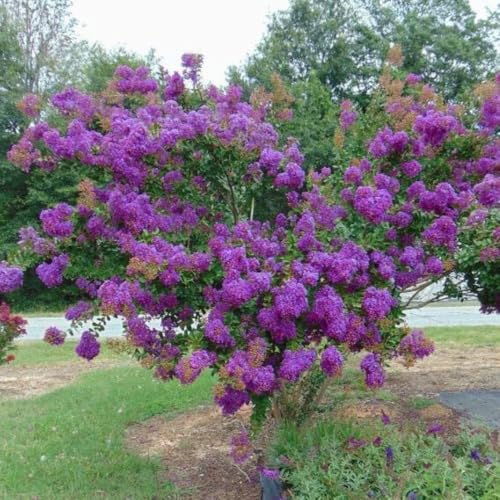
Best for: gardeners wanting a unique dwarf-tree texture with deep purple blooms, suitable for hedges, borders, or compact spaces. This plant typically reaches a manageable height and width, offering a dense bloom display during mid-summer to fall.
Why selected: The dwarf-to-mid size range expands design possibilities in smaller yards or layered garden plans where height variety adds interest without overwhelming space. The lavender-to-purple bloom note provides a distinct color range within purple salients.
Caution: As a smaller tree, early pruning should be considered to shape form and maintain desired height as it matures.
5 Purple Crape Myrtle Trees — 10-18″ Live Plants

Best for: budget-conscious buyers seeking an initial burst of color with multiple plants to establish a border, row, or grouping. Bareroot status means lighter handling and faster root spread once planted in-season.
Why selected: The multiple-plant option allows rapid color development across a space and is well-suited for long-term border design, hedges, or back-of-border accents in warm climates.
Caution: Bareroot stock requires prompt planting after delivery for best survival; monitor moisture closely during establishment.
Buying Guide
What size and growth habit should you consider?
Purple crape myrtles range from compact dwarf forms to tall upright trees. Choose based on space, desired height, and whether you want a focal point or a border plant. Dwarf varieties generally stay under 8–10 feet, while larger forms can reach 15–20 feet or more in ideal conditions.
Bloom color, timing, and seasonality
All options here emphasize purple flowers, with bloom windows spanning late spring through fall in many climates. If you want a longer display, select multiple plants with staggered flowering times or varieties noted for late-season blooms.
Maintenance and drought tolerance
Crape myrtles are typically drought-tolerant once established and relatively low-maintenance. Choose drought-tolerant varieties if you expect dry spells or limited irrigation. Pruning influences bloom display and plant shape; plan pruning around bloom cycles to maximize color.
Container vs. in-ground planting
Small forms and quart-container plants suit containers and small gardens. Larger specimens and bareroot plants are suited for in-ground beds, borders, and landscape features. Ensure good drainage for container plantings and proper soil conditioning for in-ground installations.
Soil and climate considerations
Crape myrtles prefer well-drained soil and full sun for best bloom. They tolerate heat well and can adapt to various soil types, though heavy soils with poor drainage may hinder establishment. Check your hardiness zone to match the variant with expected winter survivability.
Planting and care quick tips
- Plant at the same soil level as in the pot or nursery container.
- Water deeply after planting, then establish a regular, but moderate, watering schedule during the first growing season.
- Apply mulch to conserve moisture and regulate soil temperature.
- Prune after flowering to maintain shape and encourage new growth for next year’s blooms.
FAQ
- What is the best purple crape myrtle for small spaces? – A compact or dwarf cultivar is ideal for containers or tight borders, offering vibrant summer color without crowding nearby plants.
- Are purple crape myrtles drought-tolerant? – Yes, most established crape myrtles tolerate dry conditions well, making them suitable for hot summer climates.
- Do crape myrtles require a lot of pruning? – Pruning is optional but recommended to shape the plant and encourage flowering. Avoid heavy pruning that reduces bloom potential.
- Can crape myrtles grow in containers long-term? – They can, especially dwarf or compact forms, provided the container has good drainage and frequent feeding during the growing season.
- What is the typical mature size for purple crape myrtles? – Sizes vary from 6–10 feet for compact varieties to 15–20 feet for larger upright forms, depending on cultivar and growing conditions.
- When is the best time to plant crape myrtles? – Plant in spring after the risk of frost has passed or in early fall in milder climates to establish roots before heat of summer.