Best Purple Flower Ground Cover Options for Weed Control and Garden Beauty
Direct answer: Purple flowering ground covers are an excellent choice for suppressing weeds, reducing maintenance, and adding color to paths, rock gardens, and borders. This guide highlights five well-suited options and explains who should choose each one. Ideal buyers include landscapers seeking low-maintenance borders, homeowners extending color along walkways, rock-garden enthusiasts, and anyone replacing turf with a fragrant, drought-tolerant cover.
Summary of top picks
| Product | Best For | Notes |
|---|---|---|
| BuggyBeds Purple Creeping Thyme (20000 seeds) | Paths, lawns, and rock gardens | Fragrant, drought-tolerant ground cover with purple blooms |
| KVITER Purple Rock Cress Seeds | Rock gardens and walls | Compact, cascades, great between stones |
| HOME GROWN Aubrieta Rock Cress Purple | Beds, rock gardens, and walls | Dense, deep-purple flowers, cascading habit |
| PUVWEZN Purple Creeping Thyme Seeds (25000 seeds) | Lawn alternatives and pathways | Very high germination, drought-tolerant, fragrant |
| HOME GROWN Purple Creeping Thyme Seeds (22,000+) | High-traffic areas and garden edges | Non-GMO, aromatic ground cover with durable mats |
BuggyBeds Purple Creeping Thyme Seed
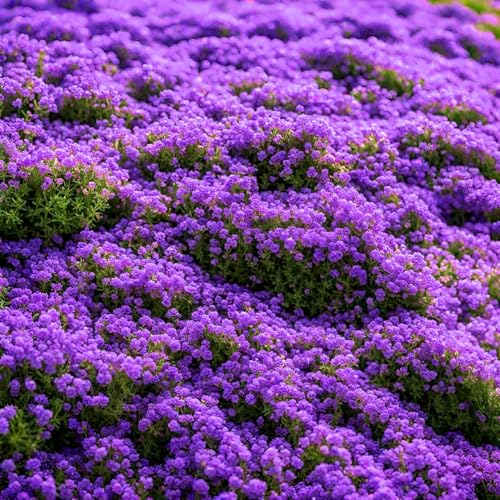
Reference features: Coverage of 20,000 seeds; perennial growth forms a dense, fragrant mat; versatile planting for rock gardens, pathways, and lawn alternatives; helps suppress weeds with a low-growing habit. Best for buyers who want a fragrant, drought-tolerant ground cover that can cover large areas over time. Caution: germination and establishment depend on soil drainage and sun exposure; ensure full sun for best results.
KVITER Purple Rock Cress Seeds

Reference features: Quick germination with surface sowing; 10–14 days to sprout at 60–65°F; full sun to partial sun and well-drained soil; forms low mats with trailing edges; seed spacing 6–12 inches; solid choice for rock gardens, bed edges, and between stones. Best for buyers seeking a compact, cascading ground cover that thrives in sunny, dry spots. Caution: prefers well-drained soil; in heavy clay, improve drainage for optimal growth.
HOME GROWN Aubrieta Rock Cress Purple

Reference features: Non-GMO, open-pollinated, and ready for outdoor planting; forms dense mounds with deep-purple flowers and a fragrant, lush texture; thrives as a ground cover in challenging spots like between stones and near walls; creates a “living canvas” effect with cascading growth. Best for buyers who want a flower-forward rock garden or wall-friendly mat. Caution: Aubrieta prefers well-drained soil and can struggle in overly rich, waterlogged conditions.
PUVWEZN Purple Creeping Thyme Seeds

Reference features: 25,000 seeds for ground cover; germination often within 1–3 weeks; cold-hardy and drought-tolerant; grows well as a lawn alternative and path cover; supports pollinators and adds fragrance when stepped on. Best for buyers who want a high-seed-volume option with quick coverage and fragrance. Caution: heavy foot traffic can compact soil; ensure loose, well-drained soil for best spreading.
PLANTMEW 20000+ Creeping Thyme Seeds

Reference features: High germination ground cover seeds; easy to plant on paths and garden spaces; thrives in full sun and tolerates poor soils; fragrant and pollinator-friendly; creates a lush carpet that reduces soil moisture loss. Best for buyers who want a fragrance-forward, low-maintenance replacement for bare soil. Caution: germination quality can vary with seed lot; ensure proper soil preparation and moisture to maximize germination.
HOME GROWN Purple Creeping Thyme Seeds (22,000+)
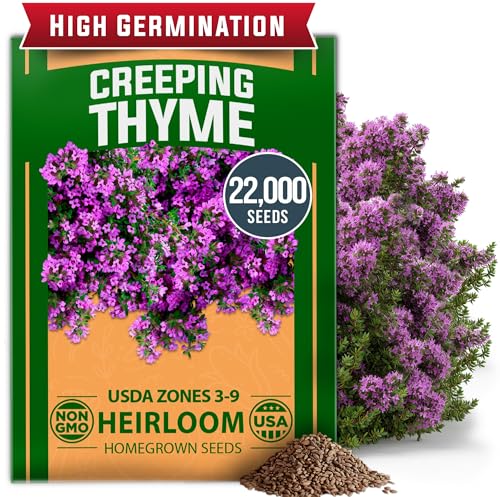
Reference features: Non-GMO, 22,000+ seeds; quick germination in 14–21 days; ideal for high-traffic areas and edges; provides aromatic foliage and vibrant purple blooms; suited for lawns and paths as a ground cover. Best for buyers who need a robust, edible herb-based ground cover with fragrance. Caution: may require regular mowing or trimming to maintain a low profile in very hot climates.
Buying Guide: Purple Flower Ground Cover Seed Choices
What to consider before buying
- Sun exposure: Most purple ground covers prefer full sun to partial shade. Assess your site’s daily sun hours to pick a variety that thrives there.
- Soil drainage: Drought-tolerant options like creeping thyme perform best in well-drained soil. If your soil is heavy, amend or choose a plant tolerant of moisture.
- Foot traffic: If the area experiences frequent foot traffic, choose a hardy thyme or a robust rock cress that forms dense mats.
- Germination and establishment: Seed lots vary in germination rates. Look for high germination percentages and seed freshness. Consider indoor start timing if your climate has a late season.
- Color and bloom: Aubrieta and rock cress offer rich purple blooms in spring. Thyme varieties provide fragrant foliage and smaller, delicate purple flowers; choose based on bloom time and fragrance.
Choosing between thyme and aubrieta rock cress
- Thyme (Thymus serpyllum): Best for paths, lawns, and well-drained beds; drought-tolerant; fragrance adds sensory appeal and deters some pests.
- Aubrieta (Aubrieta deltoidea): Best for rock gardens, walls, and cascading displays; strong color display; thrives in sun and tolerates dry soils but may require more attention to drainage.
Water and maintenance expectations
- Water initially to establish; once rooted, most ground covers require minimal irrigation in moderate climates.
- Occasional pruning helps maintain a tidy mat and encourages new growth in thyme varieties.
- Mulching around the base can help conserve moisture and reduce weeds, but avoid piling mulch against stems.
Planting tips for best results
- Prepare a weed-free seed bed or use minimal soil amendments to preserve drainage.
- Follow seed depth guidelines; many ground covers germinate best with shallow sowing.
- Space plants per mature canopy to prevent overcrowding and ensure uniform coverage.
Common risks and how to avoid them
- Overwatering can lead to root rot in thyme varieties. Ensure drainage and adjust irrigation to soil conditions.
- Persistent shade may reduce flowering intensity. If possible, select sun-loving cultivars for shaded sites.
- Invasive tendencies are uncommon but monitor vigorous spreads to keep a neat border or path.
Quick reference: selection at a glance
- Best for fragrance and large-area coverage: BuggyBeds Purple Creeping Thyme Seed; PUVWEZN Purple Creeping Thyme Seeds
- Best for rock walls and cascading displays: KVITER Purple Rock Cress Seeds; HOME GROWN Aubrieta Purple
- Best for low maintenance and resilience in paths and edges: HOME GROWN Purple Creeping Thyme Seeds; PLANTMEW 20000+ Creeping Thyme Seeds
FAQ
- Q: Are purple ground cover seeds easy for beginners? A: Yes, several options offer rapid germination and simple care, especially creeping thyme varieties.
- Q: Which is best for a weed-suppressing lawn alternative? A: Creeping thyme varieties are well-suited for lawns and pathways, forming dense mats that block weeds.
- Q: Will purple ground covers attract pollinators? A: Many options support pollinators; thyme, in particular, attracts bees and butterflies when in bloom.
- Q: How should I space plants for best coverage? A: Follow seed or plant spacing guidelines—typically 6–12 inches apart for low-growing rock cress and thyme variants.
- Q: Do these seeds tolerate drought once established? A: Most creeping thyme varieties are drought-tolerant; rock cress and aubrieta perform well in well-drained soils but prefer sun.
- Q: Can I use these seeds in shaded areas? A: Some varieties tolerate partial shade; check the cultivar’s sun requirements before planting.