Best Purple Passion Flower Seeds for a Colorful Garden
Purple passion flowers light up landscapes with their tropical charm and intricate blossoms. This guide highlights top purple passion flower seeds and plants from reputable brands to help American gardeners grow vibrant climbers, attract pollinators, and create a lush, fragrant display. Each option offers a distinct combination of growth habit, bloom quality, and fruit potential, making it easier to choose the right fit for trellises, arbors, or garden borders.
| Product | Brand | Type |
|---|---|---|
| Eden Brothers Passiflora Seeds – Purple Passion Flower | Eden Brothers | Seeds |
| Passion Fruit Live Plant 4 Pack – ‘Possum Purple’ | Fam Plants | Live Plants |
| Passionflower Seeds – Perennial Climbing Vine (Passiflora caerulea) | LUSORA VALE | Seeds |
| Seeds Passion Flower 10+ Seeds | Sprouticus Maximus | Seeds |
| Passion Flower Plant Live, 5 to 8 Inch Tall | AVERAR | Live Plant |
The selections below are organized to help you compare growth habits, bloom potential, and care needs so you can decide which purple passion flower option best suits your climate, space, and gardening goals.
Eden Brothers Purple Passion Flower Seeds

Eden Brothers offers Passiflora seeds that yield a creeping vine with flowers typically 2 to 3 inches wide at each node. This option emphasizes ornamental value with vivid purple blooms and the possibility of edible fruit. As with many passion flowers, expect a vigorous climber that benefits from a sturdy trellis and full sun. These seeds provide a starting point for gardeners focused on color, pollinator activity, and a classic passion-flower look in borders or garden walls. The educational history behind the plant’s name adds cultural interest to this cultivar.
Passion Fruit Live Plant 4 Pack – Possum Purple
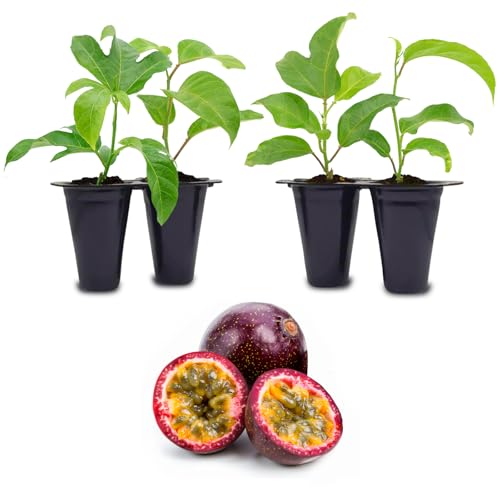
This option provides four live starter plants of the Possum Purple passion fruit (Maracuyá), ready for trellises, arbors, or large containers. It’s advertised as self-fertile and flower-rich, simplifying fruit set without needing a second pollinator. The plants prefer full sun and well-drained, slightly acidic soil (pH ~5.5–6.5) with sturdy support for climbing vines. Growth tends toward rapid establishment, with fragrant blossoms signaling a productive, tropical-inspired garden feature.
Passionflower Seeds – Perennial Climbing Vine (Passiflora caerulea)

LUSORA VALE offers Passiflora caerulea seeds for a perennial climber that brings exotic blooms in purple and white tones. This option aims to provide long-term coverage on fences, trellises, pergolas, or walls, with lush foliage and striking flowers appealing to pollinators. The plant can serve as a focal point in a sunny corner, attracting bees, butterflies, and hummingbirds. It’s a strong choice for gardeners seeking a robust, ornamental vine with ongoing seasonal interest.
Seeds Passion Flower 10+ Seeds by Sprouticus Maximus

Sprouticus Maximus provides a batch of more than ten seeds for a purple and white exotic perennial climber. This option emphasizes a vigorous growth habit, capable of quickly covering fences, trellises, or arbors, with a potential reach of up to 20–30 feet in a single season. Flowers attract bees, butterflies, and hummingbirds, enhancing pollinator-friendly landscapes and adding dramatic vertical color to sunny spaces.
Passion Flower Plant Live – 5 to 8 Inch Tall (Blue Passion Flower)

This AVERAR live plant arrives as a 5–8 inch tall, well-rooted starter, offering a vigorous climber with tropical blooms. It thrives in full sun to partial shade and blooms from late spring through summer. The plant is noted for being cold-hardy in USDA Zones 6–10 and is easy to grow with regular watering. It provides immediate visual impact and is well-suited for gardeners who want quick, garden-wide coverage with impressive floral displays.
Buying Guide: Key Considerations For Purple Passion Flowers
- Growth habit and space: Seeds typically require a trellis or support and may take longer to establish, while live plants offer quicker coverage and a head start on flowering.
- Climate compatibility: Most passion flowers enjoy full sun and warm conditions; some varieties tolerate partial shade and a wider hardiness range. Check your USDA zone against the plant’s tolerance.
- Pollination and fruit: Some varieties are self-fertile and fruit-bearing, while others may require cross-pollination with a related cultivar. If fruit is a goal, confirm pollination needs.
- Soil and watering: Well-drained soil and consistent moisture promote better growth. Slightly acidic to neutral soil is often preferred for several cultivars.
- Bloom quality and fragrance: Expect intricate, tropical-looking flowers with strong fragrance in many cultivars; bloom size and color can vary between seeds and live plants.
- Maintenance and pruning: Regular pruning after flowering can help control size and encourage more blooms. Some varieties require more staking and support than others.
- Pollinator appeal: Passion flowers attract bees, butterflies, and hummingbirds, supporting a pollinator-friendly garden and enhancing ecosystem health.
- Aesthetics vs. fruit: If the emphasis is ornamental bloom, seeds and plants with prominent flowers may be preferable. If fruit is desired, ensure the cultivar is fruit-producing and suited to your climate.
- Care complexity: Live plants offer immediate impact but may require more careful handling during transit and establishment. Seeds demand patience but can be cost-effective and rewarding for experienced gardeners.