Best Soil for Aquatic Plants: Top Substrates for Lush Water Gardens
Choosing the right soil is essential for thriving aquatic plants in ponds, aquariums, and water gardens. The following five substrates are popular, nutrient-rich choices designed to support robust root systems, clear water, and vibrant foliage. Each product is evaluated for suitability across ponds, planted tanks, and hydroponic-inspired water features. Use this guide to compare texture, nutrient release, and compatibility with common aquatic species.
Summary table of selected products:
| Product | Brand | Best For | Notes |
|---|---|---|---|
| Omitgoter Aquatic Plant Soil & Aquarium Soil | Omitgoter | Lotus, water lilies, tanks, terrariums | All-natural clay base with ecological balance |
| Doter Aquatic Plant Soil for Lotus & Pond Plants | Doter | Aquariums, ponds, hydroponics | Nutrient-rich, balanced pH, slow-release minerals |
| Aqueon Plant and Shrimp Aquarium Substrate | Aqueon | Freshwater plants, shrimp, snails | Versatile, promotes broad plant growth |
| Fluval Natural Mineral-Rich Volcanic Soil | Fluval | Planted tanks, color and growth enhancement | Activates beneficial bacteria, stabilizes conditions |
| The Pond Guy Planting Soil for Decorative Water Gardens | The Pond Guy | Pond lilies, lotuses, bog plants | Low clouding, nutrient-balanced |
Omitgoter Aquatic Plant Soil & Aquarium Soil
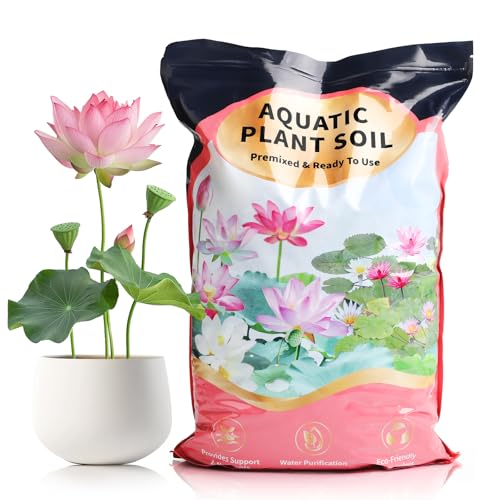
Omitgoter’s aquatic soil features a 100% natural soil mix designed for water plants. It supports microbial activity to promote a healthy root zone and is described as suitable for lotus ponds, aquariums, hydroponic gardens, and terrariums. The clay-based substrate aims to provide stable anchorage and nutrient availability for diverse aquatic species, including lotus and water lilies. This soil is marketed to balance ecological conditions while remaining versatile for multiple aquatic environments. Users seeking a natural, substrate-driven approach may find it advantageous for long-term plant vigor.
Doter Aquatic Plant Soil for Lotus & Pond Plants

Doter offers a scientifically balanced aquatic plant soil designed for lotus ponds, aquariums, and hydroponic setups. The mix emphasizes natural ingredients with a focus on pH balance and mineral content to support root development and vigorous growth. The substrate is positioned as nutrient-rich with slow-release minerals, helping aquatic plants such as water lilies and lotuses thrive without chemical additives. It’s suitable for both indoor tanks and out-of-water garden ponds, providing versatility for multi-environment installations.
Aqueon Plant and Shrimp Aquarium Substrate
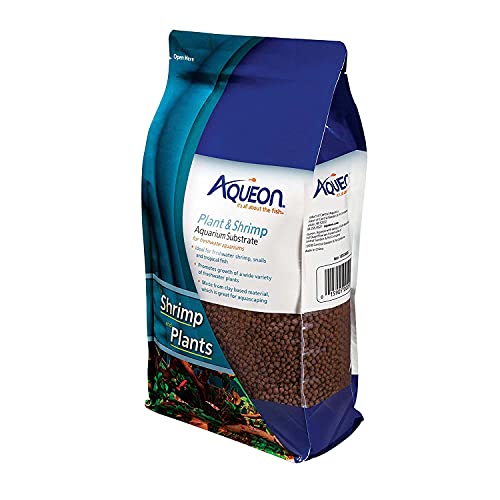
Aqueon’s substrate is marketed for a wide range of freshwater plants, shrimp, snails, and tropical fish. The emphasis is on compatibility with diverse aquatic life while promoting plant growth across various species. This substrate is portrayed as a flexible option for hobbyists seeking a single soil solution for mixed ecosystems, including planted tanks and community aquariums. It’s suitable for those who want reliable plant support without specialized conditioning for a single plant type.
Fluval 12696 Natural Mineral-Rich Volcanic Soil Bio Stratum

Fluval’s volcanic mineral-rich substrate is designed to promote robust plant growth and vibrant coloration. It contains dormant nitrifying organisms that activate upon contact with water, jump-starting the nitrogen cycle and contributing to a balanced aquarium. The substrate is also described as helping stabilize water conditions in new setups, reducing ammonia levels quickly. This makes it suitable for new tanks and plant-heavy aquariums that require fast establishment of a healthy microbial ecosystem alongside plant roots.
Aquatic Soil For Pond Plants 5.5LBS (WBHWW)

WBHWW’s pond soil is designed as a balanced medium for pond lilies, water plants, and other aquatic flora. It emphasizes balanced nutrition, stable anchorage, and superior water retention to maintain proper moisture levels for root systems. The product is positioned to reduce root rot risk and support long-term stability in pond environments, particularly where water movement is present. It’s a practical option for pond enthusiasts seeking reliable, consistent performance.
The Pond Guy Planting Soil for Decorative Water Gardens

The Pond Guy offers ready-to-use aquatic planting soil crafted for decorative water gardens and patio ponds. The loamy composition traps oxygen and fosters beneficial microbe colonies, providing balanced nutrition without clouding water. It’s pitched as ideal for lilies, lotus, bog plants, and other ornamental aquatic species. The absence of peat moss and the focus on cloudless water make it a solid option for clear-water pond displays and mixed plantings.
Buying Guide: Key Purchase Considerations
- Plant type and environment: Match soil texture and nutrient release with the target plants (lotus, water lilies, bog plants) and the water body (pond vs. aquarium).
- Mineral content and pH stability: Some soils are designed to balance pH and provide slow-release minerals; others emphasize quick nutrient availability. Consider your water chemistry and plant needs.
- Water clarity and clouding risk: Fine-grained soils can cloud water temporarily. Look for products marketed as non-clouding or designed for clear-water setups if aesthetics matter.
- Microbial activation: Substrates that promote beneficial bacteria can help establish the nitrogen cycle in new tanks and ponds.
- Stability and anchorage: For flowing water or outdoor ponds, select a substrate that offers strong root anchorage and reduces the risk of sediment displacement.
- Multifunction compatibility: If you maintain mixed environments (plants with shrimp or fish), choose substrates listed as aquarium-safe and compatible with your inhabitants.
- Maintenance and replacement: Consider how often the substrate may need replacement or replenishment as plants mature and demand shifts.
In selecting soil for aquatic plants, it helps to weigh the trade-offs between rapid nutrient delivery and long-term stability. If cloudiness is a concern, prioritize substrates explicitly designed to minimize sediment dispersion. For beginners, a versatile, aquarium-safe soil that supports a broad range of plants and livestock can simplify maintenance while still delivering strong growth and color. For experienced hobbyists, soils with slow mineral release and microbial activation can offer superior plant performance in established systems.