Best Soil for Poinsettia in Containers
Finding the right soil mix is crucial for poinsettias, especially when kept indoors. The following selections are designed to balance drainage, moisture retention, and gentle nutrients to support bright bracts and healthy foliage. Each option is suitable for container gardening and indoor houseplants, with attention to pest resistance and pH stability.
The table below highlights five soil products that align well with poinsettia care in homes across the United States. Consider your pot size, plant weight, and whether you prefer organic blends or quick-release nutrients when choosing your soil mix.
| Product | Brand | Key Benefit | Format |
|---|---|---|---|
| Miracle-Gro Houseplant Potting Mix | Miracle-Gro | Less prone to gnats; formulated for indoor houseplants | 4 qt |
| Miracle-Gro Indoor Potting Mix | Miracle-Gro | Blended for a wide variety of indoor plants; 6 months feeding | 6 qt (2-pack) |
| Rosy Soil Indoor Potting Soil | Rosy Soil | Biochar-enriched for robust root systems and moisture balance | 8 qt |
| Old Potters All-Purpose Growing Media | Old Potters | Weighted mix for stability in containers; balanced pH | 24 quarts |
| Miracle-Gro Organic Indoor Potting Mix | Miracle-Gro | OMRI-listed; protects against over/under watering | 16 qt |
Miracle-Gro Houseplant Potting Mix Review

Miracle-Gro Houseplant Potting Mix blends essential elements that indoor plants need to thrive. This formulation emphasizes a balance of perlite, sphagnum, and peat moss, contributing to improved drainage while maintaining adequate moisture. It is marketed as less prone to gnats, a common issue with indoor soils, making it a practical choice for poinsettias kept inside homes. The mix is recommended for popular houseplants such as pothos, spider plants, monstera, philodendron, and English ivy, which share similar root and moisture needs with poinsettias.
For poinsettias, this potting mix supports stable root systems and helps prevent overwatering in tighter containers. While not labeled as organic, its compost-friendly ingredients provide a reliable medium that water lovers and droopy roots can tolerate. Users should monitor watering frequency to align with poinsettia growth cycles, especially during seasonal shifts when light levels change.
Miracle-Gro Organic Outdoor Potting Mix

Although marketed for outdoor container plants, Miracle-Gro Organic Outdoor Potting Mix offers a readily available organic option with quick-release natural fertilizer. It feeds plants for up to two months, which can be advantageous for poinsettias during active growth periods or when transplanting into new pots. The mix uses responsibly sourced peat and is suitable for various outdoor containers, making it a versatile choice for gardeners who also enjoy seasonal plantings indoors or near sunlit patios.
When repurposing an outdoor mix for poinsettias indoors, ensure adequate drainage and adjust watering to prevent damp conditions around the root zone. The organic fertilizer helps establish early growth, but poinsettias typically benefit from a controlled feeding plan aligned with flowering cycles. This option can be part of a broader soil strategy, particularly if you’re rotating plants seasonally.
Old Potters All-Purpose Growing Media

This heavier, pre-moistened media is designed with a high proportion of coarse Canadian sphagnum peat moss, perlite, and humus. The firm texture adds weight to help stabilize larger plants like poinsettias in containers, reducing tipping risk. The blend balances pH with calcitic and dolomitic limestone, bringing the soil toward a favorable range (roughly pH 5.4 – 6.3) and moderate electrical conductivity. It’s particularly suitable for heavy-rooting plants that prefer a denser substrate.
For poinsettias, the added weight and stable structure can improve container performance, especially in larger decorative pots. The material’s pH stability helps maintain consistent nutrient availability, which supports vibrant foliage and bracts. As with any dense mix, monitor drainage—avoid compacting the soil during planting to maintain airflow to the roots.
Miracle-Gro Potting Mix For Containers

Miracle-Gro Potting Mix for containers is designed to feed for up to six months, promoting more blooms and color in garden displays. The two-bag bundle provides enough mix to fill several containers, making it convenient for gardeners who maintain multiple poinsettias or other summer-anniversary plants indoors. The blend supports robust root growth and larger plants compared with unfed soils, which can help poinsettias establish quickly after repotting.
When using this mix for poinsettias, consider a supplemental feeding plan aligned with flowering cycles. The extended feeding period can reduce maintenance, but it’s important to avoid over-fertilizing relatively low-nutrient soils. Proper watering remains essential to prevent salt buildup and to sustain colorful bracts throughout the holiday season.
Miracle-Gro Indoor Potting Mix Review
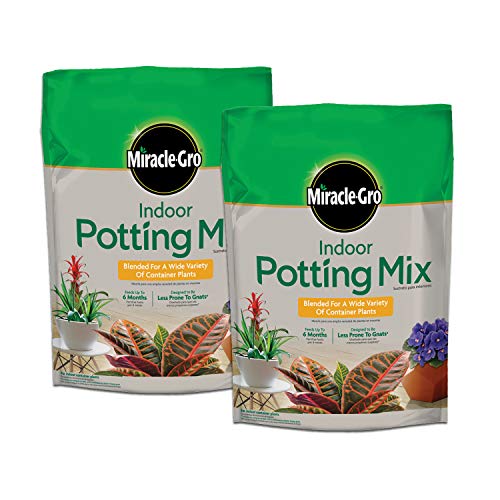
Miracle-Gro Indoor Potting Mix is blended for a wide variety of indoor container plants, making it a flexible choice for poinsettias and other houseplants. This two-pack provides enough material to fill several containers, depending on root ball size. The mix includes a quick-start fertilizer and is designed to keep plants fed for up to six months, supporting steady growth and better overall plant health in indoor environments.
For poinsettias, this mix can help establish a reliable root network before the holiday season. Regular checks for moisture levels and drainage are still essential, as poinsettias can respond to both under- and over-watering. Pairing this soil with a seasonally appropriate feeding regimen can help maintain vibrant foliage and bracts through the growing period.
Buying Guide: Soil For Poinsettias In Containers
- Drainage vs. moisture retention: Poinsettias prefer evenly moist but not waterlogged soil. Choose mixes with perlite, vermiculite, or components that promote drainage, along with organic matter to hold moisture without clogging pores.
- pH stability: Most poinsettias perform well in slightly acidic to neutral soil (pH around 5.5–6.5). Some blends include limestone or calcareous materials to stabilize pH, which helps nutrient availability.
- Nutrition timing: Consider whether you want immediate feeding (quick-release fertilizers) or longer-lasting nutrition. Organic blends tend to release nutrients slower, while synthetic mixes offer ready nutrients and longer feeding windows.
- Weight and stability: Heavier blends provide container stability for larger poinsettias. If you use tall or wide pots, a heavier substrate reduces tipping risk and root crowding.
- Pest considerations: Soil options marketed as less prone to gnats or designed for indoor use can reduce infestation risk, especially in homes with limited airflow or overwatering tendencies.
- Reusability and sustainability: OMRI-listed or organic blends may be preferred by gardeners seeking eco-friendly options. Consider whether you will reuse or repot the plant seasonally.
- Container compatibility: Match soil texture to your pot size and plant type. For poinsettias, medium-weight blends that support root growth without compacting are often ideal.