Best Wild Grass Seed Mixes for Pollinator Gardens and Lush Meadows
Explore top wild grass seed mixes designed to support pollinators, boost biodiversity, and create vibrant, carefree landscapes. This article highlights five seed blends that pair practical growth with ecological benefits, helping you establish healthy wildflower and grass areas across multiple climates. Each option offers varying seed counts, intended planting seasons, and coverage areas to match your garden’s size and sun exposure.
| Product | Brand |
|---|---|
| Wildflower Seeds Bulk – National Wildflower Seed Collection – Perennial Wildflowers Mix | Mountain Valley Seed Company |
| Hale Habitat Native Grass & Wildflower Refuge Mix | Hale Habitat & Seed |
| Pennington Smart Seed Dense Shade Grass Mix | Pennington |
| Ferry-Morse Flowering Grass Alternative Mix | Ferry Morse |
| 200,000+ Wildflower Seeds 16 Varieties Perennial Mix | PLANTMEW |
Note: The selections below emphasize mixes that support pollinators, combine grasses with flowering winners, and offer practical growing guidance for American lawns and gardens. Each entry includes a brief product overview, key features, and planting considerations to help you compare at a glance.
Wildflower Seeds Bulk – National Wildflower Collection

This 100,000+ heirloom wildflower seed mix contains 13 essential varieties designed to support monarch butterflies, pollinators, and hummingbirds. Notable inclusions include Butterfly Milkweed, Aster, Purple Coneflower, Rocket Larkspur, and Zinnia. The blend emphasizes drought and heat tolerance, thriving in full sun across USDA zones 1–10. Easy to grow, it is suitable for spring or fall sowing and aims to create a vibrant, attractant-rich garden space that complements butterfly and hummingbird habitats.
Hale Habitat Native Grass & Wildflower Refuge

This native grass and wildflower seed mix focuses on habitat creation for wildlife and pollinators. It comes in a 2.5-pound bag designed to plant roughly a quarter acre, providing a certified seed blend crafted to maximize growth and ecological value. The composition emphasizes a balance between grasses and flowering perennials to establish a naturalized habitat that supports diverse wildlife while adding texture and color to landscapes.
Pennington Smart Seed Dense Shade Grass Mix
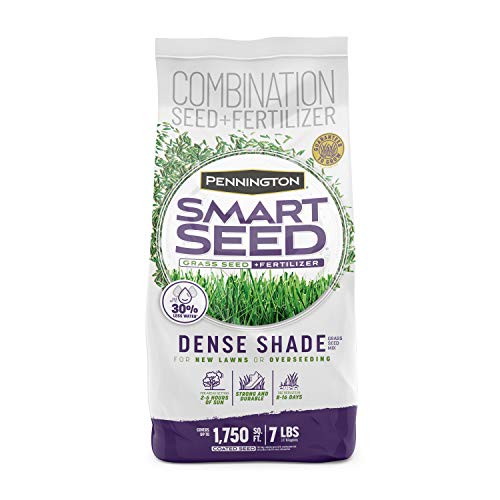
Designed for shady lawn areas, this mix combines Tall Fescue and Fine Fescue to deliver thick, green turf in low-light conditions. It includes a built-in fertilizer to support lawn health, helping establish a dense stand even where sunlight is limited. This option is ideal for property edge zones, under trees, or north-facing lawns where bare patches or thin growth are common challenges.
Ferry-Morse Flowering Grass Alternative Mix

This bulk 1-pound mix brings flowering alternatives suitable for wildflower gardens and meadow-style plantings. With an estimated 400,000–440,000 seeds and broad coverage (approximately 2,275 to 3,371 square feet at varying densities), the blend supports a spectrum of bloom times. It offers easy establishment for gardeners seeking colorful, pollinator-friendly borders or open meadow vibes without intensive maintenance.
200,000+ Wildflower Seeds — 16 Varieties Perennial Mix

This 4-ounce perennial mix features 16 USA-sourced heirloom varieties, including Purple Coneflower, Black-Eyed Susan, Blue Flax, and Shasta Daisy. The seed blend is designed for indoor or outdoor planting across USDA zones and emphasizes fast sprouting and high germination. It serves as a pollinator magnet, attracting bees, butterflies, and birds while enhancing biodiversity and seasonal color in pots, borders, or meadow settings.
Buying Guide
Key purchase considerations for wild grass and wildflower seed mixes:
- Pollinator focus: Look for blends that include nectar-rich flowering species known to attract monarchs, bees, butterflies, and hummingbirds, such as milkweed, coneflowers, asters, and zinnias.
- Climate and zone compatibility: Verify zone suitability and drought tolerance to ensure seeds establish in your local conditions (zonation ranges 1–10 are common in the United States).
- Seed density and coverage: Check seed counts and coverage estimates; larger counts often translate into fuller meadows, but consider your plot size and preferred density.
- Soil and light requirements: Some mixes perform best in full sun, while others tolerate partial shade or variable soil types. Consider your site’s sun exposure and soil quality.
- Growth cadence and maintenance: Assess whether the mix is designed for rapid establishment or longer-term meadow development, along with maintenance needs like mowing or soil amendment.
- Non-GMO and heirloom status: If biodiversity and local adaptation are priorities, prefer non-GMO and heirloom seed varieties when available.
- Cover and biodiversity balance: Some blends pair grasses with flowering perennials, while others emphasize dense wildflower stands. Choose based on whether you want a meadow look or a pollinator corridor.
- Planting timing: Spring and fall sowing are common; consider your climate’s frost dates and seasonal rains for optimal germination.
Bottom line: When selecting a wild grass seed mix, prioritize mixes that combine robust grasses with abundant, nectar-rich flowers, are suited to your climate, and align with your garden goals—whether that is a colorful border, a pollinator-friendly meadow, or a low-maintenance turf alternative.