Best Yellow Sweet Clover Seed for Covers, Forage, and Pollinators
Yellow sweet clover seed is a versatile choice for cover cropping, forage, and pollinator support. This guide highlights five top options suited for American growers, explains who each product is best for, and compares their strengths and limitations. Whether you’re rebuilding soil, feeding livestock, or boosting honey production, one of these seeds can fit your needs.
Overview of chosen products:
| Product | Use Case | Best For | Size |
|---|---|---|---|
| Outsidepride Yellow Sweet Clover Seed (40 lbs) | Cover crop, forage | Large-acre farms needing a resilient biennial | 40 lbs |
| Outsidepride Yellow Sweet Clover Seed (5 lbs) | Garden beds, small plots | Home gardens and raised beds | 5 lbs |
| Outsidepride Yellow Sweet Clover Seed (10 lbs) | Pasture mixes, green manure | Pastures and forage blends | 10 lbs |
| 14000 Yellow Sweet Clover Seeds 28 Grams | Pollinator-friendly plots | Pollinator and wildlife-friendly plantings | 28 g |
| OrOlam Yellow Sweet Clover Seed (10,000 seeds) | Wildlife habitat, forage plots | Wildlife-friendly cover crop | 10,000 seeds |
Outsidepride Yellow Sweet Clover Seed — 40 Lbs

Best for: Large-scale cover crops and forage programs. This biennial clover grows up to 48 inches, tolerates frost, drought, and cold winters, and fits diverse soil types (pH above 5.5 preferred). Its extensive root system improves soil aeration and Water infiltration, while fixing nitrogen to boost soil fertility. Selected for farmers needing a strong green manure and forage option in longer-term rotations.
Why chosen: Strong agronomic profile for soil improvement and multiple uses. Suitable for mix with grasses in pastures and haying systems. A caveat: the size and handling of a 40 lb bag may require suitable storage and equipment for large plots.
Outsidepride Yellow Sweet Clover Seed — 5 Lbs
Best for: Gardeners and small-scale operations seeking a practical seed size. This version shares the same climate tolerance and nitrogen-fixing benefits, ideal for non-acidic soils and raised beds. It supports green manure and improves soil structure when used in compacted soils.
Why chosen: Manageable bag size facilitates trial plots and smaller projects. Limitation: with small to mid-sized plots, overseeding can help ensure quick ground cover, especially in cooler or drier seasons.
Outsidepride Yellow Sweet Clover Seed — 10 Lbs

Best for: Mixed pasture and green manure systems. This size balances seed cost and coverage for medium to larger lawn, pasture, or forage seed mixes. It delivers the same nitrogen-fixing and soil health benefits as the larger bags, with easier handling for seasonal plantings.
Why chosen: Good middle-ground option for diverse applications. Caution: biennial crops may require planning for a second growing season for maximum yield.
14000 Yellow Sweet Clover Seeds 28 Grams
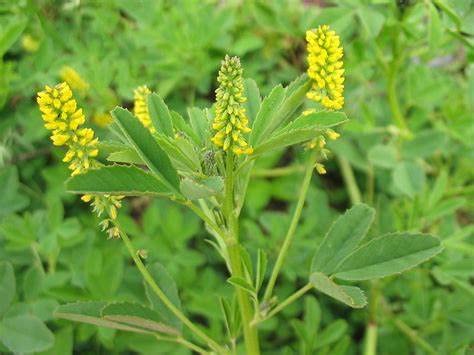
Best for: Pollinator-focused plantings and small pollinator plots. This micro-seed option can be used to seed smaller beds or test plots that support bees and butterflies. It offers the same benefits of soil improvement and nitrogen fixation in a compact package.
Why chosen: Lightweight quantity reduces risk for first-time growers. Limitation: seed quantity is small, so multiple lots may be needed to cover larger areas.
OrOlam Yellow Sweet Clover Seed — 10,000 Seed Pack

Best for: Wildlife-friendly cover crops and forage plots. The large seed count supports wildlife habitat improvements and honey production through pollinator support. It thrives in a wide range of soil conditions and helps build soil nitrogen.
Why chosen: Excellent for long-term wildlife and pollinator projects. Caution: seedling establishment may vary with moisture, so ensure adequate irrigation during establishment.
Buying Guide
What size should I buy?
Choose based on plot size and planned coverage. Larger farms benefit from 40 lb bags for cost efficiency; home gardeners and small plots do well with 5–10 lb options for trial planting and spring seeding.
Is yellow sweet clover biennial or perennial?
Most options in this guide are biennial, meaning they grow in two-season cycles. They can reseed in favorable conditions, adding long-term soil health benefits.
What soil and climate conditions are ideal?
Yellow sweet clover prefers non-acidic soils (pH above 5.5) and tolerates USDA Zones 4–10. It is frost-tolerant, drought-resistant, and winter-hardy, making it versatile for various regions.
What are the main benefits?
Key benefits include nitrogen fixation, improved soil structure, increased water infiltration, erosion control, and forage or forage-hay value. It also supports pollinators when flowering.
How should I sow and manage?
Follow sowing rate recommendations per acre or per square foot. For cover crop or green manure, integrate into existing mixes with grasses. Monitor moisture during establishment and provide irrigation if needed.
What are potential limitations?
Biennial growth means peak yield may occur over two seasons. Large bags require storage space. Some varieties may seed aggressively in certain climates, so plan for reseeding if needed.
FAQ
- What’s the best seed size for a backyard garden? A 5–10 lb option is usually best for small plots or raised beds.
- Do these seeds fix nitrogen? Yes, yellow sweet clover is nitrogen-fixing and can improve soil fertility.
- Will it attract pollinators? Yes, flowering clover supports bees and butterflies when allowed to bloom.
- Can I use it in a lawn mix? It can be used in lawn seed mixes as a green manure or forage component, but be aware it is not a traditional turf grass.
- Are there any cautions about establishment? Seed establishment can depend on moisture and soil pH; ensure proper seeding rates and moisture during germination.